



Five Industries Leveraging 3D Printing
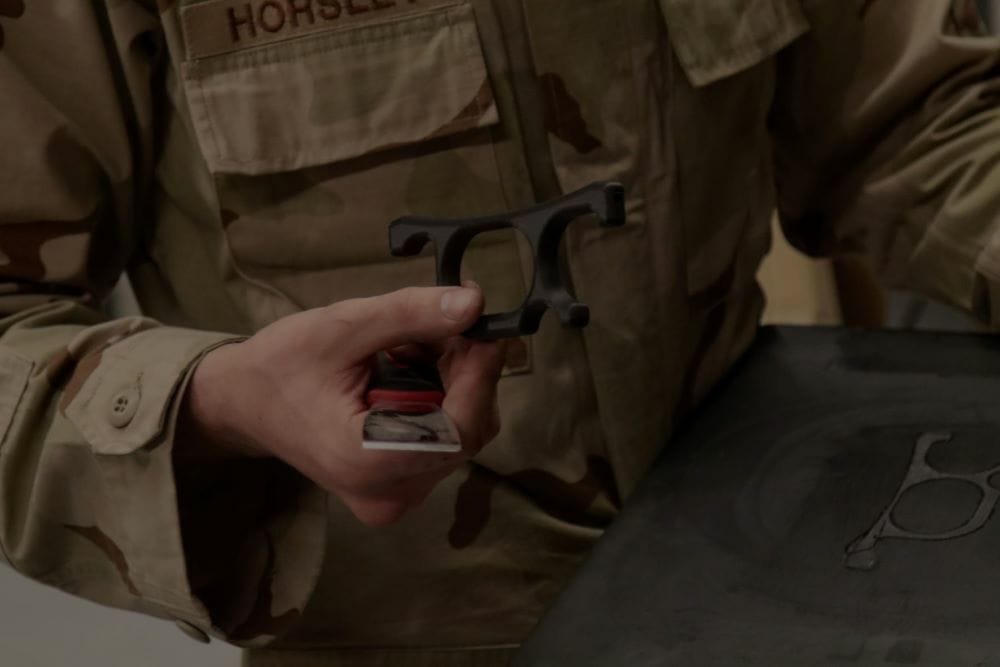
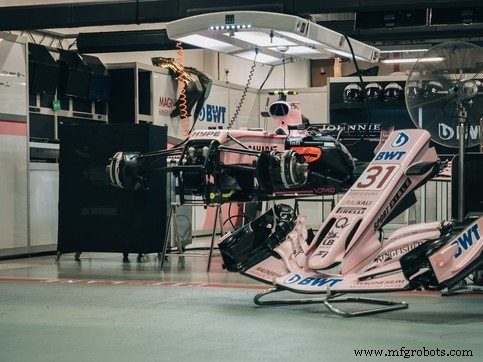
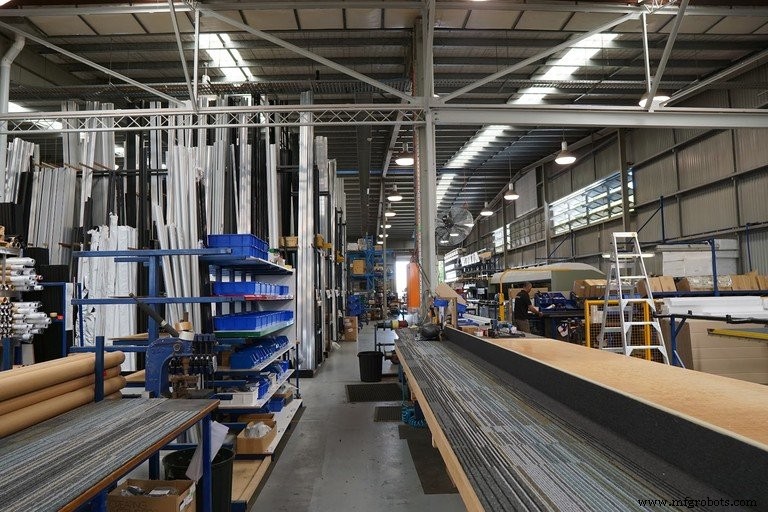
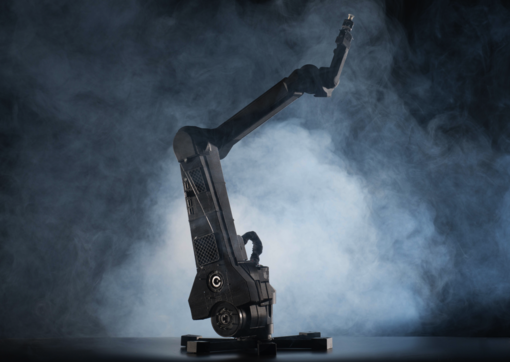
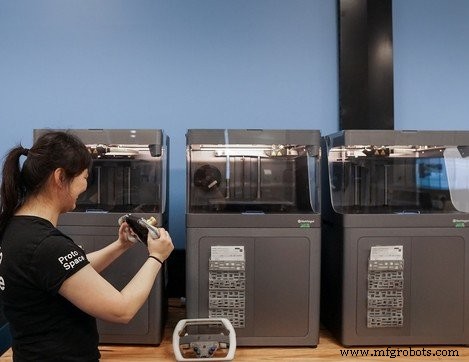
Additive manufacturing is reshaping many sectors. Here we spotlight the industries that reap the greatest benefits, illustrating how 3D printing is transforming production worldwide. The aerospace sector demands the highest standards of part performance. Components must endure extreme temperatures, chemical exposure, and repeated loading, all while remaining ultra‑light. A single failure can jeopardize an entire aircraft, so precision and reliability are paramount. Aerospace engineers increasingly employ 3D‑printed inspection tooling to cut costs on low‑volume, high‑precision parts. Read our newest customer success story about a major training base for the U.S. Army. Additive manufacturing is accelerating in the automotive industry. Leaders like Audi and countless OEMs, race‑car teams, and aftermarket suppliers use 3D printers. The true value lies not in printed parts that go directly into vehicles, but in the tooling and fixtures that streamline manufacturing. Automotive manufacturers commonly print stiff, durable fixtures, cradles, and prototypes. Some also print replacement parts for classic cars, ensuring long‑term serviceability. From jigs and fixtures to end‑of‑arm tooling, industrial 3D printers are revolutionizing traditional manufacturing. Companies can create custom, low‑volume tooling at a fraction of the conventional cost, freeing engineers to focus on revenue‑generating parts. Small firms enjoy the same advantages as global giants, improving efficiency and reducing downtime. For example, metal‑fabrication company Lean Machine adopts a design‑for‑additive‑manufacturing (DFAM) approach, saving over $4,000 per tool. Customizability and weight reduction are key drivers for robotics parts, aligning perfectly with 3D‑printing capabilities. Grippers, sensor mounts, and entire robot components can be fabricated with complex geometries at lower cost. Markforged 3D printers enable robotics firms to produce lightweight, high‑performance end‑of‑arm tooling and parts. Haddington Dynamics, for instance, used four printers to build robot arms for NASA and Google X, cutting costs by 58% compared to traditional methods. As 3D printing expands, educational institutions are integrating the technology into curricula and research. Professors use printers to create instructional tools, while PhD students employ them for experimental studies. Purdue University, for example, has committed to teaching students about emerging additive manufacturing materials and technologies. Want to test the strength of our parts? Request a free sample part or sign up for a demo!
Aerospace

U.S. Army Case Study
Automotive
Manufacturing
Robotics
Education
3D printing
- 5 Key Advantages of 3D Printing for Modern Manufacturing
- Industrial 3D Printing: Eight Ways It Revolutionizes Manufacturing
- Agile Manufacturing & 3D Printing: A Guide to Rapid, Custom Production
- How 3D Printing Is Revolutionizing Manufacturing: 3 Key Transformations
- 3D Printing: The Future of Manufacturing and Medicine
- Metal 3D Printing 101: How Additive Manufacturing Transforms Production
- Unlocking Innovation: The Key Advantages of 3D Printing in Modern Manufacturing
- Additive Manufacturing vs 3D Printing: Understanding the Difference
- How 3D Printing Will Transform Manufacturing in the Next Decade
- How 3D Printing is Revolutionizing Modern Manufacturing