



Nori Equipment Transforms Lighting Reflectors with 3D‑Printed, Fiber‑Reinforced Parts
It now seems virtually impossible to find an industry that 3D printing hasn’t touched. The film industry is no exception—designers and photographers are turning to 3D printers to create cameras, spool holders, and bespoke equipment. The technology saves time, cuts costs, and delivers lightweight, durable solutions.
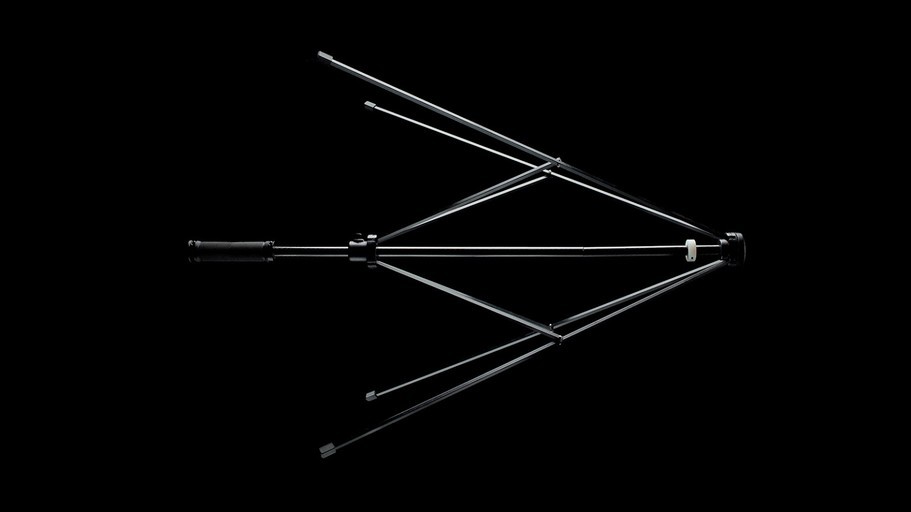
Founder Kevin C. W. Wong quickly saw the potential and began printing his flagship product, SquareBounce—a dual‑purpose lighting reflector that also protects gear from the elements. By moving production into 3D, he slashed build times and reduced material waste.
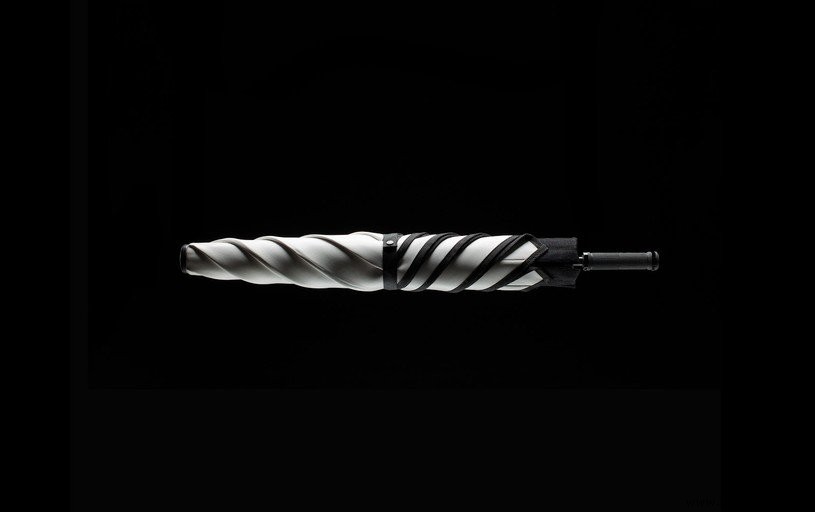
However, early iterations were limited by the materials available, producing parts that lacked the strength and weather‑resistance required for on‑set use. Wong turned to Markforged, drawn in by its CADMicro integration and fiber‑reinforced offerings.
"Initially we were only using 3D printers for prototypes and molds," Wong explained. "Markforged’s fiber‑reinforced parts come out of the print bed with a smooth, high‑grade surface finish—an absolute game changer."
He purchased two Markforged Onyx Pro printers and re‑engineered SquareBounce to exploit the material’s full potential. Onyx delivers high strength, color accuracy, and mechanical precision directly from the print bed.
Request a free sample part
Onyx’s high‑strength polymer and sleek surface finish mean parts can be used as finished products without post‑processing. Unlike other materials, Onyx does not require chemical baths, sanding, or dyeing to hide internal honeycombs—your part is ready to go straight from the printer.
Beyond the material, Wong praises Markforged’s user‑friendly software, Eiger. The platform allows print pauses, material reloads, and real‑time monitoring, preventing waste when a build is interrupted.
"With Eiger, we can pause and resume prints, reload material, and inspect details," Wong noted. "This saves us time and material—nothing is wasted."
Get a free demo
Nori Equipment eliminated mold making, resin casting, and CNC machining from its workflow, cutting the cost per reflector by 4.6×. Production time dropped from 10 days to just 1 day, and each part weighs 30‑40% less—critical for professionals who must lug gear around the set.
Speedier turnaround also improved customer engagement. "We can innovate and respond to feedback faster than with traditional manufacturing," Wong said. "As a small company, this agility keeps us close to our customers’ needs."
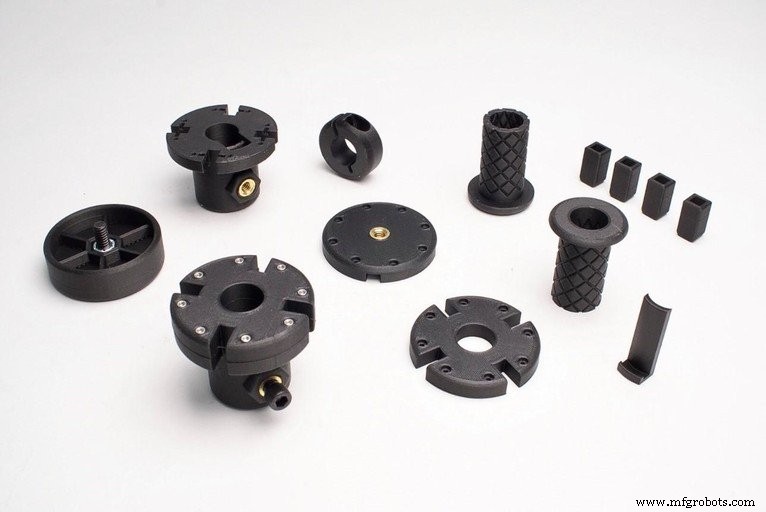
Looking ahead, Wong is exploring 3D‑printed jigs and fixtures to further streamline his production line.
"With 3D printers, I can leave the shop and go to bed knowing parts are being created and money is being made while I sleep," Wong smiled. "How awesome is that?"
3D printing
- Webinar: Build Stronger 3D Parts with Eiger Software
- 3D‑Printed Drone Enables Rapid, Cost‑Effective Data Collection in Antarctica
- Nori Equipment Transforms Lighting Reflectors with 3D‑Printed, Fiber‑Reinforced Parts
- Enhancing Parts with 3D Printed Lattice Structures
- Understanding the Dimensional Accuracy of 3D Printed Parts
- Selecting the Right Machine Parts Supplier: A Practical Guide for Construction Projects
- Are 3D Printed Parts Really Strong?
- Enhancing the Strength of 3D Printed Parts: Proven Techniques
- Calculating SLS 3D Printing Costs: A Step-by-Step Guide for Sinterit Lisa & Lisa Pro
- Professional Guide: Dyeing 3D Printed Polyamide Parts for Vibrant Color and Durability