



Understanding Low-Pressure Transducers: Function, Design, and Applications
A pressure transducer is a measuring device which converts an applied pressure into an electrical signal. Generally, a pressure transducer consists of two parts, an elastic material that deforms under the application of pressure and an electrical part that detects this deformation. Depending on the range of pressures to be measured the elastic material is given different shapes and sizes, such as bourdon tube, piston, diaphragm, and bellows. The most common among them is the diaphragm. Low-pressure measurement is used in such applications as: Growing interest in the market addresses material inside of pressure transducers: It is our sense that market pressure will eventually make both mercury and NaK unacceptable among customers of those making products with equipment utilizing these sensors. Looking For Industrial Automation Parts? We Can Help!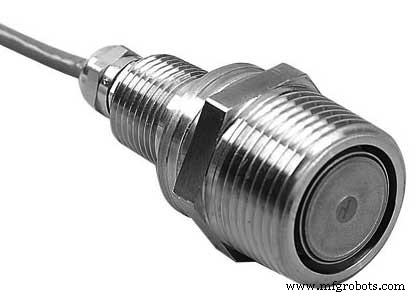
How Low Pressure Transducers Work
Three different types of electrical devices can be attached to this elastic material to make pressure transducers. These include resistive, capacitive, and inductive types.
Low Pressure Measurement
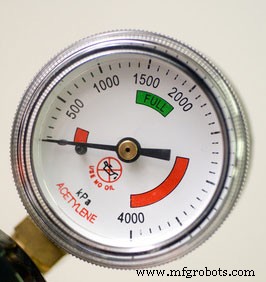 Among the different pressure, transducers discussed the Bourdon gauge, piezoresistive diaphragm gauge, and the capacitance diaphragm gauge are suitable for measuring low vacuum pressures. Bourdon gauge can measure roughly in the range of 0–1000 mbar, while diaphragm gauges can measure in the range of 0.1–1000 mbar.
For very low pressures, there are other types of transducers available, which are based on other principles. These include Pirani gauge, thermocouple, and ionization gauge.
The first two techniques are based on the rate at which heat is lost from a heated filament placed in the low-pressure environment. This heat loss is depended on the number of gas molecules per unit volume.
Current versus Pressure Relationship is Linear
Give us a call at 800-844-8405 for more information on pressure transducers.
Automation Control System
- How Casters Work: From Early Designs to Omni‑Directional Innovation
- Precision Pressure Gauges for Industrial & Safety Applications
- Inside NASCAR Engines: Design, Power, and Training
- How Control Valves Operate: A Technical Overview
- How SCADA Systems Operate: Monitoring and Controlling Industrial Processes
- How Air Dryers Work: Keeping Compressed Air Clean & Efficient
- Automation: The Key to a Stress‑Free Financial Close
- Detecting and Preventing Pressure Gauge Failures: A Practical Guide
- How Pressure Gauges Work: Types, Functions, and Benefits
- How an Oil Pressure Gauge Works: Protecting Your Engine