



Rubber Duck Antennas: Design, Efficiency, and Electrical Performance Explained
Rubber duck antenna
Image source: Wikimedia Commons
Do you need a convenient and portable antenna that is a great addition to your radio communications kit? Then, what you need are rubber duck antennas.
These device antennas are the best option if you need one that works seamlessly over a short distance. This article will discuss the rubber duck antenna, the electrical design, efficiency, and more.
Keep reading to find out if you need this device for your project.
What Is a Rubber Duck Antenna?
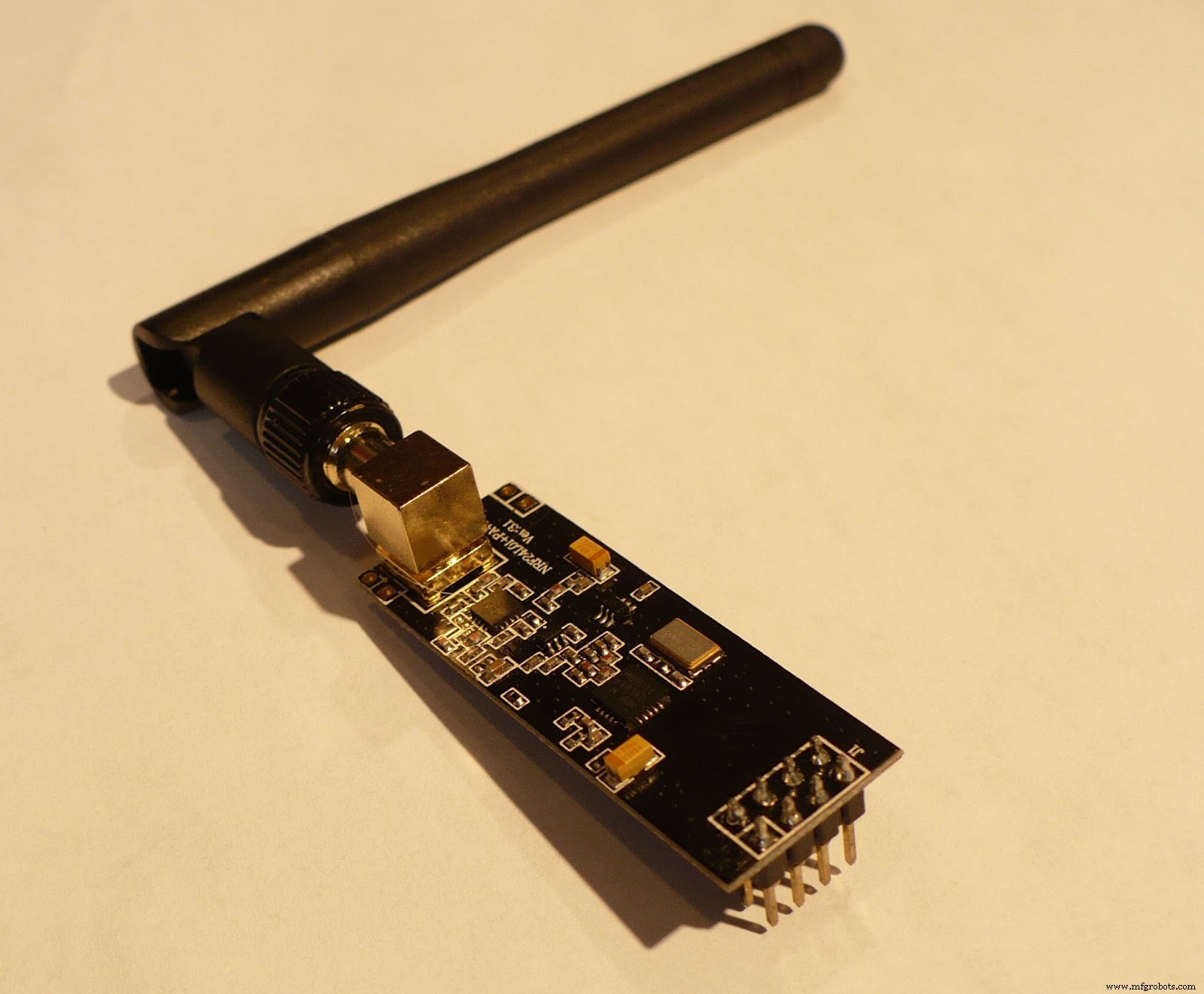
A rubber duck antenna is a short device that works as a monopole antenna. Also, these devices have a one-quarter wavelength element. As a result, you can use the linear antenna in portable equipment.
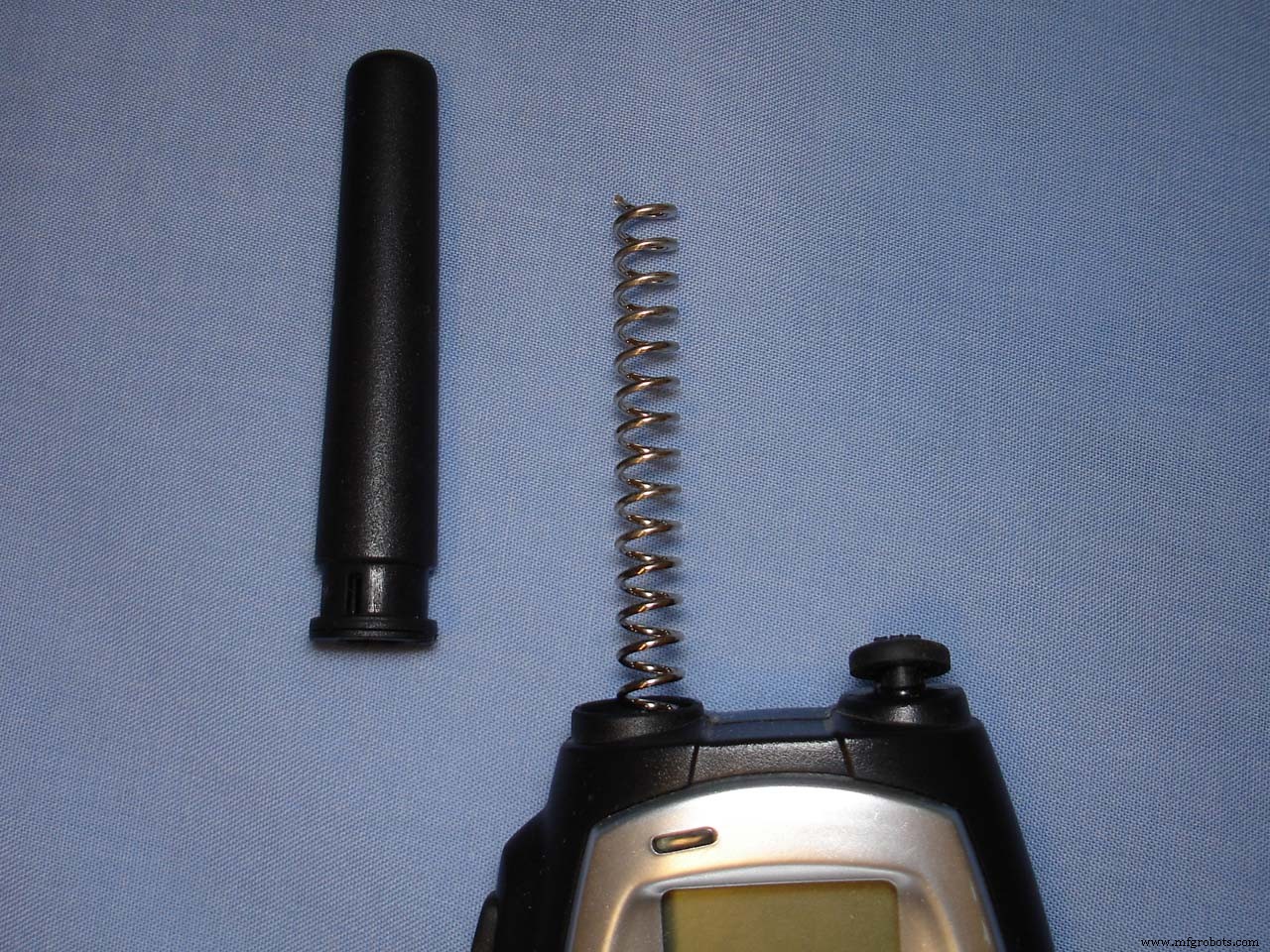
This electrically short quarter-wave antenna has a reasonable capacitive reactance. Hence, you can use it to offer an imprecise impedance match. But first, you have to connect the antenna in series with an inductor. In short, the rubber ducky antennas are devices with the original spring antenna confined in a rubber-like covering.
What Types of Rubber Duck Antennas are Available?
There are various materials, shapes, and sizes for modern rubber ducky antennas. So, before you choose one that suits your project, it’s crucial to consider the following types:
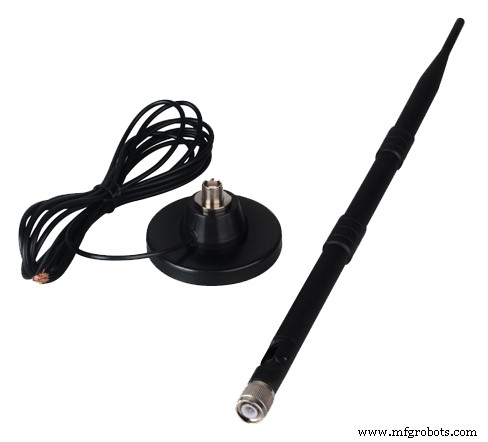
- Wire-clamp antennas
Wire clamp with rubber duck antenna
Image source: Pixabay
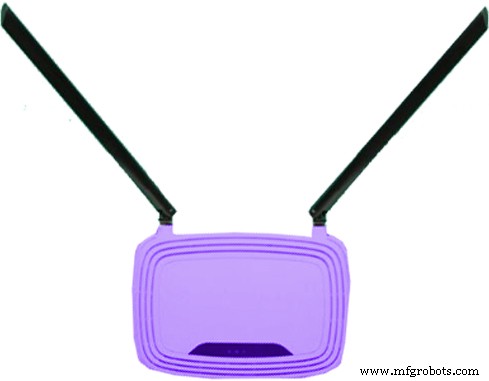
- Fixed-position antennas
Fixed position rubber duck antennas
Image source: Pixlr
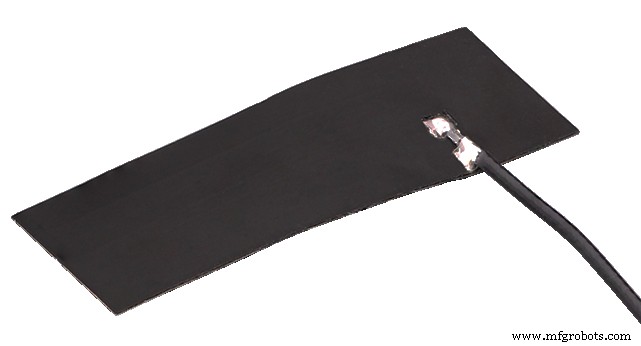
- Flexible antennas
Flexible antenna
Image source: Wikimedia Commons
If you’re looking for a linear element antenna with high efficiency when you mount it in open areas, wire clamps are the best bet. But if you prefer an ideal antenna that you can pack in tight spaces or move around, consider the flexible variants. Further, the fixed-position antenna is the way to go if you need to place a linear antenna at a particular location or height.
What’s the Efficiency of the Duck Antenna?
Typically the rubber ducky antenna’s wavelength is significantly larger than the length. So, the estimate of the antenna’s effective aperture is –

Interestingly, you can compare the effective aperture of rubber ducky antennas irrespective of their small size. Additionally, the monopole antenna usually must complete its electrical circuit with an opposing force or ground plane. The older versions feature portable transceivers because the ground plane is usually a minute internal shield or internal battery jacket.
But if you go for the modern rubber ducky antennas, you’ll notice that their transceiver cases are non-conductive plastics. So, it means that the antenna will have less efficiency. And that’s because the device lacks the conductive path that offers a counterpoise or ground plane.
Hence, these antennas will function better. To boost the functionality of your antenna, ensure that it works at an operating frequency close to the electrical resonance. That way, you can express frequency as –

The Electrical Design of The Rubber Ducky Antenna
Even though rubber ducky antennas have a decent performance, you can’t compare their aperture to larger antennas. Also, the real antenna current distribution isn’t sinusoidal. Therefore, it’s hard to classify the current distribution. But you can design these antennas with the rules below:
- First, if the spring coils have a larger diameter than the array length, ensure that your antenna has a narrow bandwidth.
- Second, your resulting antenna should have the largest possible bandwidth if the spring coils are narrow compared to the array’s length.
- Third, your impedance should be far below 50Ω if the original spring antenna is wide and pulsating. That is, the impedance should head to 0Ω. And a large inductor should be part of the structure.

Inductor symbol
Image source: Free SVG
Then, the setup will look like a series-tuned circuit with small radiation resistance.
- Fourth, increase your impedance towards 70Ω if your spring is narrow and the antenna is resonant.
With these rules in mind, you can easily design a linear element antenna with a compromised bandwidth at the feed point and an impedance of 50Ω. Also, a few compromises apply to rubber ducky antennas on cell phone tapers.
Rubber duck on cell phone
Image source: Wikimedia Commons
Disadvantages of The Rubber Duck Antenna
- It tends to have less gain because of losses.
- The antenna requires a parabolic reflector to boost its performance.
- The current distribution is not sinusoidal. Hence, it’s hard to classify the antenna electrically.
What is the Difference Between a Rubber Duck and a Whip Antenna?
Here’s a list showing the differences between a rubber duck and a base-loaded whip antenna.
| S/N | Features | Rubber duck antenna | Whip antenna |
| 1. | Build Design | As the name implies, they are usually covered with a rubber coating that houses a spring wire with a helix shape. | This antenna type is a flexible straight iron rod linked to a radio receiver or transmitter. |
| 2. | Directivity | The rubber duck has a lesser direction-sensitive antenna. | The regular quarter-wavelength whip antenna has a more critical directivity than the rubber duck antennas. |
| 3. | Angle range | For a vertical field, a rubber duck antenna has a measurement of 30 to 30 degrees up, while the horizontal is 60 to 60 degrees down. | The quarter-wave whip antennas have 60 to 90 degrees doubling as its best vertical and horizontal angles. |
| 4. | Plane positioning | Aiming a rubber duck antenna at a plane is exemplary. | But it’s bad to point a regular whip antenna to a plane. |
FAQs
Is the rubber duck antenna good?
Yes, a rubber duck antenna produces a decent gain. But it offers a lesser gain than a regular whip antenna.
Is a rubber ducky antenna a dipole?
No, the rubber ducky antenna isn’t a dipole. Instead, it’s a short monopole antenna.
What is the gain of a rubber duck antenna?
The nominal gain for the rubber duck antenna is 2.2dB.
The Bottom Line
The rubber duck antenna is more affordable than most in its category, especially the regular whip antenna. So, it’s not such a surprise that most engineers prefer them.
Aside from a narrow bandwidth, the rubber duck antenna comes with a high Q factor, a feature common among most short monopoles’ antennas.
So, let us know what you think about the article. Also, feel free to send us a message if you have any questions to ask. We look forward to hearing from you!
Industrial Technology
- Design Electrical Panels Efficiently with E3.panel: Fast, Accurate, and Smart
- E3.Schematic: Accelerate Electrical Diagram Design with Intelligent, Error‑Free Solutions
- Why Modern Electrical Projects Need CAE Software—Moving Beyond Legacy CAD
- A Comprehensive Overview of the Evolution of Electrical Design
- Choosing the Best Sealant: Polyurethane, Silicone, or Rubber? A Clear Guide
- Eagle vs Altium: Feature Comparison & Key Differences for PCB Designers
- Mastering Solder Mask Design: 6 Essential Steps for Long-Lasting PCBs
- NFC Antennas Explained: How They Work and Why They Matter
- Boost CNC Machining Accuracy & Efficiency: 4 Proven Strategies
- Understanding the Distinct Roles of Shop Drawings vs. Design Drawings in Structural Steel Projects