



Precision Press Tooling for Reliable, High‑Quality Manufacturing
Precision Press Tooling for Reliable, High‑Quality Manufacturing
September 26, 2025
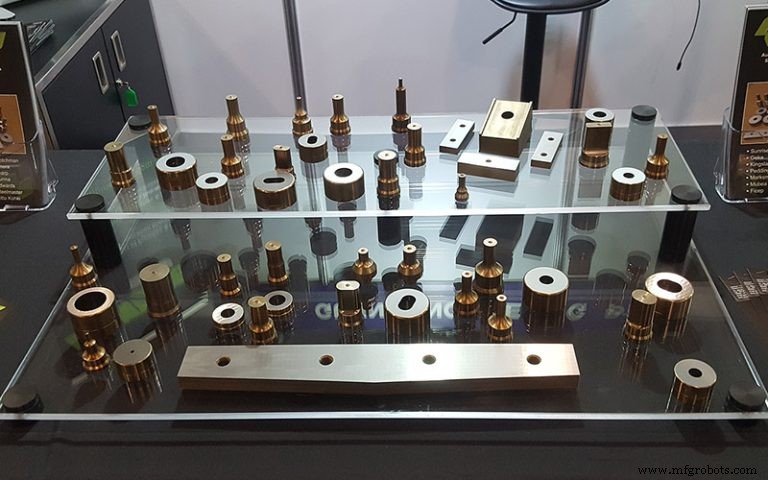
Get high‑quality press tooling components from Gunna Engineering in Melbourne, engineered for consistency, precision, and long‑term success.
Press tooling components are precision‑manufactured parts that shape, cut, and form materials across a range of industrial processes. Designed for accuracy and durability, they guarantee that every production cycle meets the same high standard. At Gunna Engineering, we focus on reliability so our clients enjoy consistent, high‑quality output.
The Role of Press Tooling in Modern Manufacturing
Press tooling is essential for stamping, forming, and assembly, driving efficiency on today’s production lines. Precision‑engineered components deliver consistent performance while meeting stringent industry specifications. From automotive to aerospace and electronics, these tools provide the accuracy required for high‑volume, high‑performance manufacturing.
As highlighted in a recent IRJET study on the design and fabrication of multiple press tools for sheet‑metal operations, intelligent material‑selection tools that analyze part geometry and material properties can dramatically improve tool performance and extend lifespan. This approach aligns with our use of durable, wear‑resistant steels and specialized alloys, which minimize wear and ensure long service life.
Types of Metal Stamping Tooling
Durable, precision‑engineered stamping parts are vital for achieving consistent results in high‑volume production. Made from wear‑resistant steels or specialized alloys and finished to reduce friction, these assemblies deliver optimal performance, lower wear, and extended life.
Common stamping components include:
- Punches: The male element that presses into the material to cut or shape it with precision.
- Dies: The matching female element that receives the punch to form or cut the material.
- Die Blocks: The main structure of the die, securely holding the critical cutting or forming edges.
- Stripper Plates: Designed to remove material cleanly from the punch after each operation.
- Guide Pins & Bushings: Maintain perfect alignment between punch and die during every cycle.
Advanced Manufacturing Techniques for Consistency
Achieving repeatable, high‑quality results requires advanced processes:
- CNC Machining & EDM: Deliver intricate geometries with unmatched precision, enabling complex designs to meet exact specifications.
- Heat Treatment: Enhances hardness and wear resistance, ensuring tooling endures continuous production.
- CAD/CAM Integration: Guarantees precise design‑to‑production alignment, reducing human error and boosting efficiency.
Benefits of Consistent, High‑Quality Metal Stamping Tooling
Investing in top‑tier stamping tooling reduces downtime and maintenance costs, as longer‑lasting parts require fewer repairs or replacements. This reliability boosts production efficiency, enabling faster turnaround times and minimizing costly interruptions.
Well‑manufactured tooling also improves workplace safety by lowering the risk of mechanical failures and ensuring dependable performance. Together, these advantages streamline operations and reinforce a reputation for delivering quality products on time.
Gunna Engineering – Your Partner for Premium Press Tooling
Gunna Engineering specializes in precision press tooling components—including punches, dies, and blades—for reliable, high‑performance manufacturing. With stringent quality control and advanced processes, we deliver durable parts that meet the most demanding industrial standards.
Contact us today to secure premium tooling that keeps your operations running efficiently.
Related Blog Article: Australian‑Made Tool Steels for Punches, Dies & Blades – Built for Industries That Demand Quality
Optimized by: Netwizard SEO
Manufacturing process
- Build an Arduino‑Powered Automatic Door with Ultrasonic Sensor
- Seamlessly Control Arduino Uno via ESP8266 WiFi Module and Blynk App
- Bluetooth‑Controlled Obstacle‑Avoidance Robot: Build a Smart, Remote‑Operated Vehicle
- Realtime ECG Display on OLED with Arduino UNO
- Pita Bread: From Ancient Origins to Modern Manufacturing
- Grind Mode in Welding Helmets: How It Enhances Safety and Efficiency
- Building an Arduino LIDAR System with VL6180X and Servo Motor
- Arduino-Driven 6-Shooter Drink Mixing Station – Build Your Own Cocktail Automator
- Automated Soldering Robotic Arm: Precision, Speed, and DIY Build Guide
- Business Jet: Evolution, Materials, and Manufacturing Process