


Industrial manufacturing
Manufacturing process

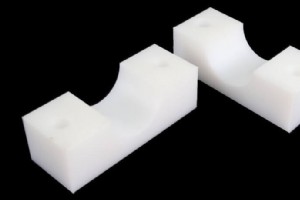
Choosing the right plastic material for CNC machining is essential for achieving the desired balance of performance, precision, durability, and cost. Two of the most common engineering plastics used in CNC machining are HDPE (High-Density Polyethylene) and Delrin (Acetal, POM). While they may loo
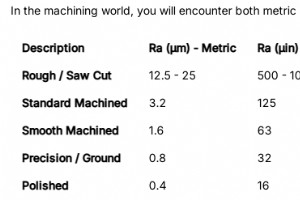
In CNC machining, the quality of a component’s surface is just as important as its dimensional accuracy. Engineers often use the terms surface roughness and surface finish interchangeably, but the two concepts are not the same. Each describes a different aspect of the material surface, and unders
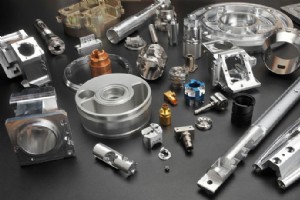
From the outside, large machining companies often appear to be the safest choice. They have impressive facilities, extensive equipment lists, standardized systems, and recognizable brand names. However, in real sourcing and engineering practice, many purchasers and engineers find themselves repea
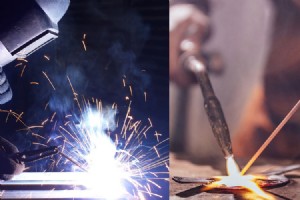
Joining metal components is a fundamental process in manufacturing and fabrication. Among the many joining methods available, welding and soldering are two of the most commonly used techniques. Although both are used to bond metal parts, they differ significantly in terms of process temperature,
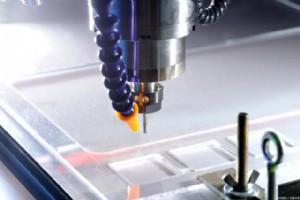
Selecting the right material hardness is a critical decision in CNC machining. Hardness directly affects machinability, tool life, surface finish, dimensional accuracy, and the final performance of the part. Choosing a material that is too hard can increase machining difficulty and cost, while se
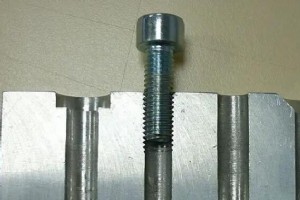
Blind holes are one of the most common yet challenging features in machined components. Unlike through holes, blind holes do not pass completely through the material, which makes their design, machining, and inspection more demanding. Improper blind hole specifications can lead to tool breakage,
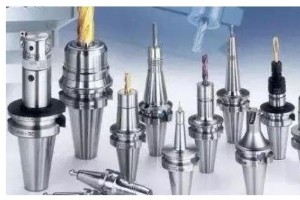
Precision machining demands far more than advanced CNC equipment and skilled operators. Behind every high-accuracy machined component lies a carefully engineered tooling system that ensures stability, repeatability, and process control. Tooling design services play a critical role in translating
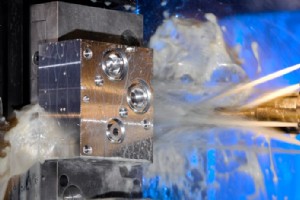
CNC milling and laser cutting are two widely used manufacturing processes, each offering distinct advantages depending on part geometry, material type, and functional requirements. While both methods support precision manufacturing, they differ significantly in working principles, capabilities, a
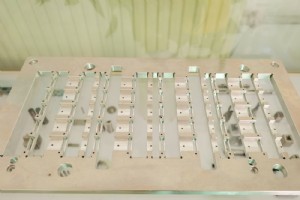
Built-up edge (BUE) is one of the most common machining issues encountered when cutting aluminum alloys. Although aluminum is generally considered easy to machine, its tendency to adhere to cutting tools under certain conditions can lead to unstable cutting behavior, poor surface finish, and prem
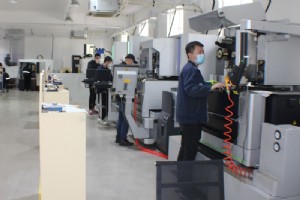
When sourcing CNC machining services, many buyers instinctively gravitate toward large machining companies. Large facilities, extensive equipment lists, and well-known brand names often create a sense of security. However, in practical manufacturing scenarios—especially for custom parts, low-to-m
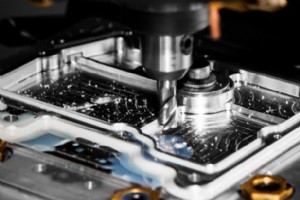
As manufacturing requirements continue to evolve, high-performance metal components are playing an increasingly critical role across industries such as aerospace, automotive, medical devices, energy, and industrial equipment. These components are often required to operate under extreme mechanical
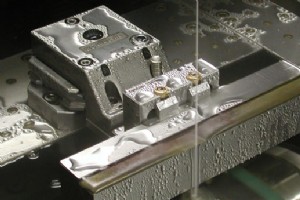
Wire Electrical Discharge Machining (Wire EDM) is widely recognized for its ability to produce complex geometries, sharp internal corners, and high-precision features that are difficult or impossible to achieve with conventional machining. However, successful Wire EDM processing depends on more t
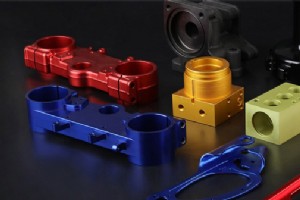
Aluminum is widely used in CNC machining due to its excellent machinability, lightweight nature, and favorable strength-to-weight ratio. However, while aluminum performs well structurally, untreated aluminum surfaces are often not sufficient for long-term use in demanding environments. This is wh
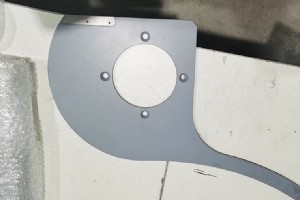
In modern machining environments, automation fixtures play a critical role in stabilizing workpieces, improving throughput, and ensuring repeatable precision. However, as production demands grow and processes become more complex, conventional fixture surfaces can become a limiting factor. One hig
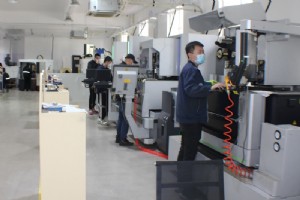
In today’s fast-moving manufacturing landscape, scalability has become one of the most important criteria when selecting a machining partner. Beyond price and technical capability, manufacturers and procurement teams increasingly look for partners who can grow with their needs—handling everything
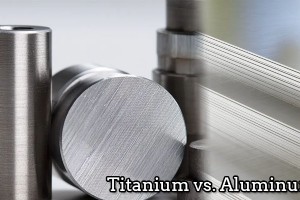
When designing or sourcing precision machined components, material selection is one of the most critical decisions. Among the most commonly compared metals, titanium and aluminum often come up as top contenders. Both materials offer excellent performance, but they serve very different purposes de
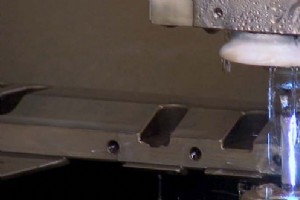
In modern manufacturing, time and cost efficiency are just as critical as part accuracy. As component designs become more complex and tolerance requirements tighten, traditional machining methods are not always the most practical solution. Precision EDM (Electrical Discharge Machining) has emerge
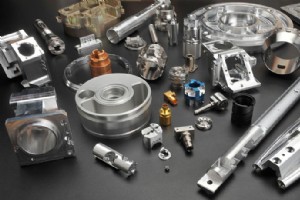
In modern manufacturing and engineering, very few metal components are made from pure metals. Instead, most industrial parts are produced using alloys—materials engineered to deliver enhanced mechanical, chemical, and physical performance. Understanding what an alloy is, along with its types and
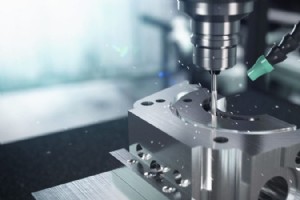
In today’s competitive manufacturing environment, speed and precision are no longer optional—they are essential. Companies that can move from concept to market faster gain a significant advantage, whether they operate in aerospace, automotive, medical, or industrial equipment sectors. This is whe
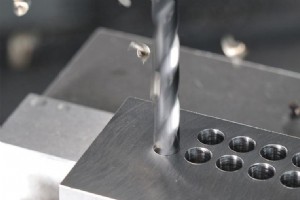
Hole machining is one of the most common operations in CNC manufacturing. From simple mounting holes to precision fluid channels, holes exist in almost every machined component. While drilling may appear straightforward, not all holes are created equal. Certain hole types present significant chal
Manufacturing process

Smart IR-Activated Water Tap Controlled by Arduino UNO – Efficient & Eco-Friendly
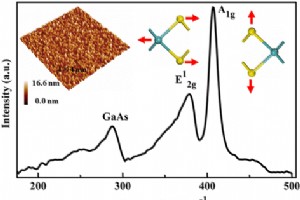
Exceptional Lateral Photovoltaic Response in MoS₂/GaAs Heterojunctions for Ultra‑Sensitive Position Detection
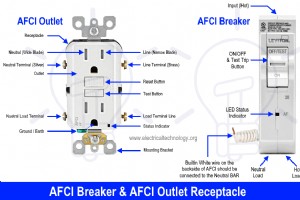
Installing an AFCI Breaker: Complete Wiring Guide for Single‑Phase Systems
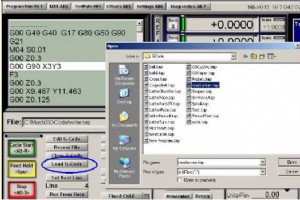
Loading G-Code Part Programs in Mach3: A Step-by-Step Guide
