



Ferrybridge Power Station Adopts FTIR for Rapid, Accurate Lubricant Moisture Testing
In high‑value power stations, the integrity of lubricating oils is paramount for efficient and cost‑effective operation. Excess water in oil can strip essential antioxidants, accelerate oxidation, and degrade performance. Historically, Karl Fischer (KF) titrations have been the benchmark for measuring water content, yet this method is time‑consuming, reagent‑heavy, and can be less reliable under certain conditions. Three years ago, Ferrybridge replaced KF with Fourier Transform Infrared (FTIR) spectroscopy, achieving faster, cleaner, and equally accurate moisture assessments.
Lubrication monitoring at Ferrybridge
Ferrybridge C Power Station is a 2,000‑MW coal and biomass co‑firing plant in West Yorkshire, England. Its four massive steam turbines and primary feed pumps generate power for 2 million homes—about 4 % of the UK’s daily electricity supply. Each turbine shaft, extending over 170 ft and weighing thousands of tonnes, is supported by 12 bearings that rely on mineral oil. This oil also acts as the control fluid for turbine governors and steam admission valves, making its condition critical. Because moisture levels fluctuate with environment and load, operators need immediate, reliable data.
Measuring water in lubricating fluids via FTIR analysis
At Ferrybridge, we use A2 Technologies’ iPAL FTIR analyzer paired with a TumblIR transmission cell (Figure 1). An operator deposits a single drop of neat, used oil on the lower TumblIR window; a gimbal‑mounted window then creates a precise 100‑µm gap for analysis. The pre‑calibrated method automatically collects, processes, and reports data. The iPAL system can detect water down to 200 ppm without sample prep, and A2’s surfactant protocol extends this to 65 ppm.
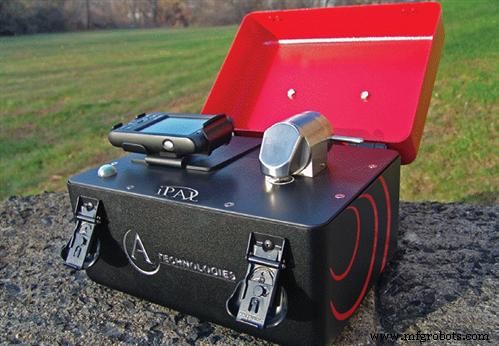
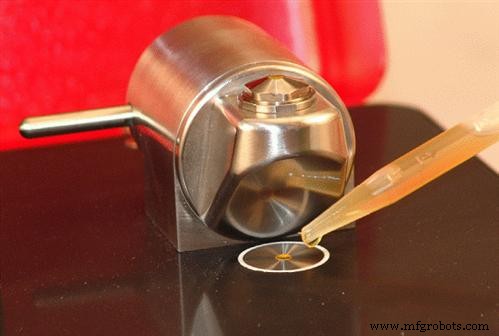
Figure 1. A2 Technologies’ iPAL FTIR analyser in operation at Ferrybridge.
Comparative tests between iPAL and KF confirmed strong correlation, with FTIR delivering faster repeat measurements—critical for trend monitoring. Because KF results can be biased by sample volume and oil‑water immiscibility, both methods are repeated, but FTIR’s rapidity makes routine sampling practical. Over time, we have largely phased out KF in favour of FTIR.
When moisture exceeds specifications, corrective measures are taken: (1) adjusting turbine gland steam pressure during lower loads, and (2) deploying mechanical separators to remove water from the main oil tank. The iPAL system also tracks the effectiveness of these interventions.
The advantages of FTIR for lubrication monitoring
- Speed
- Measurement time: 3–5 minutes from sample to result.
- Moisture level does not affect analysis time—unlike KF, where high‑moisture samples can take 5–30 minutes.
- No reagents
- Only a drop of oil is required.
- Eliminates costly, toxic reagents (iodine, sulfur dioxide, methanol, pyridine or imidazole) used in KF.
- Ease of use
- Fully automated protocol allows less‑skilled staff to obtain accurate results.
- KF demands skilled technicians and extensive maintenance.
- Rapid training
- Standard iPAL method trains technicians in minutes.
- KF requires half‑day training for safe reagent handling and equipment upkeep.
- Analytical accuracy
- FTIR matches or surpasses KF, especially at high moisture levels.
- Detection down to 200 ppm (or 65 ppm with surfactant). No pre‑treatment needed.
- Multi‑analyte capability
- In addition to water, iPAL assesses additive depletion, oxidation state, and oil‑in‑water for discharge.
- Real‑time, on‑site results
- Immediate data enables instant corrective action, bypassing delays from off‑site labs.
- Lab result validation
- On‑site FTIR data corroborates, or challenges, off‑site lab results, ensuring confidence in monitoring.
Conclusion
Ferrybridge’s proactive, on‑site lubrication program now hinges on the iPAL FTIR analyzer. Its rapid, reagent‑free, and highly accurate water measurement—paired with multi‑analyte capabilities—empowers operators to maintain oil quality in real time, enhancing reliability and extending equipment life. The success at Ferrybridge is driving broader adoption of FTIR across our portfolio.
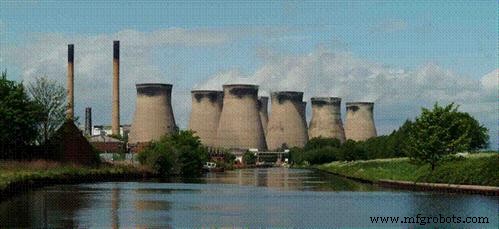
Figure 2. Ferrybridge C Power Station
Equipment Maintenance and Repair
- Lubricating Oil: Types, Uses, and Performance
- Energizer Battery Plant: Integrating Lean and Reliability to Drive Efficiency and Performance
- Case Study: Honda Lincoln Plant – Engineering Excellence & Reliability
- Alcoa Warrick Power Plant: From Reliability Crisis to $440M Capital Success
- Worthington Industries: Zero Injuries, Zero Harm – The Delta Plant’s Safety Excellence
- Kauai’s Wainiha Hydropower Plant Boosts Efficiency & Reliability with GE Digital Controls
- GE Deploys Advanced Mark VIe Control System at Saudi Electricity Company's 2,000‑MW PP10 Power Plant
- GE’s Wireless Vibration Sensors Boost Reliability at NV Energy’s Ft. Churchill Plant
- Real‑Time Oil Quality Monitoring with SenGenuity ViSmart Viscosity Sensor for Power Generation Equipment
- ABB’s Medium‑Voltage Drives Cut Pump Energy Use by 25% at German Coal Plant