



Mastering Reliability: 7 Proven Steps to Safeguard Your Manufacturing Operations
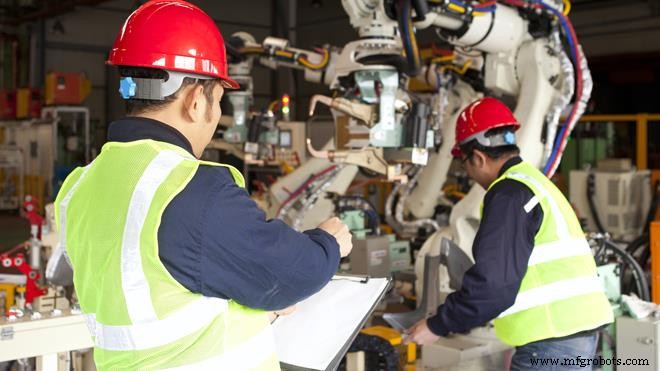
Modern manufacturing plants are intricate ecosystems where a single component can perform multiple roles. In some contexts, a failure may be benign, while in others it can trigger a catastrophic shutdown, costing valuable time and capital. To keep production running flawlessly, organizations must view reliability not as a static attribute but as an ongoing journey that demands expertise, data‑driven analysis, and proactive action.
Reliability hinges on identifying and eliminating defects—anything from a single gear tooth that has worn out to an entire line that can’t meet demand. Effective defect management requires tracing problems back to their root causes, whether they stem from wear, design flaws, improper manufacturing, contamination, or inadequate maintenance. A dormant defect can surface only when the system is pushed beyond its normal limits.
Understanding the failure mechanisms and their impact on the plant is essential. A pump impeller’s failure has different origins and consequences than a motor bearing’s failure. By mapping out how a failure propagates through the system, you can design targeted mitigation strategies that address the most critical vulnerabilities.
Mitigation tasks—whether routine maintenance, real‑time monitoring, or process redesign—are deliberate interventions that balance cost against benefit. They are not automatic; they result from a rigorous analysis conducted by seasoned experts who weigh the potential impact of a failure against the expense of preventive action.
Once high‑consequence risks are identified, robust systems must be built to contain or eliminate their impact. These systems must remain active, and the analysis should be repeated regularly to ensure they stay relevant as technology and processes evolve.
7 Steps to Improved Reliability
The journey to reliability starts with a single, deliberate action. What is that first step?
1. Identify the Bad Actors
Begin by flagging equipment that consistently underperforms. Key metrics include mean time between failures (MTBF), maintenance costs, emergency repairs, and overall cost of ownership. These “worst actors” often point to systemic issues that, if addressed, can unlock significant efficiency gains.
2. Diagnose Trends and Root Causes
Ask the fundamental questions: When did the issue first appear? Was it always a problem, or did it emerge after a particular event? Root‑cause analysis uncovers hidden patterns and prevents recurrence.
3. Monitor Condition, Not Just Performance
What many call “predictive maintenance” is more accurately termed “condition monitoring.” Regular diagnostic checks reveal early warning signs, allowing teams to intervene before a failure becomes catastrophic. While it doesn’t prevent failure outright, it provides critical insight that can shape future preventive measures.
4. Analyze Failure Patterns
Distribution analysis of failure histories exposes whether equipment is meeting design expectations or suffering from quality issues—such as subpar parts or flawed assembly. By systematically evaluating these patterns, reliability engineers can pinpoint and eliminate chronic failures.
5. Align Logistics with Maintenance Goals
Effective reliability requires synchronizing people, parts, procedures, paper, and practices—the classic five Ps of root‑cause analysis:
- People – Skill level, attention to detail, and training.
- Parts – Quality, storage, and availability.
- Procedures – Written guidelines and adherence.
- Paper – Documentation, record‑keeping, and traceability.
- Practices – Established habits and their origins.
Every defect can be traced back to one or more of these five Ps.
6. Model the Production Line
Before building new lines, engineers should conduct reliability, availability, and maintainability (RAM) modeling. RAM models quantify the benefits of design changes and preventive strategies, providing a data‑driven basis for investment decisions. When legacy equipment is in use, RAM can identify retrofitting opportunities that deliver high ROI.
7. Invest Strategically and Sustain Improvement
Targeted improvements—addressing one critical failure at a time—prove their worth quickly, reducing resistance and accelerating change adoption. Once a short‑term goal is met, set new objectives and repeat the cycle. Continuous improvement transforms reliability from a temporary fix into a core organizational capability, yielding higher quality, superior uptime, and safer operations.
Ultimately, mastering reliability is about creating a culture that prioritizes defect elimination, leverages data, and commits to ongoing refinement. With these seven steps, your plant can achieve consistent, high‑quality performance that meets—and exceeds—today’s demanding standards.
Equipment Maintenance and Repair
- Make 2020 Your Most Productive Production Year: Proven OEE, TPM, and Data‑Driven Strategies
- FRACAS: Turning Equipment Failures into Business Gains
- From Predictive Maintenance to True Reliability: A Proven Roadmap
- How to Quantify the Hidden Cost of Reliability Failures
- Optimizing Maintenance Strategy: A Proven Path to Reliability and Cost Savings
- How Reliability Engineers Drive Asset Reliability and Reduce Costs
- Cutting Energy Costs: Proven Green Strategies for Manufacturers
- Ensuring Your Training Truly Delivers: A Reliability Engineer’s Guide
- Maximizing Generator Lifespan: Proven Maintenance & Load‑Management Strategies
- Confirm Your Overhead Crane Operators Are Fully Qualified and Safe