



Maximizing Generator Lifespan: Proven Maintenance & Load‑Management Strategies
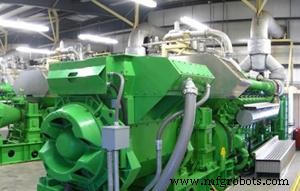
Running a generator below its optimal load-to-fuel‑consumption ratio is rarely ideal, yet field crews and emergency operators sometimes must do so. When light‑load operation becomes unavoidable, a disciplined maintenance routine is essential to protect the engine and keep the power system reliable.
After any period of light load, operators should increase the load to raise cylinder temperatures and pressures. This brief high‑load phase helps burn off deposits that can accumulate in the combustion chamber.
For natural‑gas generators, keep light loads strictly limited: 0–30 % load for no more than 30 minutes, and 31–50 % load for up to 2 hours. Follow every light‑load session with at least 2 hours at 70 % or higher load.
Scheduled and Preventative Maintenance
Structured maintenance programs are non‑negotiable for generators that support critical infrastructure—hospital standby units, data‑center power, laboratory backups, and more. A robust plan starts with simple checks, such as verifying that generator exercisers operate correctly to simulate start‑up and shut‑down cycles at regular intervals.
Load‑bank testing is a cornerstone of preventive care. By temporarily pushing the generator to near‑full output, the test eliminates wet‑stacking and other build‑ups while confirming the engine can deliver peak power. Industry best practice calls for a load‑bank test at least annually.
Environmental factors—dust, moisture, salt, altitude, and extreme temperatures—can accelerate wear. Maintenance frequency should be adjusted to match these conditions to avoid premature component failure.
When executed consistently, life‑cycle maintenance reduces downtime, fixes minor issues before they balloon, and extends overall equipment life, saving operators both time and money.
Diesel Generator Efficiency and Tier 4
EPA’s final Tier 4 diesel regulations are reshaping generator design and operation. New engines built to meet these stricter emission limits are less tolerant of light loads because the selective catalytic reduction (SCR) system must stay within a narrow temperature window to function effectively.
Tier 4 units also require diesel exhaust fluid (DEF), a non‑hazardous additive sprayed into the exhaust stream to curb NOx emissions. Operators must confirm that the DEF used is certified for the specific engine model and that the system is calibrated correctly.
Because Tier 4 standards introduce new components and operating constraints, it’s wise to engage seasoned engineers familiar with these technologies. Proactive consultation can preempt inefficient operation and extend the life of the generator.
About the Author
Clayton Costello is the operations manager at CK Power, a leading manufacturer of power units and generation solutions for diverse markets. CK Power supplies both new and remanufactured diesel and natural‑gas engines, drawing on decades of industry expertise.
Equipment Maintenance and Repair
- Maximizing Performance of Qt State Machines
- Elevating Maintenance: Aligning Strategy, Building Trust, and Driving Business Value
- Mastering Reliability: 7 Proven Steps to Safeguard Your Manufacturing Operations
- How Accurate Maintenance Reports Drive Smarter Operations
- Mastering Warehouse Emergency Preparedness: A Comprehensive Guide
- Mastering Hyperautomation: Key Strategies for Project Success
- Ensuring Fire Truck Readiness: A Comprehensive Inspection Guide
- How Industrial Generators Keep Your Facility Running During Outages
- Optimal Testing Frequency for Commercial Generators: Expert Guide to Reliability
- Guarantee Accuracy in Precision Part Machining: Expert Tips & Best Practices