



Integrating UN SDGs: Fiix’s 5‑Year Journey to Sustainable Impact
Written by Katie Allen, Fiix’s Sustainability and Social Impact Manager.
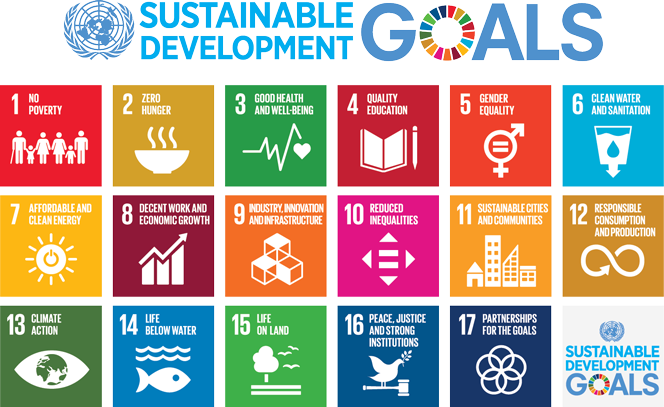
Today the UN Sustainable Development Goals (SDGs) are the global playbook for building a fairer, greener future. Fiix has embedded the 17 SDGs into every layer of our business for the past five years, and our progress demonstrates that medium‑sized tech firms can drive meaningful change.
What are the UN Sustainable Development Goals?
The SDGs, adopted in 2015, set 17 targets for ending poverty, protecting the planet, and ensuring prosperity for all by 2030. With only nine years left, the goals demand coordinated action from governments, corporations, and individuals alike.
Our Integration Roadmap
1. Start with the business
We began by mapping our product portfolio, market dynamics, and operational challenges to the SDG framework. Aligning our triple‑bottom‑line priorities—people, planet, profit—allowed us to set clear, actionable commitments:
- Make tech accessible and inclusive for everyone.
- Mitigate climate impact through sustainable practices.
- Earn responsibly, allocating 1 % of revenue to global causes.
2. Engage stakeholders
To avoid spreading ourselves thin, we surveyed employees and customers to surface the SDGs that mattered most. Five goals emerged as our focus areas:


3. Measure, report, and iterate
We distilled each SDG to one or two specific, quantifiable targets linked to our commercial strategy. Programs were launched internally and in partnership with community organisations—ranging from inclusive hiring to carbon offsetting—creating a living, transparent dashboard on our impact site.
By moving from an annual paper report to a continuously updated online platform, we remove information barriers and enable real‑time accountability.
Impact Highlights (May 2021)
| Commitment | Fiix Goal | SDG | Target | Progress |
|---|---|---|---|---|
| Inclusivity | Open tech to all | SDG 4 – Quality Education | Expand tech skills for youth & adults | $97,500 donated to Canada Learning Code; $6,000 in scholarships for 4 youth; $2,500 to Black Boys Code |
| Gender Equality | Women‑in‑tech empowerment | SDG 5 – Gender Equality | Elevate women in leadership | Women‑identifying staff up 18 %→27 %; 10 women‑in‑tech events; $21,000 to Women in Reliability; $2,500 to Jean Augustine Centre |
| Sustainability | Reduce environmental footprint | SDG 12 – Responsible Consumption | Cut waste, paper use | 131 t of paper saved (3,144 trees); 71 % waste diverted from landfill; organics, foil, e‑waste collected |
| Climate Action | Carbon neutrality support | SDG 13 – Climate Action | Offset emissions | 751 t CO₂e offset via sequestration; 35,000 m² land conserved; $70,000 to Charitable Research Reserve; $8,000 to Environmental Defence |
| Responsibility | Profitable, ethical growth | SDG 8 – Decent Work | Support SMEs, jobs | $5,000 to Next Economy Series; $5,000 to Access for Success; ranked in Canada’s Growth 500 and Deloitte Tech Fast 50; 210 employees in 2021 |
Resources for SMEs
Our journey isn’t a one‑size‑fits‑all playbook. Below are tools that helped us navigate the SDG integration process:
- SASB: Sustainability Accounting Standards Board – industry‑specific challenges
- SDG Compass: Business‑centric SDG guidance
- Green Economy Canada: SME SDG implementation resources
We remain committed to refining our approach and amplifying impact. Stay connected through our impact portal.
Equipment Maintenance and Repair
- Unlocking IoT Data: How Business Rules Management Drives Enterprise Value
- Optimizing Maintenance: Cost‑Effective Predictive Strategies for Manufacturing Leaders
- The 5 Essential Goals Every Project Manager Should Achieve
- How Fiix Integrates Diversity, Inclusion, Belonging, and Equity into Every Layer of Our Business
- How Maintenance Drives a Sustainable Circular Economy
- Featured in MRO Magazine: Repair, Rebuild or Replace
- Maximizing IoT for Restaurants: Boost Efficiency, Reduce Waste, and Delight Customers
- Green Manufacturing: Unlocking Business Growth Through Sustainable Practices
- AI in Business: From Early Adoption to Today’s Breakthroughs
- Proving ROI: How to Justify the Cost of Automation