



How Poor Maintenance Data Hinders Your Operations—and How to Correct It
Not All Maintenance Data Is Created Equal
In any maintenance program, data is the backbone that drives decision‑making, performance measurement, and audit readiness. It tells you which assets need attention, how interventions affect your schedule, and the true cost of keeping production running. In short, data is the language that narrates your maintenance team’s story.
However, not all data tells the truth. Jason Afara, Senior Solutions Engineer at Fiix and former maintenance manager, observed that when the data is inaccurate, it can undermine the entire program.
"We had more technicians than CMMS licenses, so people would log in after finishing a work order, trying to recall every detail. We were always playing catch‑up, and that eroded our credibility," Afara explains.
The Cost of Bad Maintenance Data
When data is flawed, it becomes difficult to advocate for your team. You can’t justify purchasing new equipment, reallocating production time for maintenance, or hiring additional staff if the data doesn’t support those requests.
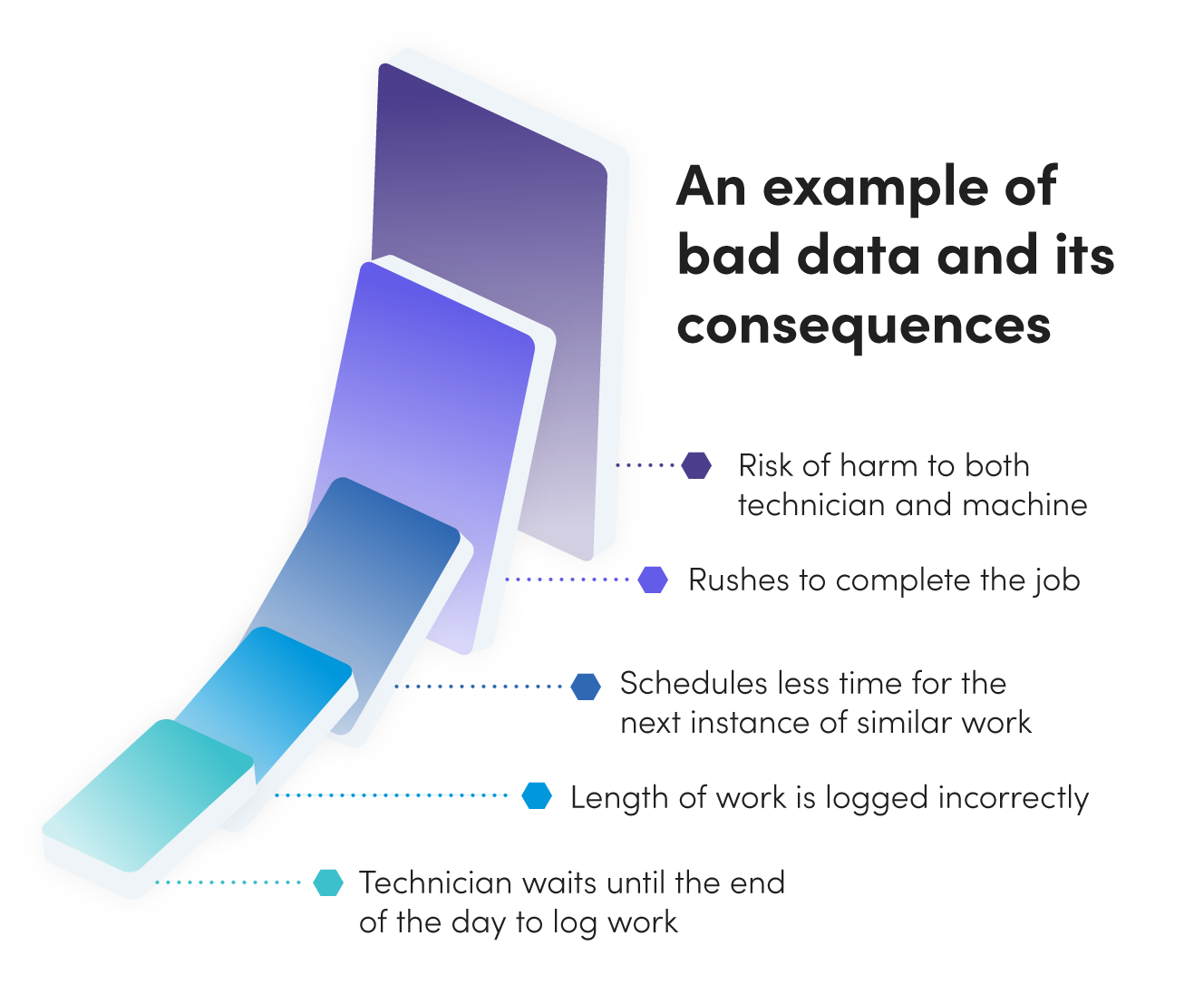
Bad data can also hurt daily operations. For instance, a technician might wait until the end of the day to record a job. That delay can lead to misremembered durations, which often result in rounding down or over‑simplifying the effort required.
One small error can trigger a domino effect: the next time the job is scheduled, planners underestimate the time needed. Technicians rush, raising risk for both personnel and equipment. Simultaneously, you under‑budget labor hours, putting the department’s finances in jeopardy.
Below we explore the common origins of inaccurate maintenance data and how to audit it effectively.
Where Bad Maintenance Data Begins
Often, poor data originates from well‑meaning initiatives, making it hard to spot. Yet the very fact that your organization embraces a data‑driven culture is a valuable advantage—you know that insights derived from numbers are essential.
Two primary areas tend to introduce incomplete or incorrect data:
Trying to Boil the Ocean
Many teams attempt to capture every possible metric from the moment IIoT sensors become available. While the ability to track asset behavior in real time is powerful, it becomes problematic when you lack a clear strategy for which data to collect and why.
Brandon De Melo, Customer Success Manager at Fiix, notes, "Having a sensor that pulls machine data is great, but you must also consider external factors—downtime, environmental conditions, and other variables that influence the raw data."
Not Thinking Critically About Metrics
Every maintenance department tracks KPIs, but are they the right ones? Stuart Fergusson, Director of Solutions Engineering at Fiix, warns that teams often chase metrics simply because they’re mandated by management, such as labor hours.
“You need to measure metrics that truly support your department’s objectives,” Fergusson says. “Too many people measure for the sake of measurement, not for insight.”
Get your guide to common maintenance metrics and the best way to use them
Where Bad Maintenance Data Lives
Identifying inaccurate information can be tricky because bad data blends in with clean data. Recognizing the common red flags can help you spot issues without sifting through endless reports.
In Your Storeroom
Obsolete parts can skew inventory counts. If you don’t perform regular cycle counts, you risk ordering unexpected items or over‑paying for parts that aren’t needed.
Afara explains, "When a $3,000 part is due for replacement near month‑end, some managers delay the repair so the expense falls into the next month’s books. This game of timing can distort financial statements and obscure real maintenance needs."
Want to do more accurate cycle counts? This free template can help
In Your Preventive Maintenance Schedule
Regular PMs are essential, but not all of them are necessary. Afara describes “emotional PMs” that persist because a failure occurred months ago and the schedule hasn’t been updated.
When teams inherit PM lists without scrutiny, the schedule can balloon with redundant tasks, painting a misleading picture of what truly needs attention.
In Your Work Order and Asset Histories
Documentation can go awry when priorities shift. "When upper management insists that every minute must be logged, technicians often inflate time entries to satisfy the requirement," Afara observes.
This focus on a single metric can eclipse strategic planning, leading to data that is misleading and unusable for real improvement.
In Your Reports
Data sets naturally contain peaks and troughs. The challenge lies in interpreting those fluctuations. "If you see a dip in September and a repeat in January, do you understand why it happened?" De Melo asks. "Without context, tracking anomalies is pointless; you must uncover the underlying cause before you can act."
The best root cause analyses start with this template. Download it for free
How to Audit Maintenance Data
Once you know where inaccuracies reside, the next step is to conduct a focused audit. Start where you encounter unexplained anomalies—whether it’s unplanned downtime, inconsistent labor hours, or inventory mismatches.
De Melo recommends initiating conversations with production managers and other stakeholders: "Ask how data is tracked, what systems are in place, and why the numbers look the way they do. Gather context before you jump to conclusions."
Build a data audit checklist that reflects your strategic goals. Bring plant managers, technicians, and data analysts to brainstorm: "What do we need to improve, and what information will help us get there?" Once the objectives are clear, the checklist will follow naturally.
The Best Maintenance Data Is Data With Purpose
By critically auditing your data, you ensure every metric serves a clear business purpose. This approach lets you connect disparate data points into a cohesive narrative that drives meaningful change.
“If you truly understand your maintenance activities, everything else will fall into place,” Fergusson says. “Plant leadership may not grasp backlog or overtime, but when you present a $250,000 cost‑savings case backed by solid data, they listen.”
Ultimately, data collection is often the easiest part; the real challenge is interpreting it to tell a compelling story that informs decisions and secures resources.
“If you have the culture, the right metrics, and the right people, setting up the data pipeline can be done in a week,” Fergusson concludes. "But more often, you have a data flood with no coherent narrative. The fix starts with intentional auditing and purposeful measurement."
Equipment Maintenance and Repair
- 5 Common Metal 3D Printing Issues—and How to Resolve Them
- How Volunteer Leadership Fuels Advancement in Maintenance & Reliability
- 5 Key Drivers of Equipment Failure and Proven Prevention Strategies
- Building a Resilient Health & Safety Program for Maintenance Managers
- Stop Losing Time to Manual Data Entry: A Proven Solution for Maintenance Managers
- How Accurate Maintenance Reports Drive Smarter Operations
- Interoperability Explained: How Your Company Can Achieve Seamless Integration
- Boost Your Manufacturing Efficiency: Proven Strategies to Maximize Productivity
- Proactive Maintenance Explained: Benefits & How It Differs from Reactive Strategies
- How to Detect a Faulty Hydraulic Pump: Key Indicators