



Maintenance Worker Job Guide: Duties, Skills, Salary, and Hiring Tips

Maintenance workers form the backbone of any facility’s upkeep, ensuring that the physical environment remains safe, functional, and efficient.
Often overlooked, their contributions keep businesses running smoothly and employees productive.
In this guide, we’ll explore the core responsibilities of a maintenance worker, how to craft an effective job description, and the typical compensation range for this vital role.
What Is a Maintenance Worker?
A maintenance worker is a professional responsible for the upkeep and repair of a facility’s physical assets and infrastructure. Typical titles include maintenance technician, mechanic, electrician, and cleaning staff.
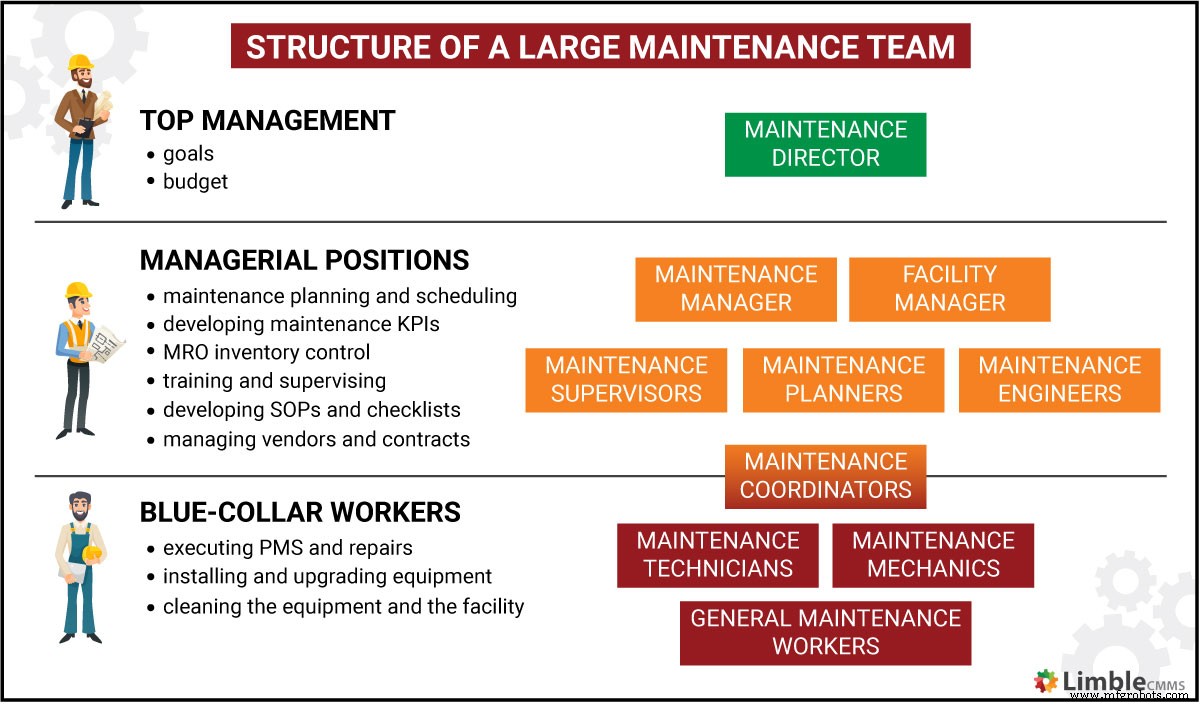
While the term can encompass managers and coordinators, “worker” usually refers to the hands‑on personnel who execute daily tasks.
Key Responsibilities
Daily duties vary by industry but generally include:
- Building Maintenance: Inspecting, maintaining, and repairing building systems—electrical, HVAC, elevators, plumbing—and structural elements such as doors, windows, walls, and roofs.
- Manufacturing Facilities: Troubleshooting mechanical, electrical, and hydraulic problems on production equipment, assembling new machinery, and conducting preventive maintenance.
- Heavy‑Industry Sites: Performing inspections, preventive maintenance, and repairs on heavy equipment in demanding environments.
- Transportation Companies: Conducting routine and corrective maintenance on vehicles and related equipment, often traveling to field locations.
- Electrical Grid Operations: Acting as field technicians who monitor and maintain power infrastructure, requiring advanced electrical knowledge and rigorous safety training.
Regardless of setting, core tasks include general upkeep, routine and corrective maintenance, asset diagnosis, record‑keeping, tool organization, and strict adherence to safety protocols.
Sample Job Description Templates
Below are three templates you can adapt for recruiting a general maintenance worker:
- TEMPLATE #1
- TEMPLATE #2
- TEMPLATE #3
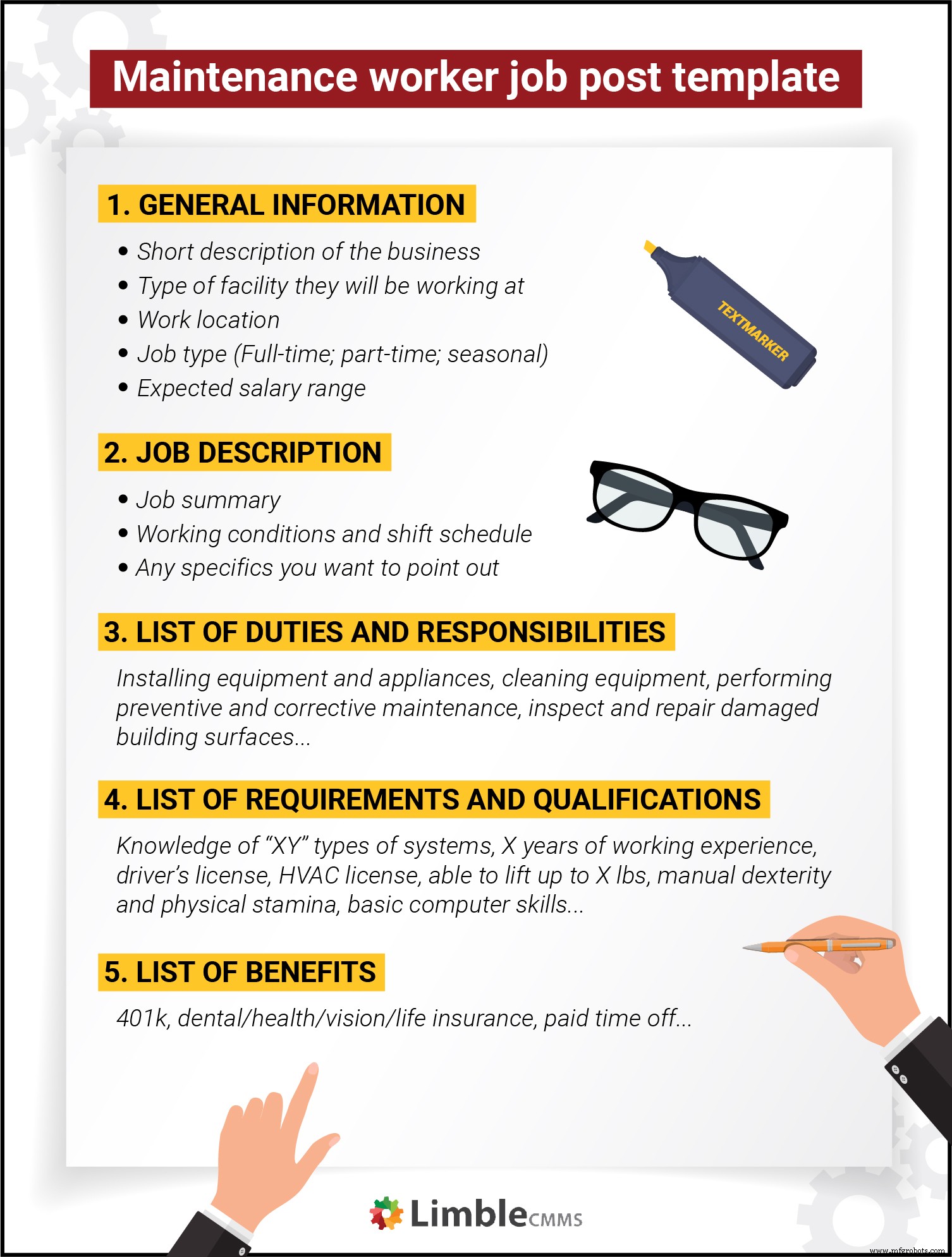
Use dedicated job boards—both free and paid—to post openings or review current listings.
Salary Overview
Wages vary by education, certifications, experience, location, and company size. The most reliable data come from leading salary platforms:
- Glassdoor: average base pay $40,000
- PayScale: average base pay $33,000
- Salary.com: average base pay $40,000

Hourly equivalents range from $10 to $20, excluding overtime, bonuses, and benefits.
Essential Skills for Maintenance Workers
Broad Technical Knowledge
Versatility is critical; a generalist must handle diverse equipment and systems, building a deep understanding of each asset over time.
Problem‑Solving Ability
Diagnosing failures—whether mechanical, electrical, or due to poor materials—requires analytical thinking and creative troubleshooting.
Physical Stamina and Dexterity
The role demands lifting heavy items, working on one’s feet for long periods, and occasionally operating in harsh or confined spaces. A steady, precise hand is essential for electrical and mechanical tasks.
Basic Computer Proficiency
Most facilities use CMMS or EAM systems for work order tracking. Familiarity with mobile‑friendly software and an understanding of condition‑based monitoring trends are increasingly valuable.
Certifications to Boost Your Profile
While many workers hold a high‑school diploma, industry certifications can enhance employability and career progression. Certifications vary by sector; the following list covers those most applicable to general maintenance roles.
Industry‑Wide Credentials
IMI Certification
International Maintenance Institute’s program offers a structured curriculum and globally recognized credentials, with a two‑year recertification cycle.
Certified Maintenance & Reliability Professional (CMRP)
ANSI‑accredited, aligning with ISO standards, this credential validates expertise in maintenance, reliability, and asset management.
Certified Maintenance & Reliability Technician (CMRT)
Designed for technicians performing preventive, predictive, and corrective maintenance, this certification assesses practical skill sets.
Facility & Property Maintenance
Building Systems Maintenance Certificate (SMC)
Delivered by BOMI, this course covers HVAC, plumbing, energy management, and building systems integration.
Certified Maintenance Employee (CME)
Online program by AHLEI focusing on hospitality industry fundamentals and soft skills.
Certificate for Apartment Maintenance Technicians (CAMT)
ANSI‑accredited program covering apartment maintenance, electrical, HVAC, plumbing, and interior/exterior care.
Certified Building Operator (BOC)
Training for building engineers to enhance comfort, efficiency, and environmental performance.
HVACR Certification
State‑licensed proof of HVAC installation and repair competency.
Key Takeaway
A maintenance worker’s role is dynamic and demanding. Clear expectations and matching skill sets are essential for successful hiring and job performance.
Equipment Maintenance and Repair
- Top Aircraft Technicians Crowned Winners in First AMTSociety Maintenance Skills Competition
- Strategic Guide to Outsourcing Maintenance: Turning Contractors into Trusted Partners
- Pepperidge Farm Boosts Maintenance Excellence Through Targeted Training at North Central State College
- Maintenance Coordinator Role: Duties, Skills, Salary, and Career Path
- Maintenance Supervisor Role: Duties, Skills, Salary & Career Path
- Maintenance Mechanic Career: Duties, Skills, Salary & Advancement
- Maintenance Technician Guide: Duties, Skills, Salary & Career Path
- Can AI Replace Your Maintenance Job? Insights from a Predictive Maintenance Expert
- 5 Key Responsibilities Every Crane Operator Must Master
- CNC Setter Role: Duties, Skills, and Responsibilities