



Construction Asset Management: A Practical Guide to Maximize ROI and Efficiency
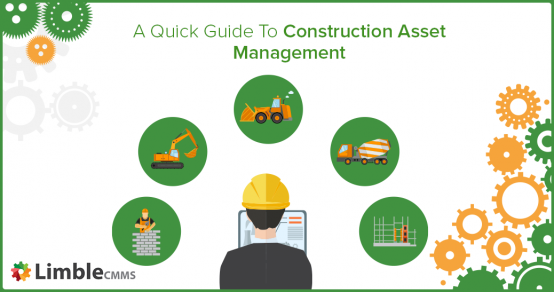
In the construction sector, acquiring new equipment is routine—but managing those assets is often an afterthought. Yet, disciplined asset management unlocks higher productivity, lower downtime, and stronger returns on investment.
To grasp the value of proper asset stewardship, we first clarify what an asset truly is.
What Is an Asset?
Broadly, an asset is any item of monetary worth owned by a business. In construction, assets range from heavy machinery and hand tools to software licenses and on‑site infrastructure.
Construction Asset Management Defined
Construction asset management is a structured process that covers procurement, operation, maintenance, upgrading, and eventual disposal of equipment and related assets. It typically falls into two core categories:
- Asset procurement
- Asset tracking & maintenance
These stages together form the lifecycle of every piece of equipment a contractor uses.
Asset Procurement Best Practices
Before purchasing, an asset must satisfy three criteria:
- Identified as an essential requirement.
- Meets the company’s efficiency and cost standards.
- Validated to deliver the intended value.
Failing to meet these conditions risks turning a valuable tool into a liability.
For example, if a company decides to replace a rented bulldozer with a purchased one, a careful capacity assessment ensures the machine can handle the site’s demands. Oversight here can result in under‑powered equipment that hampers productivity and inflates costs.
Other factors—brand reputation, total cost of ownership, and design specifications—must also be weighed.
Tracking and Maintaining Assets
Acquisition is only the start. Continuous monitoring guarantees assets perform to their fullest potential.
Monitoring and Maintenance
Construction sites are often exposed to theft and wear. Implementing robust security protocols and real‑time asset tracking mitigates loss and improves scheduling across multiple locations.
Yet location alone isn’t enough. Routine maintenance and condition monitoring—via sensors that alert operators to impending failures—prevent costly downtime. Integrating a Computer‑Aided Maintenance System (CMMS) streamlines scheduling, logs, and predictive maintenance planning. Read our CMMS guide for deeper insight.
Renewal and Upgrading
When an asset’s performance dips below acceptable levels, or its maintenance costs eclipse its value, renewal or upgrade becomes necessary. Upgrades may be driven by evolving project demands or new technology releases.
Disposal and Replacement
Redundant assets should be disposed of efficiently—preferably through sale or recycling—to recover value. If the asset is essential, replacement initiates a new procurement cycle, completing the lifecycle loop.
Effective Asset Management Tips
Robust management practices reduce risk, lower costs, and elevate project delivery. Consider the following:
- Adopt predictive maintenance. Reactive fixes lead to unexpected shutdowns, delays, and safety hazards.
- Automate with a CMMS. Systems like Limble centralize maintenance tasks, enhance visibility, and drive continuous improvement.
- Maintain a comprehensive asset register. Document acquisition details, performance metrics, and maintenance history to inform future decisions.
- Track condition and depreciation. Real‑time status reports help forecast asset lifecycle and retirement timelines.
- Forecast future needs. Anticipate shifts in project scope, technology, and regulatory demands to stay ahead.
- Commit to continuous improvement. Regularly review workflows, safety protocols, and procurement strategies to sustain competitive advantage.
Conclusion
In construction, a disciplined asset management system translates into higher output, extended equipment life, regulatory compliance, and a stronger bottom line. Neglecting these practices is a costly oversight.
Patrick Hogan is the CEO of Handle, a company that builds software to help contractors, subcontractors, and material suppliers manage critical documents—like preliminary notices—to prevent late payments. Handle.com also offers invoice factoring, trade credit, and mechanics lien purchasing for construction businesses.
Equipment Maintenance and Repair
- Strategic Asset Management: Unlocking Sustainable Operational Excellence
- Integrating Asset Management Into Facility Design, Construction, and Startup: A Blueprint for Reliability and Profitability
- AMP Announces Comprehensive Asset Management Study to Shape 2024‑2026 Practices
- Building an Asset Management Policy: A Comprehensive, Expert Guide
- Routine Maintenance: A Practical Guide to Extending Asset Life
- Transporting Cranes: A Professional Guide to Safe and Efficient Moves
- Utility Asset Management Software: A Comprehensive Buyer’s Guide
- Asset Management Explained: Optimizing Asset Value and Compliance
- Proven Strategies for Buying Reliable Used Construction Equipment
- How Cat Connect’s Asset Tracking Enhances Fleet Management – Quick Video Guide