



Understanding Combine Harvesters: How They Revolutionize Grain Farming
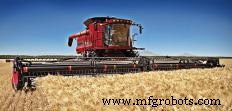
A combine harvester is a vital piece of equipment for the modern farm. It is a machine that aids in the harvesting of grain crops by combining three separate functions into one piece of equipment. The combine harvester performs the processes of reaping, threshing, and cleaning. This allows the crop to be harvested more quickly and efficiently, and enables farmers to harvest larger amounts. Some crops that can be harvested using this machine include wheat, soybeans, oats and rye.
The first process performed by the combine harvester is reaping, which is cutting down the crop for harvesting. As the combine harvester drives through the field, the crop is pulled into the harvester in the front section, called the header. From there it is pushed further into the machine by a slowly turning wheel called the pickup reel, which also holds the plants for cutting. The crop is then cut by the cutter bar, which has teeth that are sometimes called mowing fingers. These cut off the plant at the bottom near the ground.
Next comes threshing, which is the process of beating the crop to separate the grain from the rest of the plant. After the crop has been cut, it is transported further into the combine harvester by a conveyor belt and deposited into a threshing drum. Inside the threshing drum, bars beat and separate the tops of the plant, containing the grain, from the straw, or the plant stems. The straw is carried up out of the combine by straw walkers, while the grain falls down through a screen for further processing.
Finally the cleaning process is accomplished using air blown on the grain or plant. The plant sits on a screen and air is blown on it forcefully. This separates and blows away lighter bits of plant material, called chaff, which may still be clinging to the grain. The grain then goes into a collecting tank. When the collecting tank is full of clean grain, it is shot out of a pipe called an unloader, into a storage bin or trailer attached to the combine harvester.
Sometimes the combine harvester spreads the unwanted straw behind it as it moves through the field. Frequently though, the straw is collected and tied into bundles to be used for feeding farm animals or for bedding. Some combines are equipped with attachments that are able to perform this process in addition to reaping, threshing and cleaning.
Industrial equipment
- Diamond Turning: Precision Machining for Advanced Optics and Beyond
- Ultrasonic Machining Explained: Process, Benefits, and Limitations
- The Combine: Engineering the Modern Grain Harvester
- Understanding the Oxygen (O2) Sensor: Role, Placement, and Failure Signs
- Understanding AS9100: The Aerospace Quality Management Standard
- What Is A2 Steel? A Versatile, Cost‑Effective Tool‑Steel Grade for Industrial and Woodworking Applications
- Understanding Metal Casting: Process, Benefits, and Applications
- Demystifying 3D Printing: A Clear Guide for Innovators
- Understanding Combine Harvesters: How They Revolutionize Grain Farming
- Decoding 'N' in Pump Calculations: Its Role and Significance