



NXP HoverGames: Open-Source Drone Platform and Coding Competition
The NXP HoverGames drone development platform is a modular, card‑sized hardware and software solution that empowers developers to build autonomous vehicles—from consumer drones to advanced UAVs and rovers.
Each kit comes with a fully assembled reference drone that includes the Flight Management Unit (FMU). Participants start by working through simple tutorials to understand the hardware, then sign up for virtual software challenges—some of which require qualification.
Designed for flexibility, the platform supports robotics research, control‑algorithm prototyping, secure communication protocols, and can be expanded with additional sensors or support components.
“We built the drone as a development kit because that is exactly the purpose for anyone who wants to experiment,” says Iain Galloway, NXP Systems Innovation Lead. “By launching HoverGames, we broadened the software ecosystem, offering a social theme—‘Fight Fires with Flyers’—that challenges coders to devise software solutions for first responders, rather than just flight performance.”
Unmanned aerial vehiclesUAVs have evolved dramatically over the past decade, transitioning from niche military tools to widely accessible consumer and commercial devices. Today, drones are often part of emergency response kits, delivering supplies or gathering situational awareness during disasters. As connected devices, they also bring data‑security challenges—many were designed before cyber‑threats were mainstream.
NXP HoverGames drone development kitThe core of the kit is an NXP processor running Linux with OpenCV, coupled with an array of sensors that form an Inertial Measurement Unit (IMU) and provide interfaces for CAN, automotive Ethernet, and security modules.
In Challenge 1, the kit—called KIT‑HGDRONEK66—features the FMUK66 flight controller, which runs the NuttX RTOS and the PX4 flight stack. It also includes the full suite of sensors required for autonomous flight.
Challenge 2 introduces a companion computer, the NavQ (8MMNavQ), built on the NXP i.MX 8M Mini SoC. This Linux‑based vision processor offers hardware acceleration for video encoding and supports OpenCV, ROS, Python, and MAVSDK.
The flight controller maintains vehicle stability and is open‑source, allowing developers to add external sensors to tailor the drone’s capabilities.
Power is supplied by a LiPo battery, and a country‑specific telemetry radio is required. Through telemetry, operators receive live flight data, can load autonomous waypoints, and modify missions on the fly. Telemetry is transmitted to the ground station and logged onboard (see Figures 1 & 2).
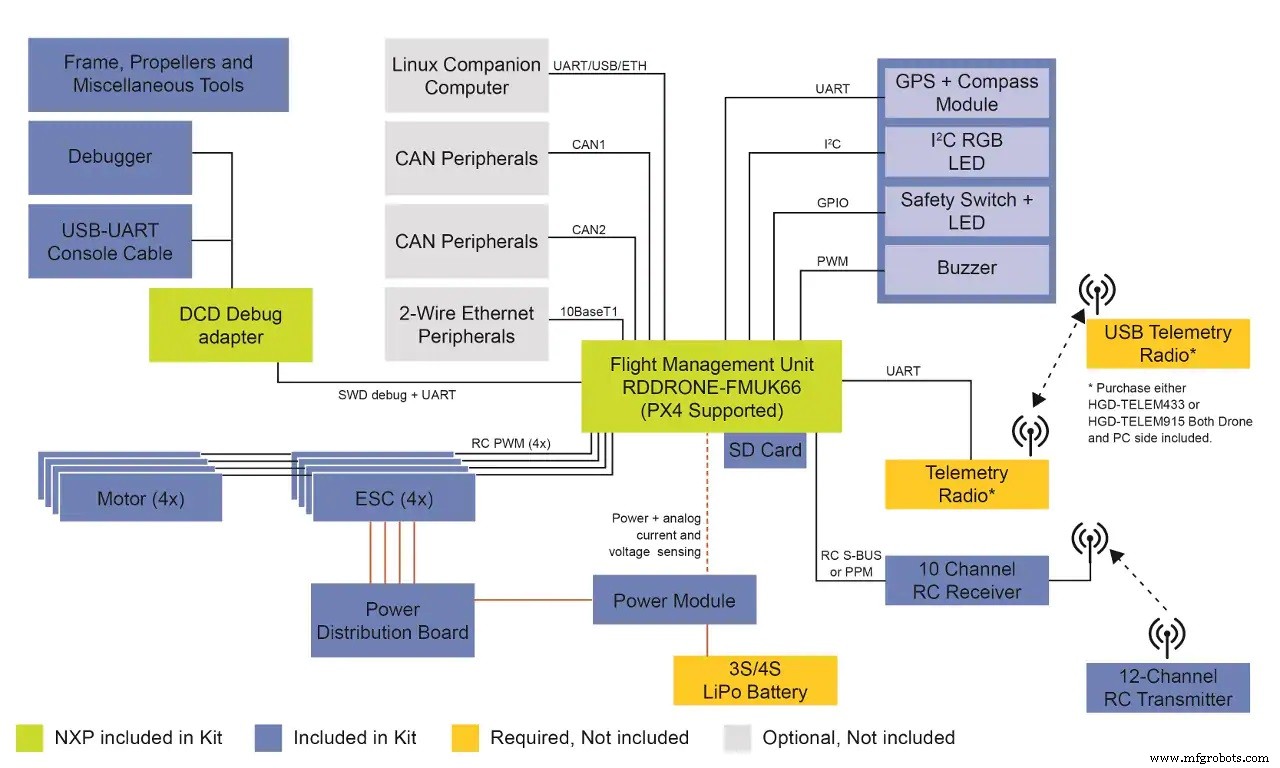
 Figure 1: KIT‑HGDRONEK66 kit block diagram
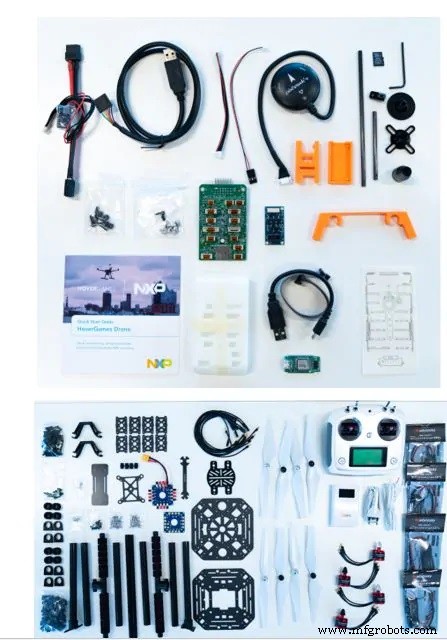
 Figure 2: kit components of the KIT‑HGDRONEK66
The RDDRONE‑FMUK66 flight unit runs the PX4.org flight stack—an industry‑standard, BSD‑licensed framework that supports BLDC motor control, GPS, and other positioning sensors for autonomous navigation. It is fully compatible with QGroundControl, available on desktop and as a mobile app for Android and iOS.
Hardware specs: NuttX RTOS on an NXP Kinetis K66 MCU (ARM Cortex‑M4 @ 180 MHz, 2 MB flash), NXP sensors, automotive CAN bus transceivers, and the two‑wire 100BASE‑T1 Ethernet transceiver TJA110x.
Other kit components include a DC‑to‑DC power module, GPS NEO‑M8N, safety switch, buzzer, RGB status LED, SEGGER J‑Link EDU Mini/FTDI USB‑TTL‑3V3 cable, BLDC motors 2212 920 kV, and 40 A OPTO ESCs.
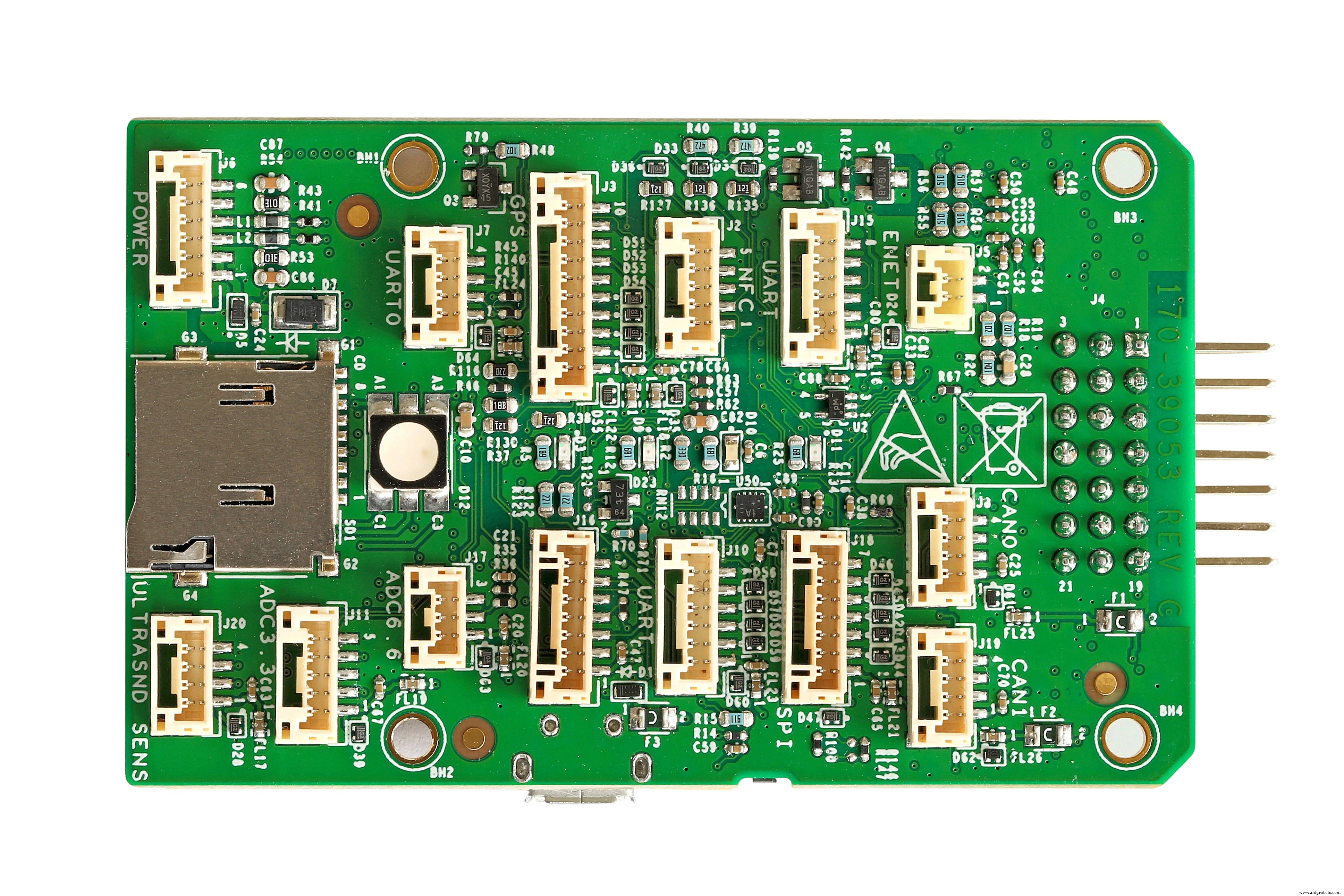
 Figure 3: RDDRONE‑FMUK66 flight unit – Top view
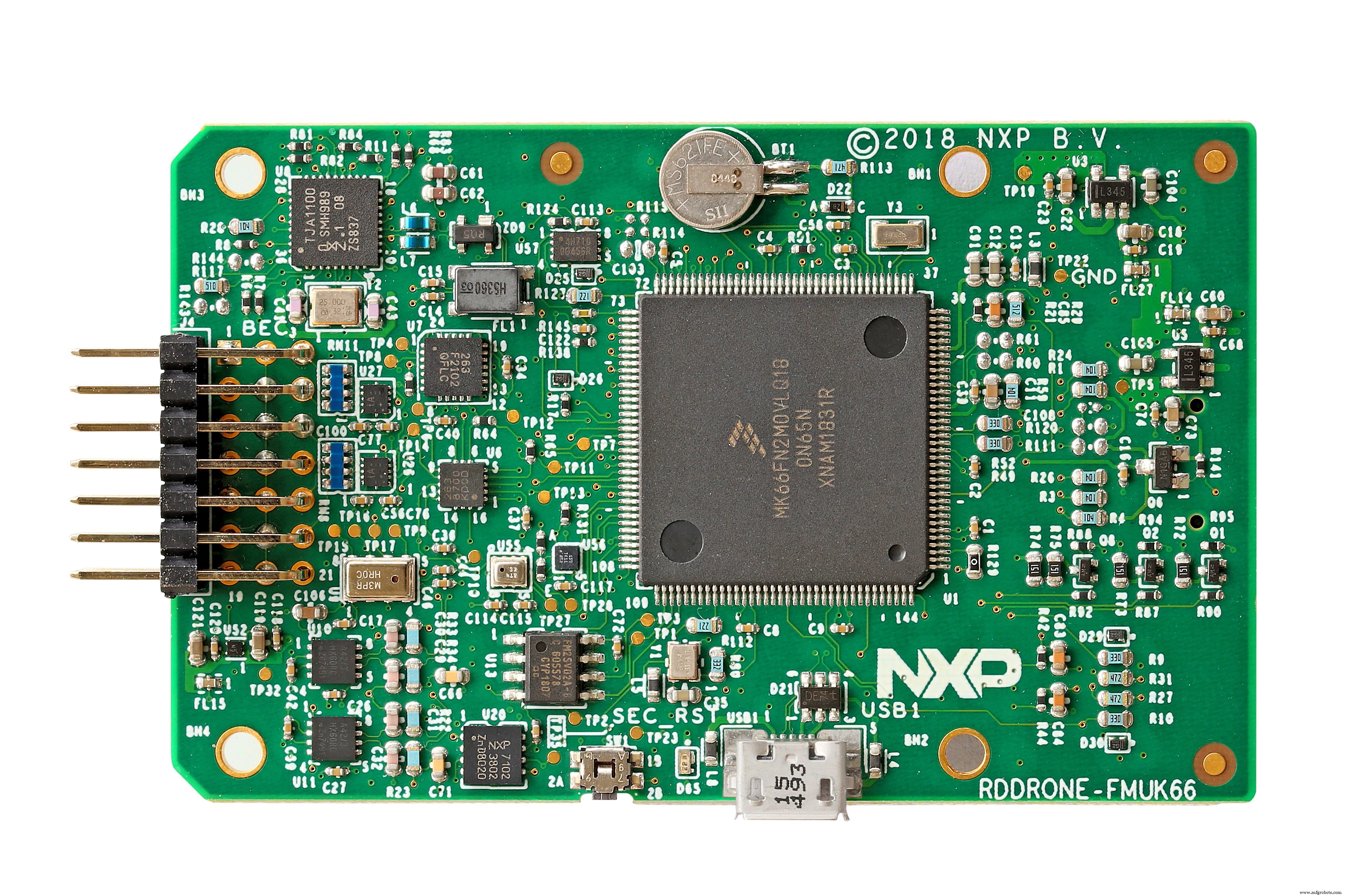
 Figure 4: RDDRONE‑FMUK66 flight unit – Bottom view
After assembly, the chassis offers space for a Rapid IoT adapter or the NavQ i.MX 8M Mini, turning the drone into a vision‑processing platform equipped with Linux, OpenCV, and ROS.
“One of the most valuable aspects of this solution is its openness,” says Galloway. “Unlike many commercial drones that only expose an API, our entire flight controller and companion computer are open‑source hardware and software. This transparency lets developers innovate, iterate, and ultimately build a commercial product around it.”
The kit is priced at $450, with additional discounts available for developers participating in HoverGames programs.
HoverGames encourages participants to write code that expands drone functionality and to compete in fun, software‑racing challenges. Community support comes through the PX4 Slack channel, GitHub, and GitBook, where developers can collaborate and receive guidance from NXP.
Challenges are framed around real‑world social issues—such as waste cleanup simulations, wildlife monitoring, disaster response, health crisis mitigation, and environmental protection. Participants are tasked with designing software solutions that could make a tangible difference.
HoverGames Challenge 2, titled “Help Drones Help Others in Pandemics,” has just launched. It adds the NavQ vision computer and invites entrants to devise drone‑based solutions for medicine delivery, first‑responder communications, or agricultural monitoring during labor shortages.
The challenge is open for registration at https://www.hackster.io/contests/hovergames2.
>> This article was originally published on our sister site, EE Times Europe.
Embedded
- Qomu: QuickLogic's USB‑Sized MCU + eFPGA Dev Kit for Edge IoT & AI
- Qualcomm Launches 5G‑Enabled AI Drone Platform to Drive Autonomous UAV Innovation
- Renesas RSSK: Rapid Analog Sensor Evaluation & Calibration with RX23E‑A 24‑Bit MCU
- STMicroelectronics Launches IIS3DWB Sensor and STEVAL-STWINKT1 Kit for Advanced Condition Monitoring
- Mini‑Circuits VTRIG‑74 Evaluation Kit Empowers Researchers to Build Advanced 3D mmWave Imaging Systems
- Qorvo Launches Compact Wi‑Fi 6 Dev Kit with Integrated IoT Protocols
- Mini‑Circuits & Vayyar Launch VTRIG‑74: 4D Millimeter‑Wave Imaging Development Kit
- STMicroelectronics Launches AutoDevKit: Accelerating Automotive ECU Design
- Eta Compute and Edge Impulse Partner to Deliver Ultra‑Low‑Power Edge AI with ECM3532 Processor
- RSL10 Mesh Development Kit Empowers Ultra‑Low‑Power BLE Networks