Industrial manufacturing
Sensor

Who Many surgeries today are performed via minimally invasive procedures in which a small incision is made and miniature cameras and surgical tools are threaded through the body to remove tumors and repair damaged tissues and organs. While many procedures can be performed in this way, surgeons face
Manufacturing facilities generate massive amounts of operational data from their automated production equipment, condition monitoring devices, and other sensors and systems. As companies are becoming more aware of the potential marooned in these assets, they are asking how Industrial Internet of Thi
While beam steering systems have been used for years for applications such as imaging, display, and optical trapping, they require bulky mechanical mirrors and are overly sensitive to vibrations. Compact optical phased arrays (OPAs), which change the angle of an optical beam by changing the beam’s p
Researchers have developed a high-power, portable version of a device called a quantum cascade laser that can generate terahertz radiation outside of a laboratory setting. The laser could potentially be used in applications such as pinpointing skin cancer and detecting hidden explosives. Until now,
An automobile airbag deploys thanks to an accelerometer — a sensor that detects sudden changes in velocity. Accelerometers keep rockets and airplanes on the correct flight path, provide navigation for self-driving cars, and rotate images so that they stay right-side up on cellphones and tablets, amo
NASA’s Langley Research Center has developed a plenoptic camera that can image two-dimensional (or in some cases, three-dimensional) spatial information as well as color, where in the final image, each pixel contains a spectrum of the imaged scene. Plenoptic technology measures image brightness as w
Liquid crystals (LCs) have a widely tunable refractive index that can be exploited to counteract optical dispersion and thus extend the range over which light can be efficiently converted. Generally, moderating the wavelength emanating from a crystal requires temperature management or angle-tuning t
As the automation industry advances toward digital transformation, some think that proven manufacturing technologies like pneumatics may become “outdated.” However, pneumatic technologies such as control valves continue to evolve, incorporating sensors, industrial network interfaces, wireless techno
Many minimally invasive surgeries rely on catheters inserted into the body through small incisions to conduct diagnostic measurements and therapeutic interventions. Physicians, for example, use this catheter-based approach to map and treat irregular heartbeats (arrhythmias) often by locating and kil
For every three individuals who have had a stent implanted to keep clogged arteries open and prevent a heart attack, at least one will experience restenosis — the renewed narrowing of the artery due to plaque buildup or scarring — which can lead to additional complications. A type of “smart stent”
Researchers have developed a “digital biomarker” that would use a smartphone’s built-in camera to detect diabetes. The tool could assist in identifying people at higher risk of having diabetes, ultimately helping to decrease the prevalence of undiagnosed diabetes. Screening tools that can be deploye
A new model for self-driving cars learns from past failures by spotting them ahead of time, sometimes by up to 7 seconds. With autonomous vehicles, an unknown or complex driving situation (like a crowded intersection) can cause a disengagement of the self-driving system, either through automatic saf
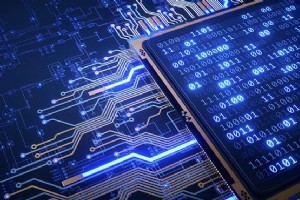
Two-dimensional materials can be used to create smaller, high-performance transistors than the ones traditionally made of silicon, according to Professor Saptarshi Das of Penn State’s College of Engineering. He and his team conducted tests to determine the technological viability of transistors made
In collaboration with groups from China and the United States, a research team from TU Wien set out to find the optimal heat conductor. They finally found what they were looking for in a very specific form of tantalum nitride — no other known metallic material has a higher thermal conductivity. In o
Two-dimensional (2D) materials have a huge potential for providing devices with much smaller size and extended functionalities with respect to what can be achieved with today’s silicon technologies. But to exploit this potential we must be able to integrate 2D materials into semiconductor manufactur
“Tango delta. Touchdown confirmed. Perseverance safely on the surface of Mars, ready to begin seeking the signs of past life.” For more than six years, the Mars Entry, Descent, and Landing Instrumentation 2 (MEDLI2) team waited to hear these words. NASA’s Perseverance rover successfully landed Feb.
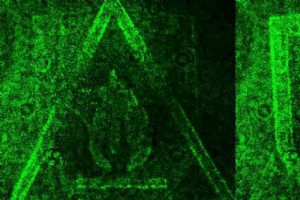
Researchers from the Pohang University of Science & Technology (POSTECH) have created a tiny gas sensor that you can place on your glasses or gloves like a sticker. With a hologram display, the sensor immediately notifies the user of volatile gas detection. The wearable technology could so
Graphene — a material with applications in biomedical technology, electronics, composites, energy, and sensors — is being used to increase the burn rate of solid propellants used to fuel rockets and spacecraft. Methods were developed for making and using compositions with solid fuel loaded on highly
Researchers developed a sensor and software application to detect and avoid energized power lines in the vicinity of unmanned aerial systems (UAS). The goal is to provide drones sufficient time and distance to react, avoid wires, and navigate follow-on maneuvers. The approach uses a unique configura
Optical Frequency Domain Reflectometry (OFDR) fiber optic sensing is established as highly beneficial for live, simultaneous, multipoint monitoring in many fields. A critical weakness of interferometric fiber optic sensing methodologies is that they are susceptible to errors from external influences
Sensor