



Advanced Prediction of Biomembrane Permeability with COSMOperm
Advanced Prediction of Biomembrane Permeability with COSMOperm
How easily can a small molecule—whether a pharmaceutical agent, chemical toxicant, or environmental pollutant—diffuse through a biomembrane?
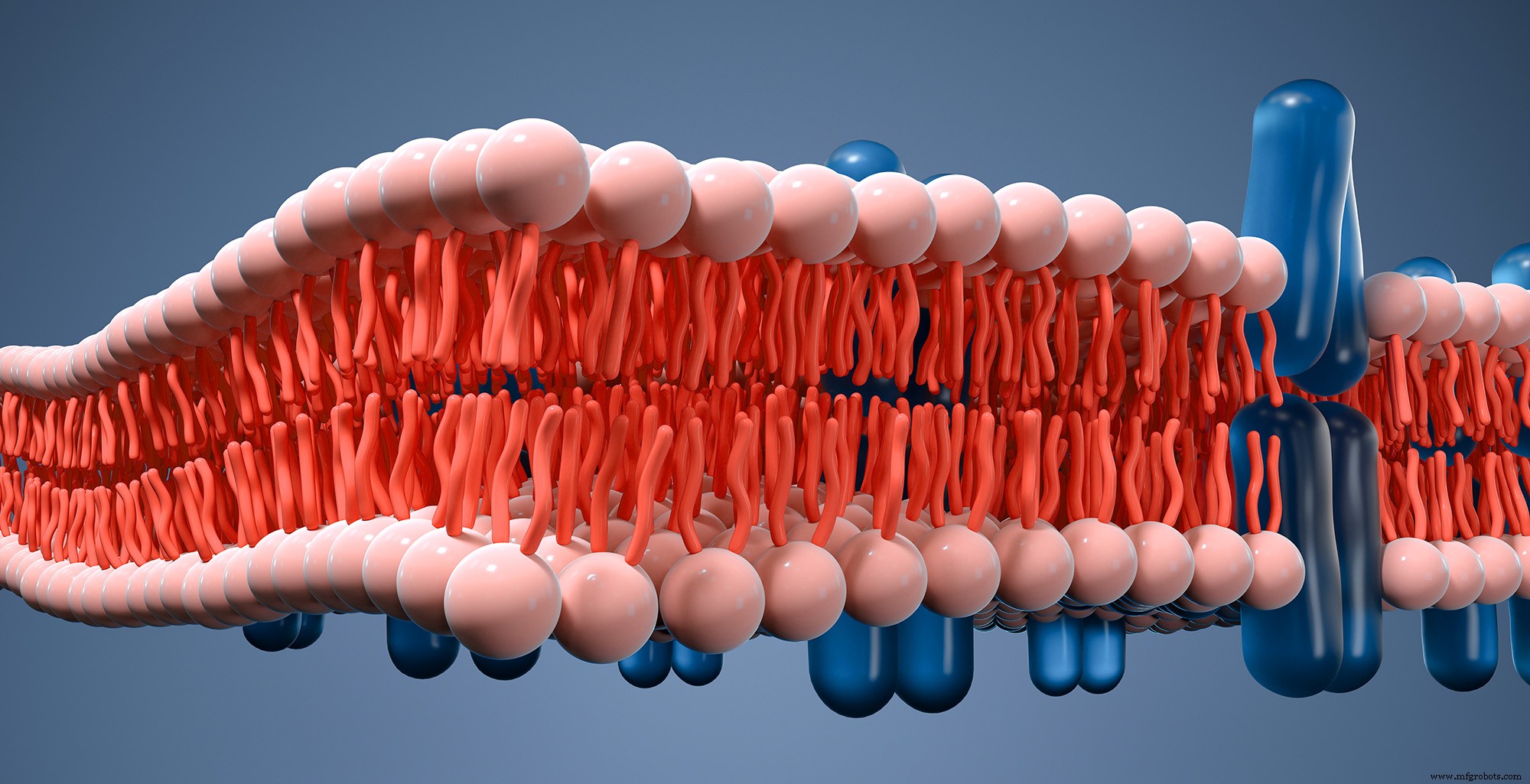
The BIOVIA COSMOperm tool empowers researchers to forecast passive membrane permeabilities for neutral compounds, as well as anions and cations.
This mechanistic approach is detailed in the paper COSMOperm: Mechanistic Prediction of Passive Membrane Permeability for Neutral Compounds and Ions and Its pH Dependence, published in The Journal of Physical Chemistry B by Johannes Schwöbel, Uwe Huniar and Andreas Klamt.
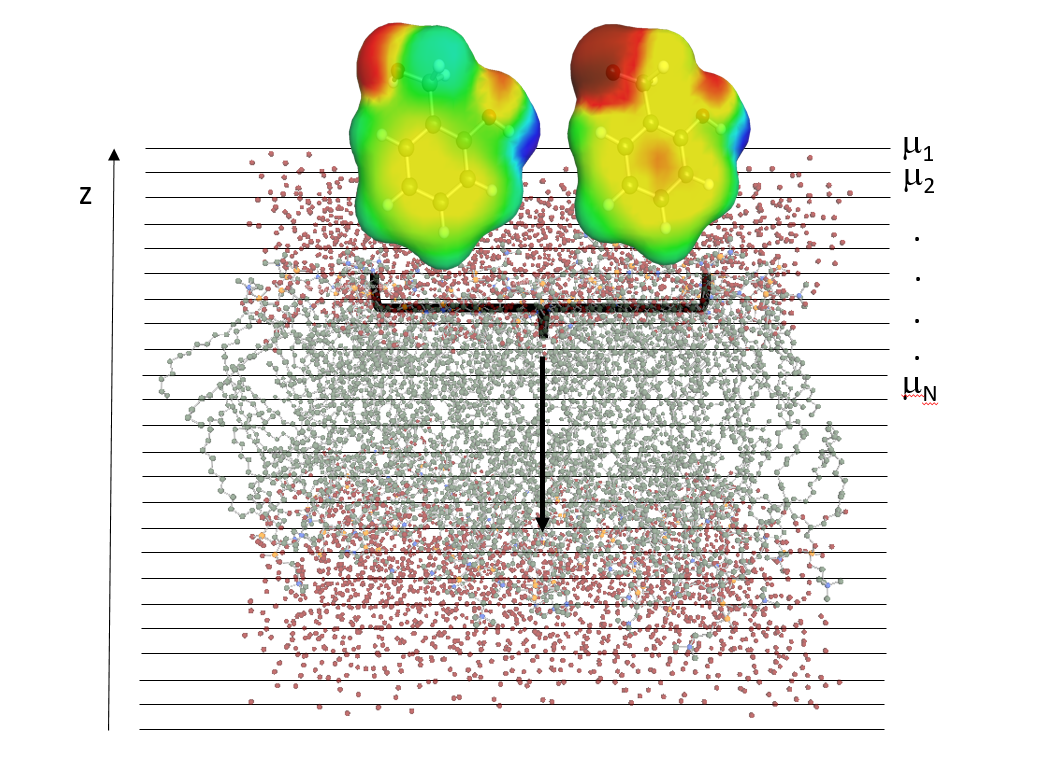
By integrating quantum‑mechanical descriptions of molecular structures and charge distributions with rigorously validated intermolecular interactions, COSMOperm delivers reliable predictions across a spectrum of applications—including cosmetics, industrial chemicals, and pharmaceuticals.
Use the workflow to streamline safety assessments, formulation design, and regulatory submissions.
Biologics
- Permeability, Saturation, and Magnetic Hysteresis: Interpreting B‑H Curves
- Advanced Prediction of Biomembrane Permeability with COSMOperm
- Ensuring Timely Production of New Vaccines and Biologics
- Accelerate COVID‑19 Drug Repurposing with BIOVIA Living Map
- Prevent Vaccine Production Delays: Design, Scale‑Up, and Quality Assurance
- Harnessing In Silico Design for Next‑Generation Biotherapeutics
- Predicting pH-Dependent Uncoupling Toxicity of Organic Acids: A Biophysical Screening Tool
- Pharmacophore‑Guided Virtual Screening Enhances Drug Repurposing for COVID‑19
- Sodium Alginate–Sulfonated Graphene Oxide Membrane: Superior Proton Conductivity and Low Methanol Permeability for Direct Methanol Fuel Cells
- Quaternized PVA/Graphene Oxide Composite Membrane Enhances Ethanol Barrier and Ionic Conductivity for Passive Alkaline DEFCs