



Expert Guide to Cleaning Burnt Aluminum: Safe, Eco‑Friendly Methods
Aluminum is lightweight yet delicate, so it demands gentle care when restoring its shine. Regular washing prevents dirt buildup and stops the formation of aluminum oxide, a corrosion that weakens the metal’s integrity.
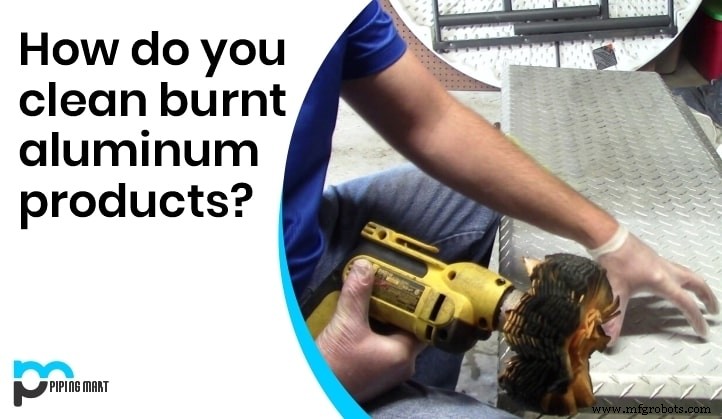
Because aluminum’s surface is smooth, avoid harsh scrubbers that can scratch it. Instead, use a soft cloth or a circular brush with a mild cleaning solution. Over time you’ll notice the metal’s natural luster returning.
While specialty cleaners like Brasso or Bar Keeper’s Friend are available, many household ingredients provide effective, inexpensive, and environmentally friendly alternatives. Below are proven methods to revive burnt aluminum without damaging the metal.
How to Clean Burnt Aluminum
1. Vinegar and Tartar Cream Solution (for bowls and pots)
Fill the aluminum item with water, add 2 tablespoons of tartar cream and ½ cup of vinegar per cup of water. Let the mixture bubble and simmer for 10 minutes. Drain, rinse, and wash with mild soap and hot water. For stubborn stains, a gentle steel wool pad may be used sparingly.
2. Apple Peel Method (for interior stains)
Boil apple peels in a saucepan, reduce heat, and simmer 20–30 minutes. Discard the liquid, let the pot cool, then wash with sudsy water. This natural acid helps lift stains and leaves a pleasant scent.
3. Lemon Juice Alternative
Replace vinegar with fresh lemon juice in the above recipes for a milder, still effective cleaning action.
4. Vinegar‑Water Mix (for larger pieces)
Use a 1:1 ratio of vinegar to water. Wipe the aluminum surface with a damp cloth, buff lightly, then rinse with warm water. This mixture also works well on aluminum drums and outdoor furniture.
5. Borax Boost (for deep cleaning)
Sprinkle a thin layer of borax over the cleaned surface, then wipe with a wet towel. Rinse thoroughly with warm water to remove any residue.
6. Dishwashing Powder Blend (for outdoor aluminum)
Mix moderate dishwashing powder, vinegar, and warm water. Apply with a rag or brush, rinse completely with a hose or clean towel, and let dry.
By following these steps, you can keep your aluminum pots, pans, utensils, and sinks looking pristine for years to come.
Metal
- Choosing the Right Coupling: A Practical Guide to Fit, Performance, and Compliance
- Essential Guide to Maintaining Your Laser Marking Machine
- Professional Guide: Cleaning Aluminum After Welding for a Sleek Finish
- Effective Solutions to Aluminum Chip-Control Challenges in Machining
- Step-by-Step Guide to Cleaning Your 3D Printer Nozzle for Optimal Performance
- Impact of Magnesium Shortage on Aluminum Production: Industry Implications
- Unlocking the Benefits of CNC-Milled Aluminum Enclosures
- Choosing the Right Method for Aluminum Prototype Manufacturing
- The Anodization Process for Aluminum: Enhancing Durability and Aesthetics
- Step-by-Step Guide to Cleaning a Hydraulic Pump for Optimal Performance