



Why 3D Printing Skills Are Essential for Design & Manufacturing Students
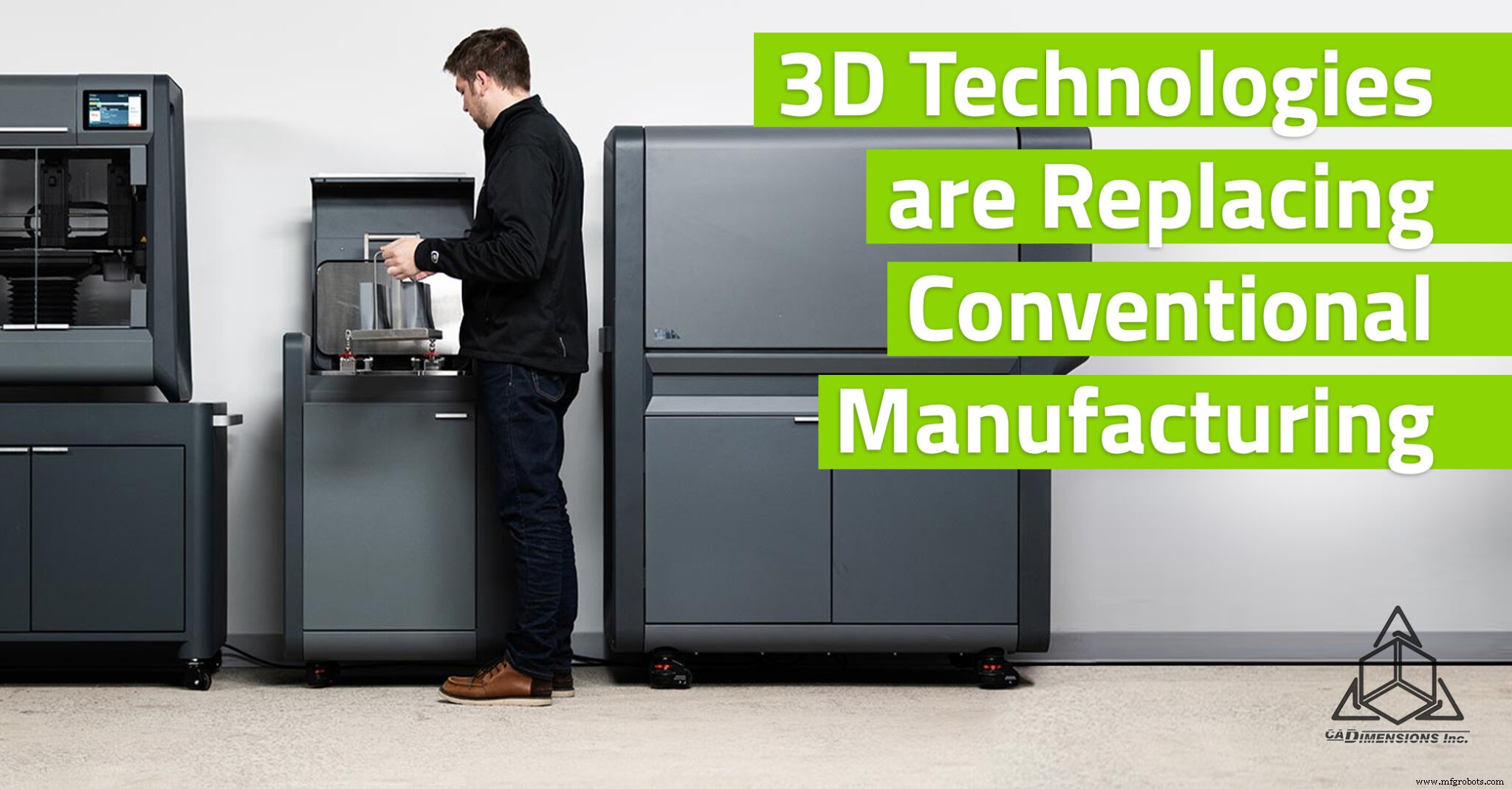
Design & Manufacturing Students Must Master 3D Printing
For over a century, mass‑produced goods have relied on injection molding, casting, and machining. Yet, a new generation of additive‑manufacturing technologies is poised to transform this landscape, offering cost‑effective routes to produce finished parts without traditional tooling.
Companies that build and refine products will increasingly seek designers and engineers fluent in 3D printing, as the industry shifts from conventional methods to rapid, material‑efficient manufacturing.
Three 3D Printing Technologies Set to Replace Conventional Manufacturing
Curious? Below are real‑world examples that illustrate how additive manufacturing is moving from prototype to production.
Stratasys Continuous Build 3D Printer Cell
Stratasys LPM Metal 3D Printer
This printer enables mass production of small metal parts without tooling, combining additive manufacturing with press‑and‑sinter powdered metallurgy.
Desktop Metal Production System
The Desktop Metal Production System marries binder‑jet 3D printing with metal injection molding, delivering high‑volume, high‑quality metal parts.
Other leaders—HP, Carbon, Formlabs—are also accelerating the move away from traditional manufacturing paradigms.
The Critical Role of Hands‑On 3D Printing Experience for Students
These technologies are already in use, and will be more widespread in the coming years. Businesses will only reap the benefits of large‑scale additive manufacturing if their workforce can design products that leverage its unique capabilities.
Hands‑on participation enables students to retain 75% of the information presented, compared to only 5% when a lecture is given.
Source: 7 Benefits of Incorporating Hands‑On‑Learning into Your Classroom Training
Designing for any manufacturing route is complex; 3D printing is no exception. Experiential learning is the most effective way to develop these skills. The statistic above highlights the stark difference between lecture‑based and hands‑on instruction.
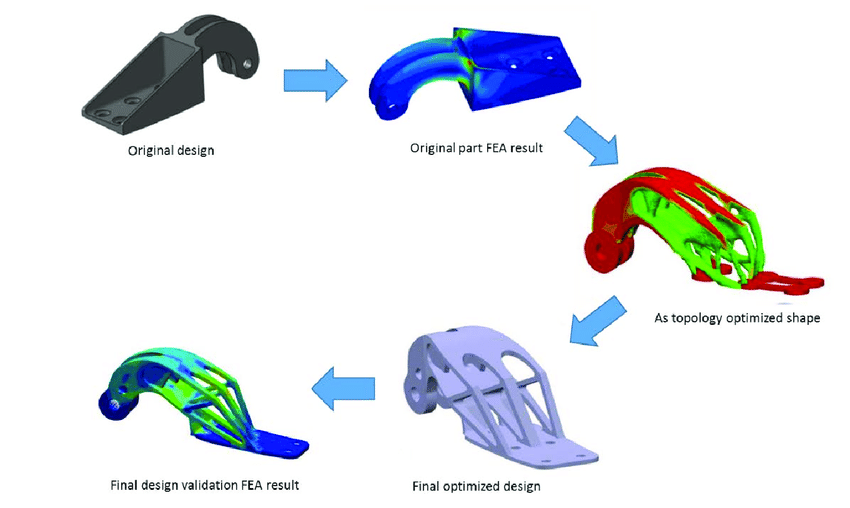
The illustration below contrasts a conventionally designed part with an additive‑manufacturing‑optimized version. The transformation underscores the design flexibility that additive methods unlock.
The Next Step for Manufacturing
Additive manufacturing will disrupt conventional mass‑production sooner than many anticipate. Today’s technologies already compete with established methods, and the pace of innovation shows no sign of slowing.
Employers will demand a workforce proficient in operating 3D printers and designing for them. Without hands‑on training, students risk falling short of future job requirements.
For a leading example of an institution embracing additive manufacturing, visit SUNY New Paltz, where curriculum and labs are fully integrated with industry‑standard equipment.
Want to Learn More?
Request a Consultation
3D printing
- 5 Key Advantages of 3D Printing for Modern Manufacturing
- Virtual Inventories & 3D Printing: Securing the Future of Distributed Manufacturing
- Agile Manufacturing & 3D Printing: A Guide to Rapid, Custom Production
- How 3D Printing Is Revolutionizing Manufacturing: 3 Key Transformations
- 3D Printing: The Future of Manufacturing and Medicine
- Metal 3D Printing 101: How Additive Manufacturing Transforms Production
- Unlocking Innovation: The Key Advantages of 3D Printing in Modern Manufacturing
- Additive Manufacturing & 3D Printing Explained: Key Insights & Applications
- How 3D Printing Will Transform Manufacturing in the Next Decade
- How 3D Printing is Revolutionizing Modern Manufacturing