



How 3D Printing Revolutionized Pattern Making at Latrobe Foundry
Since 1933, Latrobe Foundry has been a family‑owned business, welcoming its fourth generation in 2014. The company specializes in threaded and flanged aluminum pipe fittings for agriculture, chemicals, construction, and marine sectors, traditionally using plastic and wood patterns. With a new West Coast location, the foundry is expanding its reach.
Finding a New Wood Pattern Maker Was Impossible
When the seasoned patternmaker retired, President Ted Steiner realized the challenge of recruiting a skilled wood patternmaker—a rare talent in today’s market. Because one‑third of the production line relies on cast products, each requiring a precise pattern, the company faced a critical bottleneck. The aging wood patterns were prone to wear, causing inconsistent parts and jeopardizing quality control. Outsourcing pattern creation could add “several weeks” to lead times, so Steiner sought an in‑house solution.
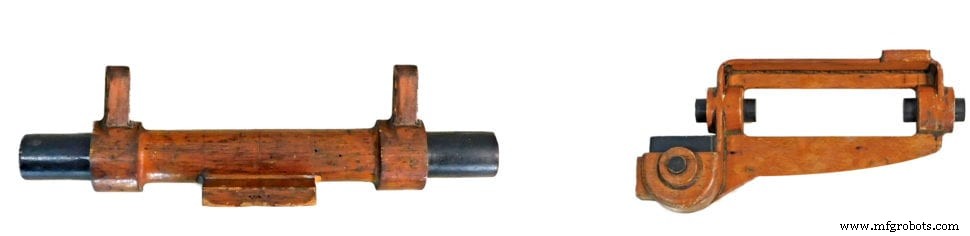
Beyond replacement, the team recognized an opportunity to streamline the entire pattern‑making workflow and enhance product consistency.
How a 3D Printer Replaced the Wood Patterns
Latrobe Foundry invested in a Stratasys F170 3D printer, which transformed pattern production. The new digital approach delivers exact dimensions, eliminating the variability that plagued hand‑crafted wood pieces.
“With the 3D‑printed patterns, all the necessary pieces—sometimes up to ten on one side—are now consistently the same size and the appearance is better. It helps in the machining process because the parts now have the right shape—like a circular end instead of an oval or egg shape, which was common with the manual process. With a circular end, the machinist can find the true center of the piece, allowing them to hold it better and produce a higher‑quality final product. We’re no longer scrapping deformed pieces, saving time and materials.”
– Ted Steiner
3D printing also offers rapid in‑house replacement. When a pattern wears, the foundry simply re‑prints it, keeping production on schedule without costly downtime.
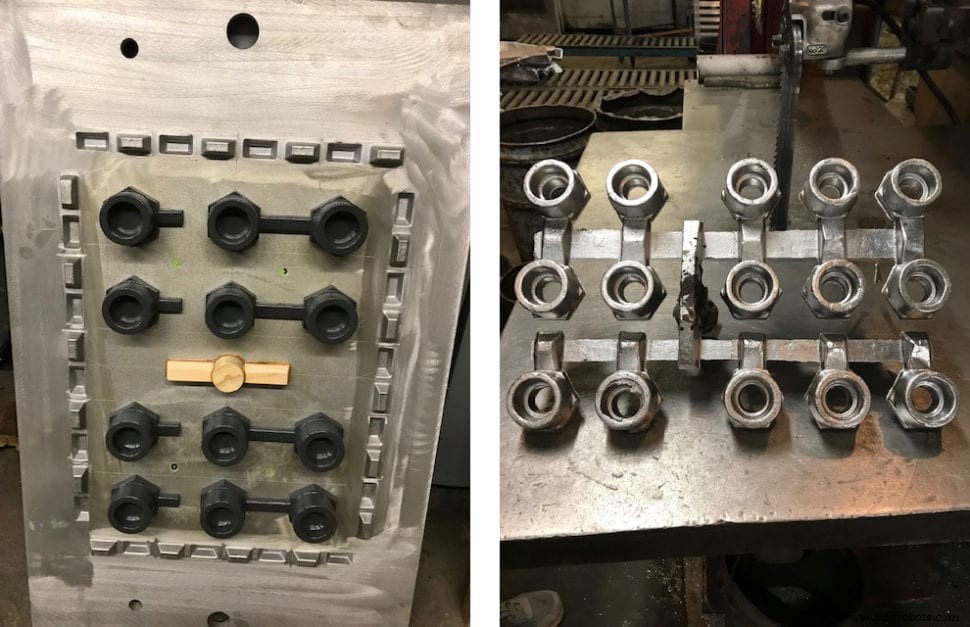
The impact extends beyond the shop floor. Insurance providers appreciate the elimination of wood patterns near the 1,600‑degree furnace, enhancing workplace safety. With ongoing expansion plans, the Stratasys F170 has elevated Latrobe Foundry’s quality, lowered costs, and reduced scrap, ensuring competitiveness across the industry.
Sound good to you?
Get a consultation
3D printing
- Revolutionizing Healthcare: How 3D Printing Transforms Medicine
- How Metal 3D Printing Is Revolutionizing Lightweight Parts for Aerospace and Automotive
- Creating Multi‑Body STL Files for Multi‑Material 3D Printing
- Create a Modern Wooden LED Clock with Arduino Nano and DS3231 RTC
- Expert Guide to Casting Patterns & Patternmaking
- Top 3D Printing Infill Patterns: Which One Offers the Most Strength?
- Master 3D Printing with Wood Filament: Techniques & Benefits
- Choosing Between CNC Machining and 3D Printing for Master Pattern Production
- Wood Filament Revolutionizes 3D Printing with Realistic Textures
- How 3D Printing Enhances Mold Making: Benefits and Innovations