


Industrial manufacturing
Industrial Technology


Jump To: Why Do IPC Standards Matter? Improved Product Quality and Reliability Improved Communication Reduced Costs Improved Reputation and New Opportunities Terminology You Should Know A History of IPC Standards Examples of IPC Standards Our Commitment to Quality As manufacturers of print
Jump To: PCBA Terminology | Through-Hole Assembly | Surface Mount Technology | Mixed Technology | PCB Manufacturing at Millennium Circuits Limited The printed circuit board (PCB) assembly process consists of various steps and guidelines that must b
Quick Links: What Is ENIG Black Pad? | What Causes Black Pad? | How to Prevent Black Pad | How to Fix Black Pad<| Is Black Pad Still an Issue for ENIG? Across consumer electronics and all other industries that rely on well-manufactured printed circuit boards — or PCBs — the ability of
We can use flexible circuits in a variety of applications. They can safely bend into small and complicated electronics, making them suitable for modern devices like smartphones. They absorb shock and vibration easily in high-stress applications. Rigid-flex circuits combine standard circuit
Jump To: What Are Gold Fingers How Are Gold Fingers Used Gold Finger Specifications You Should Know PCB Gold Finger Beveling How Gold Fingers Are Changing the World In today’s computerized and mobile-activated world, signals are sent between numerous devices. For each command
Jump To: Why PCB Testing Is Necessary? What Is Being Tested? Types of PCB Testing Methods How to Protect Your PCB With Better Designs Choose Millenium Circuits Printed Circuit Board Testing Methods Guide The last thing any designer wants is to discover last-minute that their product is f
Jump To: What Is a Ground? Grounding Terminology PCB Grounding Techniques What to Remember When Grounding Ensure Everything Is Attached Keep Your Ground Layer Whole Minimize the Use of Series Vias Have a Common Ground Point Grounding is a critical concept for any electronic circuit and an
One of the final decisions you may make when it comes to your printed circuit boards is whether to go with a shiny solder mask, also called a glossy finish, or to opt for a matte finish. PCBs function equally well with a glossy finish or a matte finish, so this decision is not critical. In many case
Specifications About Hole Plating: What You Need to Know About the Plated Through Hole Process Do you need PCB hole plating, or can your printed circuit boards survive without it? You have probably heard arguments for both. Here’s what you need to know about the benefits and risks of hole plat
If you use printed circuit boards in your business applications, you may have heard about the idea of via tenting in printed circuit board construction. What is via tenting, and should you tent your vias in your PCBs or not? What Does It Mean to Tent a Via? The vias are the holes in your printed cir
When it comes to your PCB via fill, you have two choices. You can opt for a conductive fill or a non-conductive fill. What are the benefits and disadvantages of each option? Why would you choose one over the other? Conductive Via Fill If you choose to fill your vias with conductive epoxy, your main
Certain applications require flex or rigid-flex printed circuit boards to function. These are devices that are particularly small or unusually shaped, so that you must bend the printed circuit board for it to fit inside the device. Naturally, there are certain parameters you will want to know about
What you need to know about Interconnect Defects (ICDs) Inner-layer separation, or interconnect defects (ICDs), can lead to circuit failure in PCBs. To create a fully functional PCB, a manufacturer must look out for ICDs and their causes. Here is a look at ICDs and how manufacturers prevent and
When creating a PCB for high voltage DC bias, standards and precautions become much more stringent. High voltage PCB materials and design for arc prevention ensure the final product is safe and functional. Avoid increased costs and danger by keeping these PCB materials and design tips in mind. PCB M
PCB Ionic Contamination Approximately 15% of PCBA failures occur due to contamination. Ionic contamination can cause multiple issues that lead to defective PCBs. Testing the bare board for ionic contamination before completing assembly reduces the risk of defects caused by contaminants. This gu
Outgassing, also known as offgassing, results in defects during production and use. While unavoidable in certain applications, outgassing must be prevented or mitigated to ensure a functional final product. Learn more about outgassing and what manufacturers can do to prevent or reduce it. What Are P
Before choosing a PCB supplier, companies should make time to audit their options. This information-gathering process will help you stay on top of the competition and offer a quality end product. Discover how to evaluate potential suppliers for your PCBs and other electronics in this guide. What Is
Printed circuit boards would not function without vias, the conduits that transfer signals between PCB layers. During PCB production, the manufacturer adds a layer of copper to the board substrate. This copper layer not only makes the traces conductive but also connects each PCB layer betw
PCBs power many industries and devices in our society. As our technology develops, so does our need for different types of PCBs. As you choose between a single layer and multilayer PCB, the options might seem overwhelming. It’s important to understand the pros and cons of each option before yo
When you read information about PCBs, you may see the terms “single-sided,” “double-sided” and “multilayer” used often. The circuit board industry uses these categories to determine the complexity of a board’s structure. Each type of PCB has different price
Industrial Technology
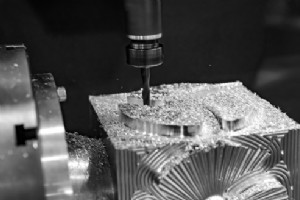
Eliminate Chatter in CNC Milling: Expert Tips to Reduce Vibration & Boost Precision

STMicroelectronics Launches LaSAR Alliance to Accelerate AR Smart‑Glasses Development
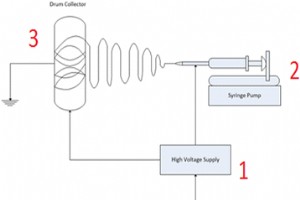
Electrospun TiO₂–Carbon Nanofiber Support Enhances PtRu Catalysts for Direct Methanol Fuel Cells
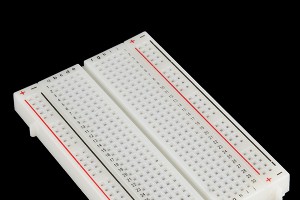
Build a Reliable LCD Stopwatch with Arduino Nano – No Potentiometer Needed
