Industrial manufacturing
Industrial Technology

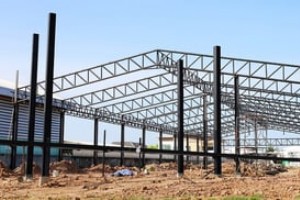
Standard prefabricated steel buildings are a collection of several different components which are engineered and manufactured at a steel fabrication shop and delivered to the job site for assembly. Each component is designed by an in-house engineer and will be p
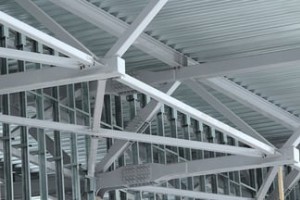
When you are designing your building, you may run into people with opinions about structural steel and the risks of using structural steel for your building. In fact, most of these misconceptions are easily debunked, and are usually only shared to dissuade you f
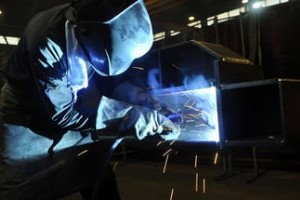
Times are tight for everyone, and all businesses are looking to save money. Comparing quotes and finding the most economical solution is something that every company needs to do when beginning a new project. However, this doesn’t mean that cheaper is always bett

The most common steel storage tanks for storing oil, vapors, and other organic and non-organic liquids are the API 620 and 650. The American Petroleum Industry (API) has established standards for design, fabrication, and construction of these storage tanks. Both
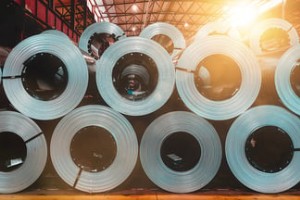
Every fabrication project is unique and different steel will work better based on the applications where it will be used. When you ask which steel is better, galvanized or stainless, there is no one right answer without looking at the details of your fabrication

A properly sandblasted surface is essential prior to any coating system that will be used on metals. The fabricated metal cannot be finished until it is properly cleaned through sandblasting. The preparation will remove any contamination which affects adhesion o
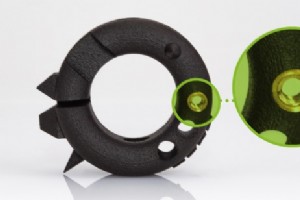
There’s one fundamental thing you need to know about threading and assembling inserts into 3D-printed parts: What you can and can’t manufacture depends on the material properties of both the part and the insert. A second thing to keep in mind: It pays to design for standard taps and inse
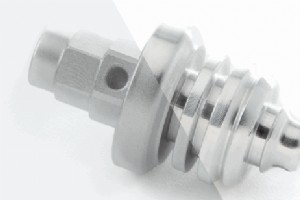
Machining of metal or plastic plays a huge role in parts production. In many cases, machined surface finishes are more than adequate for end-use applications, but because part surfaces are cut, rather than cast or molded, the standard (as-machined) surface finish sometimes needs to be mo
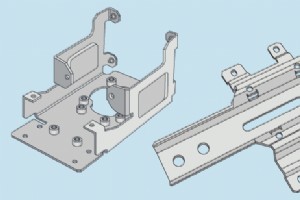
Incorporating design enhancements to your sheet metal parts serves a variety of purposes beyond adding aesthetic value. Although, some features do tend to give sheet metal parts a highly cosmetic and finished look. Two commonly used and recommended sheet metal design features on the corn
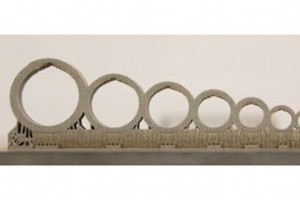
A lot of people think that you can create virtually any shape your mind can imagine using 3D printing technology. OK, so that’s sort of right, but not entirely. The hard part is coming up with aesthetically beautiful designs that also are functional for your application, structurally sou
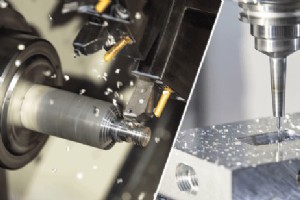
Relationships, whether personal or in business, are all about mutual respect. We see tens of thousands of CAD files for machined parts every year. We can tell instantly when someone has been thinking carefully about machining in their designs. When we see that process understanding, we k

There are a lot of design elements we love seeing in models destined to become injection-molded parts. Sometimes, we get models that just nail it. You can tell the designer/engineer has an excellent sense of what you can and can’t do with the process, and it all starts with solid k
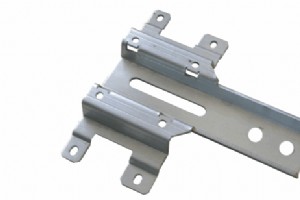
If you’ve worked with us in the past for your sheet metal parts, you know that we’re all about efficiency–getting your quick-turn parts to you…well, quickly. There are a handful of design best practices our customers can keep top of mind to ensure a smooth process from design upload to t
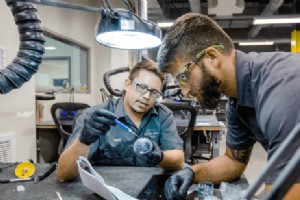
It’s no secret that 3D printing processes don’t produce injection molding-quality surface finishes right off the printer, but there is good news. Technologies exist to help, and there are new developments all the time. As post-processing becomes less manual and more automated, the cost o
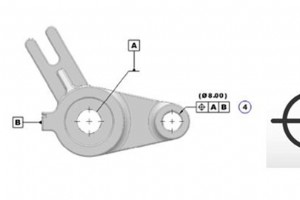
The world of quality in the manufacturing industry is a big, complex place. From industry certifications to dimensional verification and process validation, there are tons of variables to consider. In most cases, these quality processes are critical to ensuring stability in each manufact
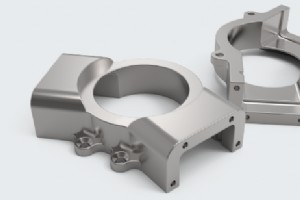
The crisp, sharp edges in 3D models don’t always translate well to the real world and real-world objects. Rounded corners and edges are easier on the eyes, according to experts. They also make parts and products easier to handle—and (arguably) safer. A newly machined metal part can end
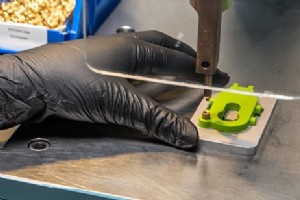
Applications for threaded inserts in injection-molded parts abound. They are common features that show up in a range of industries and in a variety of parts—housings, casings, electronic enclosures, appliance knobs and dials, etc. The two methods we use at Protolabs for threaded inserts,

When designing parts for injection molding, you may need to consider finishing options, which can help improve a part’s mechanical properties, enhance surface finishes, facilitate the final assembly process, or just further customize your part or parts. A common finishing option that see
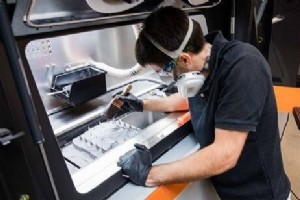
Jigs and fixtures often serve as key production floor manufacturing tools that can help streamline part assembly, create efficient workflow processes, improve overall manufacturing quality, help reduce production costs, and automate work. This post takes a look at the difference between
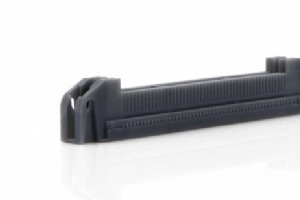
Additive manufacturing, and specifically modern 3D printing, has come a long way since its initial development in 1983. Today’s 3D-printed parts can achieve high resolution and tolerances. Two of the more common techniques are stereolithography (SLA) and fused deposition modeling (FDM).
Industrial Technology