Industrial manufacturing
Industrial Technology

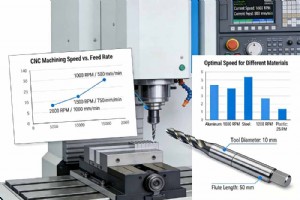
CNC machining depends on G-code, which provides machine tools with movement and operational instructions. For precision manufacturing providers like JTR Machine, G-code serves as the technical language that connects digital design with physical production. The process of creating effective G-
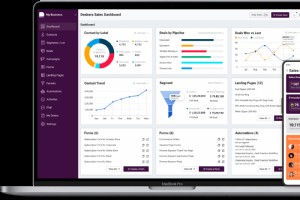
The fashion industry is fast-paced and ever-evolving, driven by trends and customer demands. Managing the complexity of fashion operations can be overwhelming, but ERP software is here to streamline processes and boost efficiency. ERP solutions have become indispensable for fashion businesses, from

As a steel factory manager, you want higher output without rising costs. A Schedule of Rates (SoR) standardizes rates for materials, services, and labor, so budgeting and pricing stay consistent. The challenge is keeping rates accurate when market prices shift. Small scope or measurement errors can

Do you know that according to Worldmetrics, the right Manufacturing Execution System (MES) can deliver impressive benefits, including a 17.2% reduction in Overall Equipment Effectiveness (OEE), a 22% reduction in manufacturing cycle time, and a 10-20% reduction in total manufacturing costs? Choosing

Food packaging technologies is driving rapid innovation across the industry as brands respond to shifting consumer preferences and growing demand for packaged foods. Did you know that the global food packaging market is projected to reach $411.3 billion by 2026? To remain competitive amid rising dem
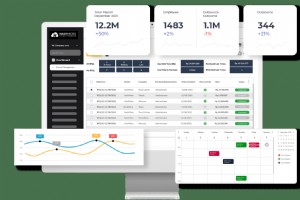
Singapore’s food manufacturing industry is thriving, contributing $5.26 billion to GDP in 2022 and projected to reach $13.5 billion in revenue by 2023. With the Food Manufacturing Industry Transformation Map (ITM), Singapore is positioning itself as Asia’s leading food and nutrition hub. From my wor

Garment ERP software is a comprehensive digital solution designed to help garment manufacturing companies manage production, inventory, and resources more efficiently. Garment manufacturers play a vital role in the global textile and fashion industry. Key to their success is effective resource manag
One of the most common challenges in manufacturing is the lack of effective product traceability, which refers to the ability to track a product’s history, location, and movement throughout the supply chain. Without it, companies face significant risks during product recalls or regulatory audits. De

Cloud-based manufacturing software streamlines production by centralizing data, enabling real-time collaboration, and supporting smarter decisions. In Singapore, the manufacturing sector is experiencing rapid growth, with over 54% of manufacturing businesses planning to invest more in software by 20
In Singapore, where infrastructure, facilities, and industries operate with clockwork precision, maintenance management is the silent engine that keeps everything running smoothly. From high-rise buildings to advanced manufacturing plants, efficient maintenance practices ensure safety, reduce downti
Many manufacturing issues begin early in the process often due to product designs that are difficult or costly to build. Design for Manufacturability (DFM) addresses this by ensuring products are easier, faster, and more cost-effective to produce. Research shows that design decisions influence up to
With the growing complexity and demands of asset-intensive industries, many organizations are adopting predictive maintenance software to optimize performance, minimize downtime, and improve operational efficiency. Choosing the right solution enables better monitoring of equipment health, enhances v
What happens when your production line cannot adapt to sudden changes in demand or product design? Many manufacturers still rely on rigid systems that slow response times and increase costs. These limitations make it harder to stay competitive in fast-changing markets. A flexible manufacturing syste
Why can some companies lead the market while others struggle to produce successful products? The difference often lies in how effectively they manage each stage of the product lifecycle from concept and design, through launch, to withdrawal from the market. Product Lifecycle Management (PLM) first e
How do factories produce thousands of identical products so quickly? The assembly line has long been the core of mass production. It boosts efficiency but also faces issues like bottlenecks, downtime, and coordination errors. The International Labour Organization (ILO) notes that minor disruptions c
Have you ever wondered why some companies manage to meet deadlines, control costs, and maintain customer satisfaction, while others constantly face delays and waste? The difference often lies in how well they manage production control. Simply put, production control focuses on ensuring that every st
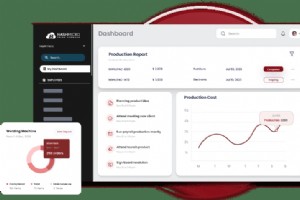
Batch processing is a way to handle large volumes of data or tasks in groups instead of one by one. Although common in manufacturing, finance, and IT, it often faces issues like delays, data errors, and limited automation. According to a report by Research and Markets, the global batch management s
Are you constantly putting out fires on the production floor? Does your team struggle to keep operations flowing smoothly? One unexpected production halt can disrupt schedules, inflate costs, and harm customer trust, especially in fast-paced manufacturing environments. Downtime can impact productivi
In modern manufacturing, efficiency is crucial for staying competitive. Single-Minute Exchange of Die (SMED) is a lean technique that reduces machine setup times, enabling production changes to occur in minutes instead of hours. Research by McKinsey indicates that companies implementing lean methods
Custom manufacturing has become a key strategy for many companies in 2026, especially to meet the growing demand for product personalization. However, businesses often face high production costs, long lead times, and difficulties maintaining consistent quality. According to a Deloitte report, more t
Industrial Technology