Industrial manufacturing
Manufacturing process


“Lights-Out” manufacturing is a manufacturing method (or concept), not a specific process. The factory using “Lights-Out manufacturing” is fully automated and does not require on-site personnel. These factories are believed to be able to operate “light off”. Man
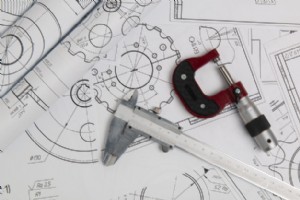
Accurate measurement is very important for CNC precision machining parts. Micrometer is a common measuring tool for machining parts. This article introduces the definition of the micrometer, learns the types and basic components of the micrometer, and more importantly, quickly obtains the r

In 2019, the added value of China’s manufacturing industry reached 26.9 trillion yuan, accounting for 28.1% of the world’s total, maintaining its position as the world’s largest manufacturing country for 10 consecutive years. In the past five years, the quality of China’s
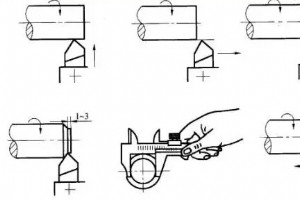
Machining accuracy refers to the degree to which the actual geometric parameters (size, shape and position) of the part after processing conform to the ideal geometric parameters specified in the drawing. The higher the degree of conformity, the higher the machining accuracy. In machining,
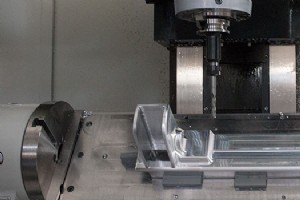
Aluminum alloy is now used in many fields and is an essential raw material in the CNC machining industry. However, compared with other metals, it has low hardness and huge thermal expansion value, which makes the processing of aluminum alloy precision parts prone to product deformation. There ar
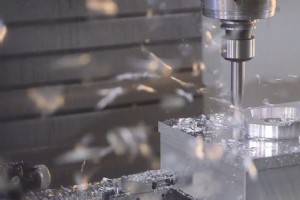
With the continuous progress of social production and science and technology, new products emerge in endlessly. The machinery manufacturing industry is the foundation of the national industry, and the products are becoming increasingly sophisticated and complex, especially in important industrie
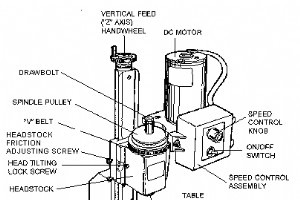
Milling is one of the most commonly used processes in the metal manufacturing industry today. It is used to produce some of the most common and important products we use every day. Milling is the use of rotating cutting tools to remove material from a fixed workpiece. During milling, the workpie
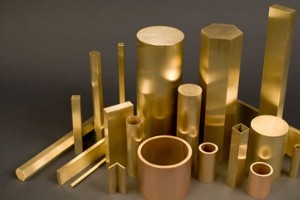
Brass Machining Parts Introduction Brass is an alloy formed of copper (Cu) and zinc (Zn). According to a given variation, different types of brass (each with specific characteristics) can be obtained. For industrially processable brass, the percentage of zinc must not exceed 40%, and is usually
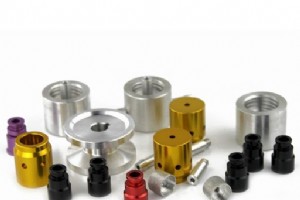
Aluminum anodizing is a very durable post-treatment method. It can not only enhance the performance and appearance of the part, but also better bond the primer and glue. Anodized surface treatment makes aluminum one of the most popular materials in the production of thousands of consumer, commer
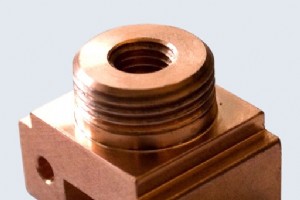
Although copper, brass, and bronze are completely different alloys, they may appear the same at first because they have many common features, so they are often collectively referred to as red metals. Copper The minimum copper content of the copper alloy is 99.3%. They are good thermal and electr
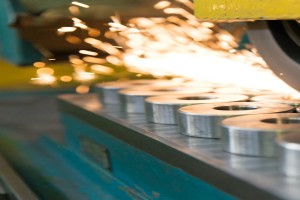
What is Precision Grinding? Precision grinding is a precision manufacturing process widely used in various fields. Precision grinding provides an effective method to complete the manufacturing and finishing of metal parts with very tight and tight tolerances. It is typically used as the one of f
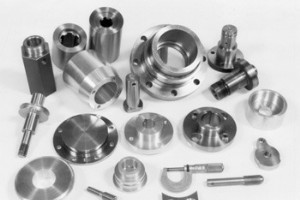
Introduction People call alloy steel with chromium content greater than 12% or nickel content greater than 8% as stainless steel. This steel has certain corrosion resistance in the atmosphere or in corrosive media, and has high strength at higher temperatures (>450°C). Stee

What is Tolerance? Machining tolerance, also called dimensional accuracy, is the acceptable amount of variation in the size of a part. This is expressed as the maximum and minimum size limits of the part. If the size of the part is within these limits, the part is considered to be within the tol

Precision machining is a machining method with a machining accuracy of 1 micron. Precision machining is achieved in a specific strict environment, specified process regulations, and using precision machine tools, precision measuring tools, and measuring instruments. Metal processing mostly adopt
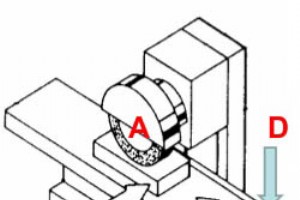
Surface grinding is a finishing process that uses a rotating grinding wheel to smooth the surface of the material, smooth the surface of metal or non-metal materials, and make them look more refined. The most commonly used abrasive materials for the surface of grinding wheels include: alumina, s
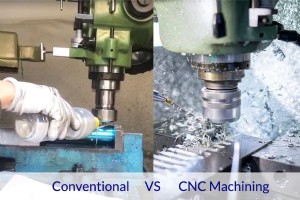
Numerical control processing technology originates from conventional processing technology and is an organic combination of conventional processing technology, computer numerical control technology, computer-aided design and auxiliary manufacturing technology. Due to the continuous development o
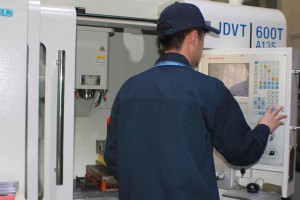
In actual operation, CNC machine are mainly used to manufacture workpieces, and the workpieces usually have extremely high machining accuracy. If you want to improve the machining accuracy of the CNC machine itself, you must analyze the errors that may occur in each step of the CNC machinin

With the development of science and technology, machinery manufacturing technology has undergone profound changes. As society’s demand for product diversification is stronger, the proportion of multi-variety, medium and small batch production has increased significantly, and it has been difficul
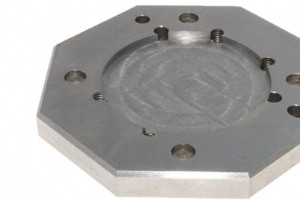
Unless otherwise stated, CNC machined parts will have a “milled” surface finish. Due to the decremental nature of CNC, small tool marks will appear on the surface of the workpiece after processing. Therefore, many parts require additional processing to obtain the desired surface char
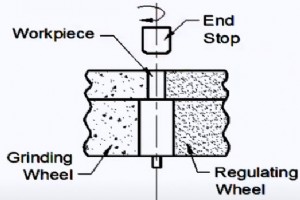
Centerless grinding is the outer diameter grinding process, sometimes we call it OD grinding. Centerless grinding is a process used to remove material from a workpiece and is usually used for operations that must process many parts in a short time. What is Centerless Grinding? In centerless grin
Manufacturing process