



Run‑to‑Failure Maintenance: A Strategic Approach to Planning and Cost‑Efficiency
Run‑to‑failure maintenance is a proactive strategy that schedules repairs only after equipment fails. Unlike unplanned, reactive interventions, a well‑designed run‑to‑failure program is intentional and cost‑efficient. Whether it is the right choice depends on the equipment and operational context. In this article we examine scenarios where run‑to‑failure is suitable and explain how a CMMS can support its implementation.
Reasons for Choosing Run‑to‑Failure Maintenance
Probability of Failure
Equipment exhibits distinct failure patterns. Some units deteriorate with age, while others fail early due to manufacturing defects or improper installation. These patterns can be visualized on reliability curves.


Reliability Centered Maintenance (RCM) research identified additional failure modes. See the following examples:
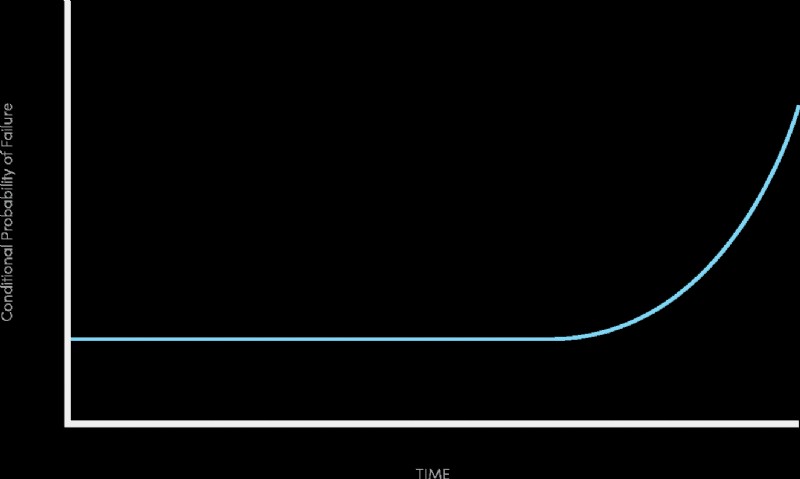
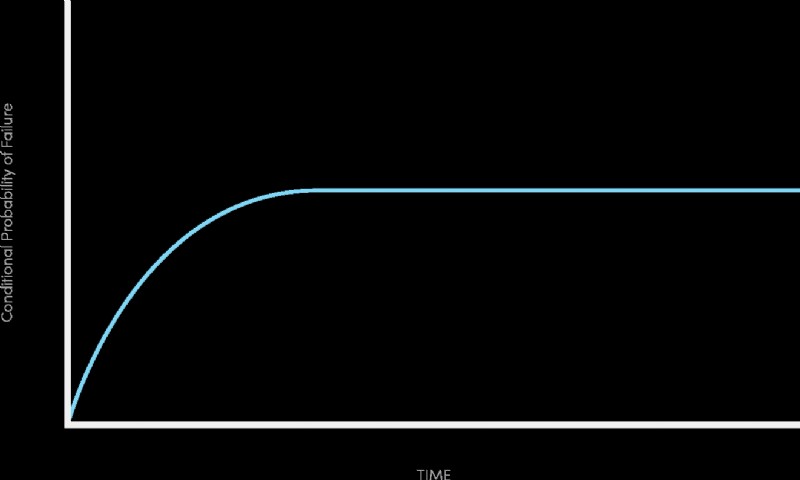
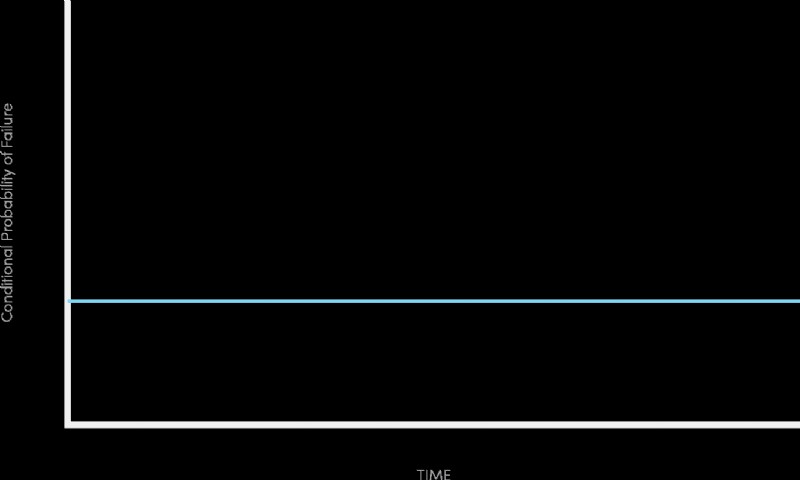
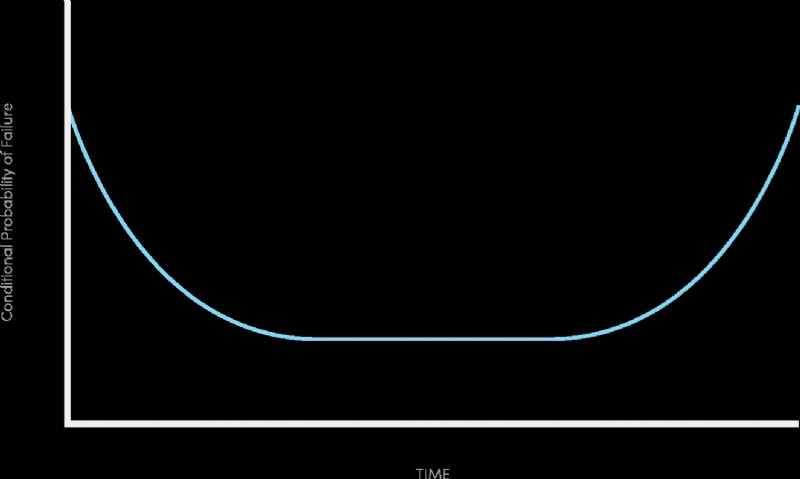
Run‑to‑failure is most appropriate when the conditional probability of failure remains low over time—examples include the curves illustrated in (b) and (e). In such cases, the cost of scheduled preventive work may outweigh the benefits.
Low Equipment Criticality
Assets that pose minimal safety or financial risk when they fail—such as a rooftop lightbulb—are strong candidates for run‑to‑failure. Any equipment whose failure does not threaten personnel safety or cause significant revenue loss can be considered for this strategy.
Access Challenges for Preventive Maintenance
When preventive service is impractical—due to height, confined spaces, or remote locations—run‑to‑failure can be a pragmatic interim solution. Until infrastructure or tooling improves, maintaining equipment only after failure can reduce downtime and labor complexity.
Cost Considerations
Run‑to‑failure may be the most economical approach when the total cost of preventive maintenance exceeds the projected failure cost. Ensure that your analysis captures all direct and indirect expenses: lost production, customer dissatisfaction, re‑work, and downtime penalties. A comprehensive cost comparison will clarify whether a run‑to‑failure plan truly saves money.
Planning Your Run‑to‑Failure Strategy
Even when run‑to‑failure is chosen, rigorous planning is essential. Treat it the same way you plan scheduled maintenance: define responsibilities, inventory critical spares, and outline the exact tasks required to replace a failed component. The only difference is that you no longer predict when the work will occur; instead, you prepare for the inevitability of failure.
Without a plan, a failure forces an ad‑hoc response that can cascade into wider production disruption. A well‑structured run‑to‑failure plan turns an unexpected outage into a manageable, predictable event.
Leveraging a CMMS for Run‑to‑Failure Maintenance
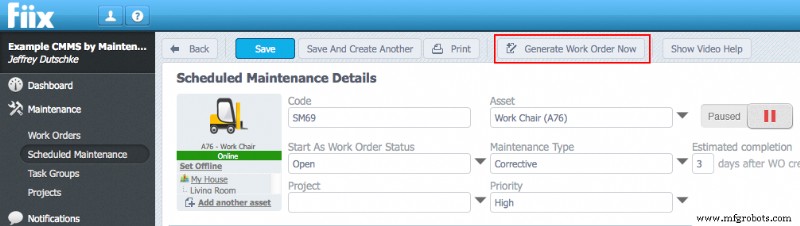
A CMMS can capture your run‑to‑failure strategy in a scheduled‑maintenance template. When a failure occurs, the template generates a work order with all the necessary details—responsible personnel, required parts, and step‑by‑step procedures—ensuring consistency and speed.
Conclusion
Run‑to‑failure is a legitimate, cost‑effective maintenance strategy when applied thoughtfully. It differs from reactive, unplanned maintenance in that it is underpinned by data, cost analysis, and comprehensive planning. With the right conditions and a robust CMMS workflow, run‑to‑failure can become a valuable tool in your maintenance arsenal.
Equipment Maintenance and Repair
- EISA Regulation: Transition to NEMA Premium Standards for Hazardous Location Motors
- 10 Common Speaking Pitfalls – How to Captivate Any Audience
- Rumiano Cheese Company Partners with eMaint to Enhance Quality & Compliance
- Preventative Truck Maintenance: Long-Term Benefits That Drive Performance and Save Costs
- P‑F Curve Explained: Mastering Reliability‑Centred Maintenance
- Transform Your Plant: A Proven Path to Data‑Driven Manufacturing
- Facility Inspection & Production Rounds: Enhancing Safety and Efficiency
- 5 Critical Risks That Undermine Asset Management Success
- Reliability‑Centered Maintenance (RCM): A Maintenance Manager’s Blueprint for Cost‑Effective Asset Performance
- Reevaluating OEE: Are Speed, Quality, and Uptime Truly Equally Weighted?