



High Vibration in New Centrifugal Pump Traced to Faulty Motor Mounts
During the installation of a 150‑gallon‑per‑minute centrifugal pump powered by a 125‑hp motor, the unit produced alarmingly high vibration levels on its very first start‑up. After several days of meticulous alignment checks, pump teardowns, bearing inspections, motor‑uncoupled runs, and vendor technical support, the cause remained elusive.
The plant’s maintenance manager requested a vibration analyst to conduct an independent assessment. The analyst’s measurements revealed extreme horizontal vibration—about 1 in/s at the motor bearings—while vertical vibration was only 0.2 in/s, strongly suggesting directional resonance.
Upon shutting down the unit, a visual inspection of the motor support structure uncovered a critical flaw: twin “C” channel beams ran parallel to the foundation, supporting only the front and back feet of the motor, with a 6‑inch gap beneath and no cross‑support. 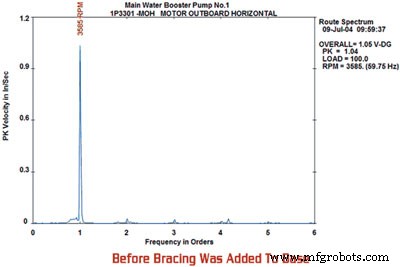
Graph 1. Vibration readings before bracing was added to the base.
To confirm resonance, the analyst performed a bump test. By striking the motor with a three‑pound rubber hammer, a natural frequency of 3,600 RPM in the horizontal direction was identified. The motor’s operating speed—3,585 RPM fully loaded—matched this natural frequency, creating a resonant condition that amplified vibration.
After temporarily stiffening the support with a portable power ram, the unit was restarted. Horizontal vibration dropped from 1 in/s to 0.085 in/s, validating the inadequate mount design.
The permanent solution was to weld bracing across the “C” channel at both the front and back foot areas, forming a rigid box support. This modification eliminated the resonance and reduced vibration levels to negligible values—all within three hours of troubleshooting, compared to the three days of repeated teardowns that had preceded it.
These findings highlight the risks of insufficient installation specifications. Without detailed guidelines, vendors can inadvertently create resonant setups that accelerate component failure. Acceptance testing of new installations—and rigorous vendor oversight—are essential practices for safeguarding equipment and ensuring long‑term reliability.
Our organization is now adopting new installation protocols aligned with the American Petroleum Institute’s Recommended Practice 686, alongside comprehensive root‑cause analysis and acceptance criteria for both new and rebuilt equipment.
Equipment Maintenance and Repair
- PdMA and Snell Group Offer Certified Motor Circuit Analysis Training
- Proactive Condition Monitoring: Root‑Cause Analysis of a 450‑HP Electric Motor Failure
- Predictive Vibration Analysis Saves Machines—and Money
- How Vibration Analysis Detects Bearing Wear in Industrial Chillers
- Dynamic Motor Monitoring: Detecting Mechanical Faults Before They Cause Downtime
- Using Vibration Analysis and Cross‑Channel Phase to Spot Equipment Issues
- Vibration Analysis Fundamentals: A Practical Guide for Predictive Maintenance
- How Vibration Analysis Drives Predictive Maintenance Success
- Polyurethane: Transforming Motor Mounts for Superior Vehicle Performance
- Mastering Vibration Analysis: A Data‑Driven Strategy to Eliminate Machining Chatter