



Why Functional Diversification Drives Plant Reliability Success
In the plant reliability community, we recognize that traditional diversity—race, gender, ethnicity—enhances decision‑making by broadening perspectives and fostering creativity. Yet, an equally critical dimension is functional diversity: bringing together professionals from all areas that shape or are shaped by reliability.
Historically, reliability initiatives have been led almost exclusively by maintenance teams. That narrow focus limits the value we can extract from plant reliability management and leaves many stakeholders underrepresented.
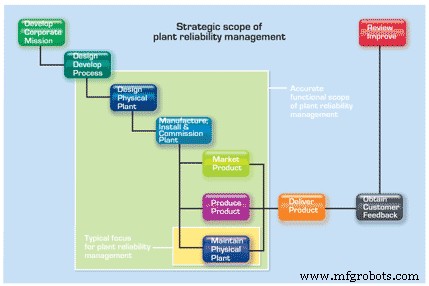
Figure 1. Components that collectively determine plant reliability.
The SMRP Diversity Committee is dedicated to expanding both the traditional and functional dimensions of diversity within our profession. This article explains why engaging every functional discipline—design, procurement, sales, operations, finance, IT, and senior leadership—is essential for realizing the full benefits of reliability management.
Role Playing: Expanding the Scope of Reliability
While maintenance’s core mandate is to restore equipment performance, true reliability hinges on a holistic approach that spans plant, process, and equipment design; procurement; sales and marketing; operations; and executive oversight.
Design, Manufacturing, Installation & Commissioning (DMIC)
Design is the genetic blueprint; manufacturing and installation are prenatal care; commissioning is early childhood nutrition. Just as a human’s DNA and early life shape health, DMIC determines reliability throughout an asset’s life cycle.
Many firms chase the lowest upfront purchase price, neglecting long‑term cost of ownership. Embedding reliability, operability, and maintainability from day one requires a cross‑functional team that includes design engineers, procurement specialists, and maintenance planners. Without their input, reliability suffers, affecting availability, yield, quality, safety, and operating costs.
Sales & Marketing
Sales teams define demand volume, product mix, and delivery expectations—factors that directly influence reliability. Uninformed sales strategies can introduce customization demands that increase changeover times or disrupt throughput, jeopardizing margins.
Contracted delivery dates also pressure the plant. Machines perform best under steady, continuous loads; abrupt spikes or dips can erode reliability. Negotiating realistic schedules—or occasionally walking away—protects both profitability and equipment life.
In hot markets, sales pressure can drive orders before reliability is assured. The risk of failure rises linearly over time as maintenance lapses, misoperations, and time‑dependent failure modes accumulate. Periodic outages become essential to mitigate this risk.
Procurement & Supply Chain
A 10‑year Georgia Tech study found that supply‑chain disruptions cut profits by 31 %, sales by 1.2 %, and raise costs by 1.7 %. Internal issues account for 33.6 % of disruptions, suppliers 14.5 %, and customers 12.8 %. Procurement and supply chain management therefore sit at the heart of reliability challenges.
Lean manufacturing aims to minimize inventory buffers, but near‑just‑in‑time (JIT) practices eliminate the safety net that protects against downtime. Excessive part variability or too few suppliers can introduce waste and unreliability—square pegs in round holes.
Production & Operations
Reliability’s ultimate metric is Overall Equipment Effectiveness (OEE), the triad of availability, throughput, and quality. Production and operations leaders own OEE at every level—plant, line, and machine—while maintenance merely restores it. A truly reliable plant demands ownership of OEE from every operational role.
Senior Management
Many executives equate reliability with maintenance and cost, overlooking its role in driving Return on Net Assets (RONA), Economic Value Added (EVA), and share‑price growth. Reliability, through OEE, directly fuels these financial metrics. Senior leaders must grasp this link and champion cross‑functional reliability initiatives.
Without their support, functional diversification stalls. Yet, even a limited senior‑level understanding is vital to secure resources and institutional backing.
To fully realize the potential of plant reliability, SMRP must broaden its membership to include experts from every function that influences reliability.
We invite you to collaborate with the SMRP Diversity Committee—both in traditional diversity and, crucially, in functional expertise—to elevate our profession and deliver sustained operational excellence.
Equipment Maintenance and Repair
- Why Tantalum Is a Cornerstone of High‑Performance Materials
- Eli Lilly BHI Plant: A Reliability Success Story
- 12 Pillars of Effective Reliability Management
- Rebuilding Reliability at Century Aluminum’s Ravenswood Smelter
- Why Human Engagement Drives Reliability Success
- 4 Critical Reasons Spare Parts Management Drives Business Efficiency
- Why Fleet Management is Critical for Business Success
- Business Process Management: Definition, Benefits, and Strategic Value
- Field Service Management Explained: Why It Drives Business Success
- Logistics Management Explained: Key Benefits for Modern Businesses