



The Definitive Guide to Managing Planned Downtime for Reliable Production
Preventive maintenance is the most popular strategy in manufacturing because it delivers tangible benefits without imposing excessive cost or complexity. Yet, it is not without challenges.
One common concern is that it can lead to excessive inspections, causing technicians to spend time on assets that may not yet need attention. More critically, many preventive tasks require the asset to be shut down, meaning you must schedule planned downtime.
Because no one wants to pause production during peak hours, it’s essential to develop a maintenance schedule that accommodates operational constraints while minimizing downtime.
What is Planned Downtime?
Planned downtime refers to a scheduled period during which assets are intentionally shut down for maintenance, upgrades, or inspections.
Since preventive work often targets critical production equipment, the only viable option is to halt normal operations until the task is complete.
Organizations typically schedule these activities during night shifts or off‑peak periods. However, if you run a 24/7 operation or lack night‑shift staffing, identifying optimal downtime windows can become complex.
For the remainder of this article, we use “planned downtime” and “scheduled downtime” interchangeably.
Planned vs. Unplanned Downtime
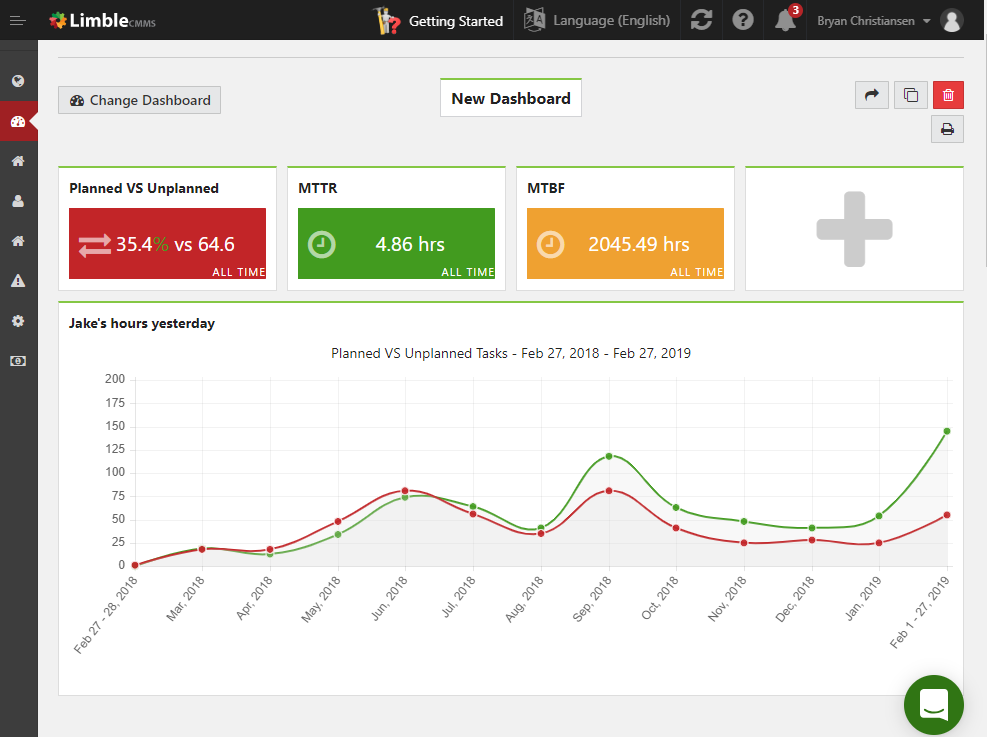
Planned downtime is under your control, while unplanned downtime results from unexpected equipment failures that can be extremely costly. Shifting from reactive to preventive maintenance helps reduce the frequency and impact of unplanned events.
Tracking the proportion of time spent on planned versus unplanned tasks is crucial. Limble’s dashboard provides clear analytics to help you measure this metric:
Let’s explore how to schedule planned downtimes to keep production running smoothly.
How to Manage Planned Downtime
#1 – Understand Your Production Cycle
Analyze daily and seasonal production patterns. Identify when output is lowest and plan maintenance during those windows. For 24/7 facilities, target the slowest hour of the day.
#2 – Reduce Excessive Maintenance with a CMMS
A modern Computer‑Aided Maintenance Management System (CMMS) centralizes all maintenance data, enabling you to streamline operations.
Reduce Reactive Maintenance by 73.2%
See the results Red Hawk enjoys with Limble

A CMMS lets you:
- Record machine performance and asset history
- Track work order progress
- Manage inventory and spare parts usage
- Monitor technician performance
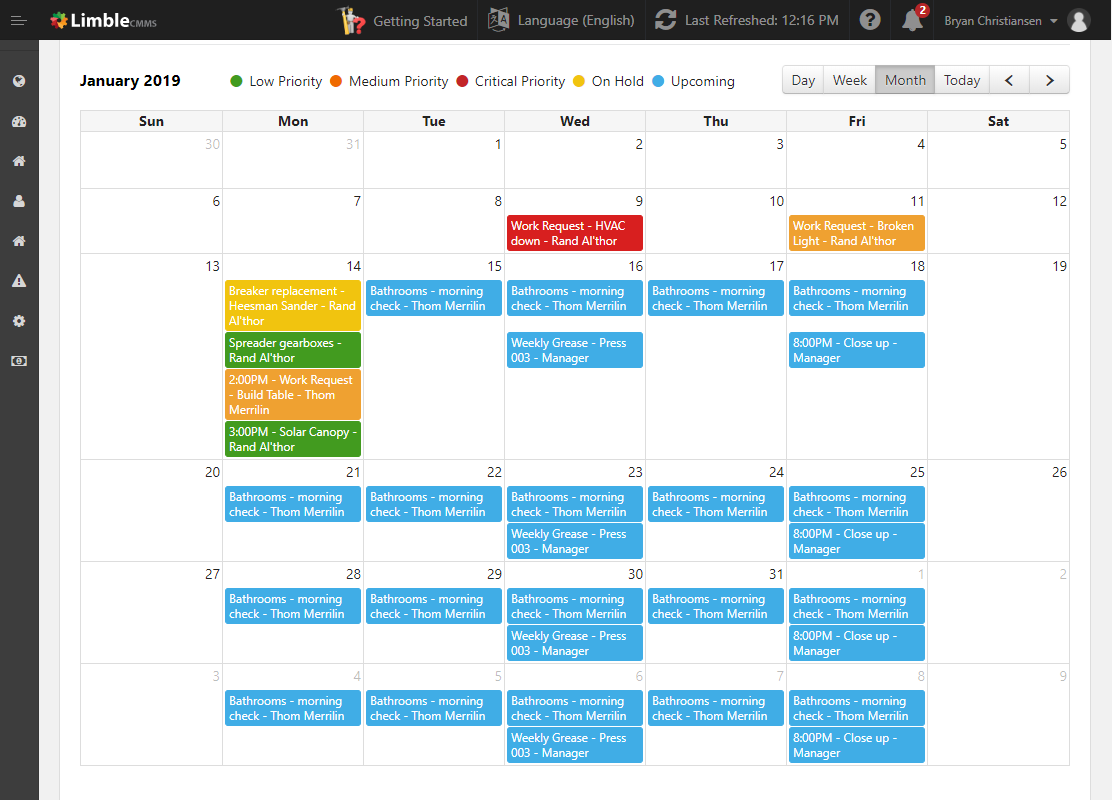
- Schedule and oversee preventive maintenance
With comprehensive data, you can reduce excessive maintenance by:
- Spacing maintenance tasks for assets that can tolerate longer intervals
- Shortening downtime through faster diagnosis and communication
- Ensuring spare parts are on hand when needed
- Maintaining a well‑organized maintenance department
For a deeper dive, check our CMMS guide.
#3 – Prioritize Your Asset List
Begin by ranking assets based on criticality. Focus preventive efforts on high‑impact machines and exclude low‑priority equipment that may not require routine service.
Understanding the duration of each maintenance task and the periods of lowest utilization will help you craft an effective schedule.
#4 – Define Clear SOPs
Standard Operating Procedures (SOPs) for repetitive tasks streamline maintenance and reduce downtime. Clear guidelines enable technicians to work faster and more accurately, balancing speed with quality to prevent future failures.
#5 – Identify and Mitigate Bottlenecks
Common bottlenecks include:
- Delayed spare‑part deliveries – order earlier or switch suppliers.
- Inexperienced technicians – pair them with veterans, provide SOPs, and invest in training.
- Aging assets – monitor their history, schedule additional inspections, or deploy condition‑based sensors.

#6 – Foster Cross‑Department Collaboration
Ensure that operators, cleaners, and other stakeholders are aware of planned shutdowns. Coordinated preparation reduces the risk of mistakes and keeps downtime to a minimum.
When to Schedule Planned Downtime?
Only you can determine the ideal timing for your facility, but consider these general guidelines:
- After business hours
- Immediately before major holidays
- Before anticipated severe weather
- Biannual blackout simulations to test critical equipment
For more detailed strategies, read my guest post on when to schedule planned maintenance.
Planning Is Key
Meticulous planning and organization allow you to minimize downtime during scheduled maintenance, regardless of seasonal peaks or lulls. A precise schedule keeps production at peak efficiency and machines in optimal condition.
If you’d like to learn how Limble can help you keep planned downtime to a minimum, leave a comment below or send us a message.
Equipment Maintenance and Repair
- A Practical Guide to Building a Robust Predictive Maintenance Program
- Condition‑Based Maintenance: The Definitive Guide to Predictive Asset Care
- Bridging Gaps in MRO Management: Proven Strategies for Seamless Supply Chain Coordination
- Can Manufacturers Achieve Zero Downtime? Insights & Strategies
- How to Build Effective Preventive Maintenance Checklists: A Practical Guide
- Industrial Maintenance: Strategies, Careers, and Best Practices for Asset Reliability
- Mastering Spare Parts Management: A Practical, Data‑Driven Guide for Plant & Supply Chain Leaders
- Switching CMMS: An Expert Guide to a Smooth, Cost‑Effective Transition
- Condition‑Based Maintenance Explained: A Practical Guide for Reliable Asset Management
- Essential Maintenance Benchmarking: A Step-by-Step Guide