



Neodymium Magnet Coatings: Safeguarding High‑Performance Magnets from Corrosion
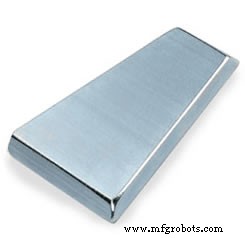
Neodymium magnets are renowned for their exceptional strength—often exceeding ceramic magnets by more than tenfold. This potency, however, comes with a vulnerability: exposure to oxygen and moisture can trigger corrosion over time. Protective coatings act as a shield, sealing the magnet’s core from environmental elements and extending its service life.
Nickel
Nickel is the industry’s go‑to coating for neodymium magnets. A thin nickel layer naturally resists oxidation, making it ideal for both magnetic components and electroplating applications. When applied, nickel creates a robust barrier that protects the underlying neodymium from corrosion.
Chrome
Chrome, or chromium plating, offers similar benefits. Chromium’s presence in stainless steel (≈11% by weight) imparts resistance to rust and oxidation. A chrome coating on a neodymium magnet serves the same purpose—keeping oxygen and moisture at bay while preserving magnetic performance.
Copper
Copper, while susceptible to corrosion like iron, does not rust. This makes it a practical, cost‑effective option for protecting neodymium magnets. The copper layer acts as a sacrificial barrier, preventing direct exposure of the magnetic core to corrosive agents.
Gold
Gold stands out as the most chemically inert coating available. It offers superior protection against oxidation and does not corrode. However, its high cost and the potential for the coating to wear off under mechanical stress mean it is typically reserved for high‑end or specialty applications where maximum durability is required.
Choosing the right coating involves balancing cost, environmental exposure, and required lifespan. Nickel, chrome, copper, and gold each provide distinct advantages, with nickel and chrome being the most common choices for everyday applications.
In summary, neodymium magnets rely on protective coatings—most frequently nickel, chrome, copper, or gold—to safeguard against oxidation and ensure long‑term performance.
Industrial equipment
- Cup Magnets: Design, Function, and Selection Guide
- 4 Essential Types of Coil Springs Explained
- Understanding Magnet 'Reach Out': How Far Their Magnetic Field Extends
- From Lodestone to Neodymium: The Evolution of Magnetism
- How Modern Magnets Are Made: From Rare‑Earth Mining to Final Magnetization
- How to Choose the Right Magnet for Your Project: A Practical Guide
- 5 Essential Types of Socket Wrenches for Every Technician
- Understanding Variables in C#: Types, Storage, and Usage
- Robotic Coatings: Types, Features, and Safety Standards
- Expert Guide to 4 Types of Aggregate Conveyors: Choosing the Right System