



6 Key Insights About Laser Engraving Technology
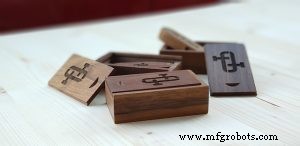
Laser engraving has become a go-to method for adding personalized details to a wide array of products—from jewelry and keychains to cutting boards and apparel. Unlike traditional methods that rely on ink or paint, laser engraving uses focused laser energy to heat the surface, creating precise and permanent markings.
#1) Speed and Simplicity Set Laser Engraving Apart
Manufacturers favor laser engraving because it delivers rapid, repeatable results with minimal manual intervention. A properly calibrated machine can engrave intricate patterns in seconds, making it far more efficient than hand‑tool or chemical etching.
#2) The Beam Is Astonishingly Small—Fractional Millimeters
An advanced optical system focuses the laser to a spot often less than 0.5 mm in diameter. This precision allows designers to produce fine details that would be impossible with broader, less focused techniques.
#3) Heat Is Generated Only Where the Laser Touches the Surface
Lasers themselves emit light, not heat. The energy is converted into heat upon impact with the material, causing localized melting or vaporization that defines the engraving.
#4) Machines Can Move the Laser or the Workpiece
Designers choose between stationary‑laser/fixed‑workpiece setups and moving‑laser/ stationary‑workpiece systems, depending on the application and required precision.
#5) A Broad Range of Materials Is Compatible
From most metals and alloys (requiring high‑power fiber or CO₂ lasers) to wood, plastics, and composites, laser engraving can adapt to diverse substrates. Metal surfaces need higher energy to overcome their heat resistance, whereas softer materials demand less power.
#6) Proper Ventilation Protects Health and Quality
When a material vaporizes, it releases fumes that may contain hazardous compounds. Most commercial machines include exhaust or filtration systems to capture these emissions, ensuring a safe workspace and maintaining product integrity.
Industrial equipment
- 6 Key Insights Into Vanadium
- Tantalum: 5 Fascinating Facts About the High‑Temperature Refractory Metal
- 8 Fascinating Facts About Zirconium
- 6 Fascinating Facts About Nickel – History, Properties, and Global Impact
- 7 Expert-Backed Facts About Hafnium: Discovery, Properties, and Modern Applications
- 6 Expert Insights into Hinges: Design, Function, and Innovations
- 6 Key Facts About Rare‑Earth Magnets
- 5 Key Insights into Laser Cutting Technology
- 6 Key Facts About Screwdrivers: History, Types, and Features
- Laser Metal Printing: Key Facts for Precision Parts Manufacturing