



Single‑Pass vs Multi‑Stroke Boring: How They Differ and Which to Choose
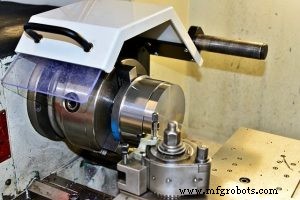
Boring is a precise machining operation that enlarges an existing hole in a workpiece. Whether performed on a lathe, milling machine, or dedicated boring apparatus, the goal is always the same: achieve a clean, accurate enlargement while preserving the integrity of the surrounding material.
What Is Single‑Pass Boring?
Single‑pass boring uses the cutting tool to traverse the hole just once. This technique, first popularized for cast‑iron components, eliminated the need for multiple passes that previously compromised surface finish and dimensional accuracy. The key to its efficiency lies in a diamond‑plated tool—an abrasive surface that peels material away in a single sweep.
What Is Multi‑Stroke Boring?
Multi‑stroke boring, by contrast, is a staged approach that removes material over several consecutive passes. Each stroke brings the tool slightly deeper, gradually reaching the target diameter. The choice of tool varies: some employ grit‑coated heads that work like fine sandpaper, while others use diamond dust for a harder cut. This method is ideal when extreme precision or larger diameters are required.
In Conclusion
Both single‑pass and multi‑stroke boring expand an existing hole, but the difference lies in the number of passes. Single‑pass delivers speed and a superior finish on materials like cast iron, whereas multi‑stroke offers finer control for larger or more complex enlargements. Selecting the right technique depends on material, desired accuracy, and production volume.
Industrial equipment
- Wheels vs. Casters: Understanding the Key Differences
- O‑Rings vs. Gaskets: Understanding Their Roles and Key Differences
- Iron vs. Steel: Key Differences Explained
- Plasma vs. Laser Cutting: Key Differences and When to Use Each
- Milling vs. Grinding: Key Differences Explained
- CO₂ vs Nd Laser Cutting: Key Differences Explained
- Water Jet vs Laser Cutting: Which Delivers Superior Precision?
- Washers vs. Gaskets: Key Differences Explained
- DC vs. AC Motors: Key Differences and Choosing the Right One for Your Application
- Drilling, Reaming, Boring & Honing Explained: Key Differences & Applications