



Embedded Development: How the Landscape Has Evolved Over the Past Two Decades
Embedded systems engineering, like the ocean, has persistent currents that shape its surface. While the core task—monitoring external events and responding—has remained constant, the tools and techniques we use to achieve it have transformed dramatically.
Embedded’s flagship surveys from 1999, 2009 and 2019 provide a clear, data‑driven snapshot of these changes. Each survey’s questions themselves reflect the industry’s evolution: the 1999 questionnaire focused on cross compilers, object‑oriented design and in‑circuit emulators, with minimal emphasis on operating systems. By 2009 the survey pivoted to cover multiprocessor design, operating systems (especially embedded Linux) and dropped some earlier topics. The 2019 edition added IoT, AI and security—topics that had become mainstream by then.
Interpreting the results requires caution. Methodologies shifted in 2009, expanding some single‑choice questions into multi‑select formats, which adds interpretive uncertainty. Some data points are only available for 2009 and 2019, and margins of error typically range from 3% to over 6%. Accordingly, the figures below are presented as trends rather than exact comparisons.
Applications focus and capabilities
How did the top application segments for embedded designs shift over the past decade? Industrial and consumer remain in the top five, but automotive and IoT have begun to dominate (Table 1). The 2009 “datacomm” category has been absorbed into the broader “communications” segment by 2019.
Table 1: Top 5 Application segments (% respondents)
| Year | Industrial | Datacomm / Consumer | Consumer / IoT | Electronic instruments / Communications | Aerospace / Automotive |
|---|---|---|---|---|---|
| 2009 | 30 | 24 | 22 | 16 | 16 |
| 2019 | 32 | 29 | 25 | 19 | 17 |
Design nature has also shifted. The 1999 survey asked about integrating Web technologies; 43% of respondents said they had no plans, while 14% intended to. The 2009 and 2019 data illustrate a dramatic rise in connectivity: networked designs grew from 35% at the turn of the millennium to over 90% a decade later (Table 2). Battery‑powered designs have been a consistent focus for at least a decade, underscoring that low‑power engineering predates the IoT boom.
Table 2: Key design capabilities (% respondents)
| Year | Networked | Wireless | Battery‑powered |
|---|---|---|---|
| 1999 | 35 | N/A | N/A |
| 2009 | 59 | 33 | 35 |
| 2019 | 49 | 42 | 34 |
Programming language
While C/C++ were not always the dominant languages, the trend toward higher‑performance processors has reduced the need for assembly. Only about 37% of projects were delivered on schedule—a figure that remained unchanged through 2019 despite a 2009 call for process improvements.
click for larger image
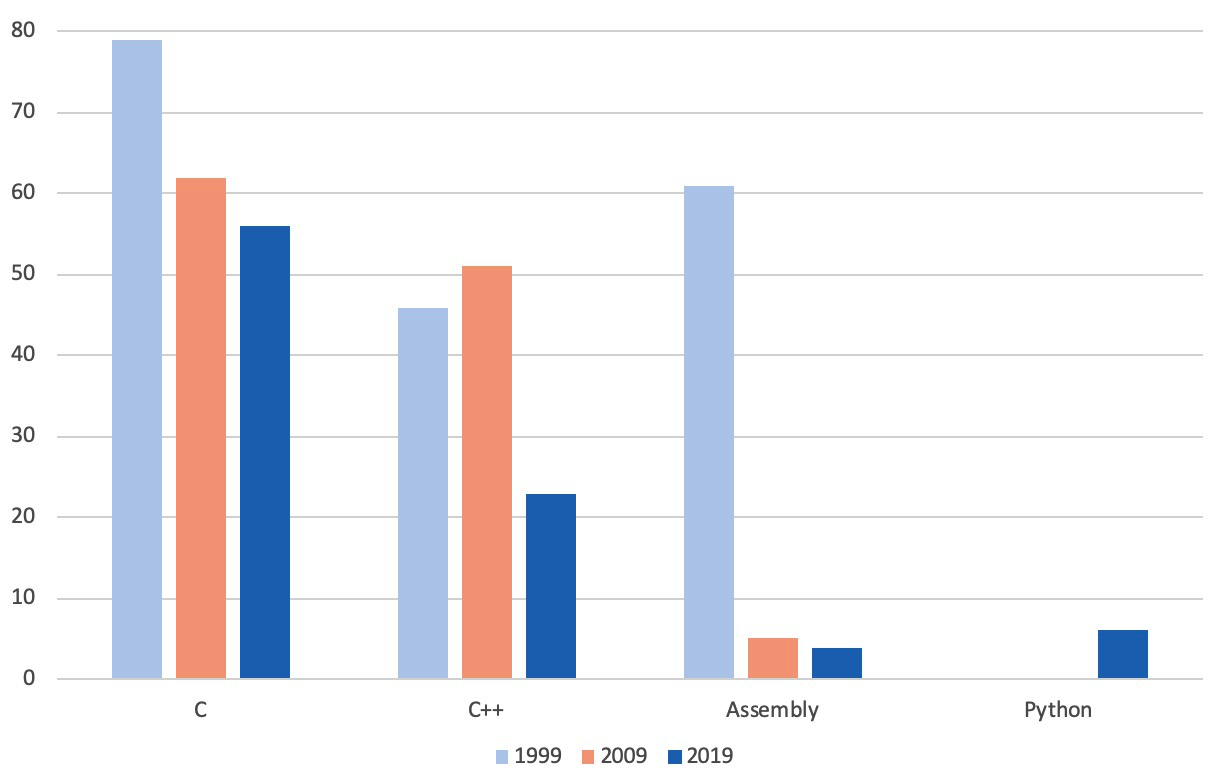
Figure 1: Top development languages (% respondents).
Open‑source operating systems began to displace commercial OSs by 2009 and the trend accelerated by 2019. Custom or in‑house OSs also gained traction, as shown in Figure 2.
click for larger image
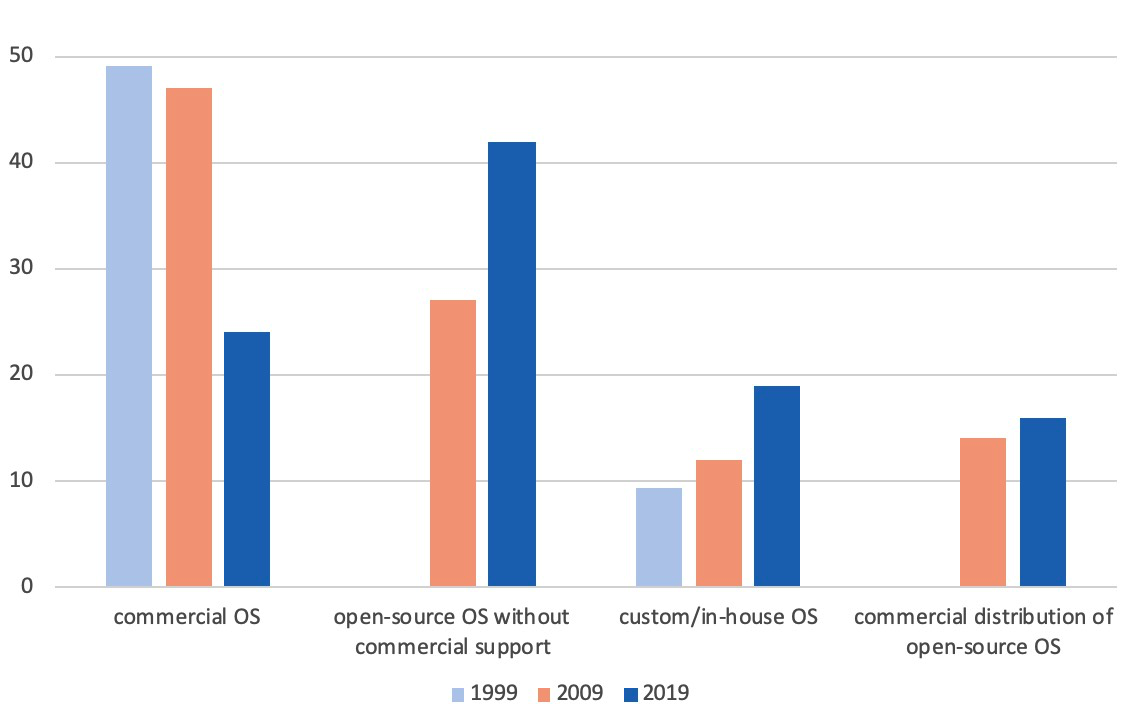
Figure 2: Type of operating system (% respondents).
Processor architecture
32‑bit architectures have held steady, while 64‑bit adoption has surged, reflecting a natural evolution toward wider bit‑widths for performance and memory efficiency.
click for larger image
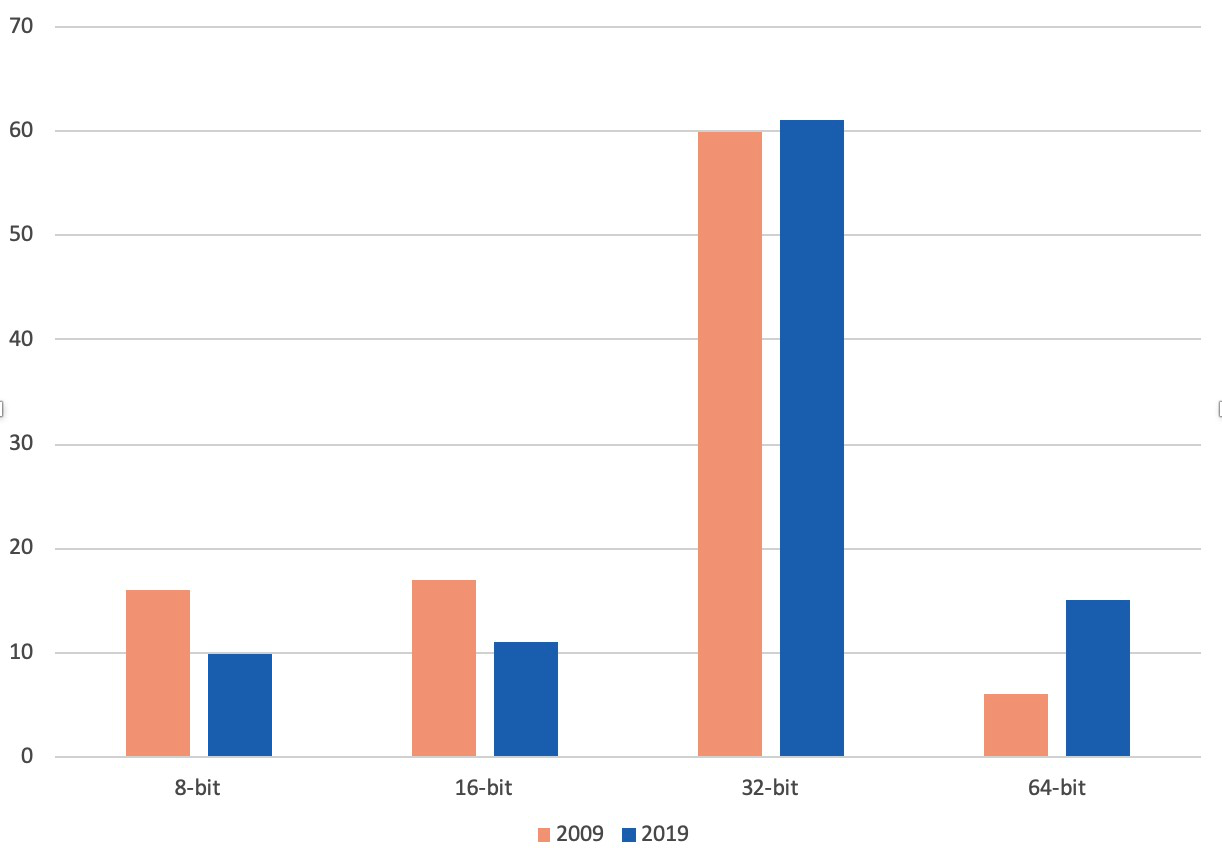
Figure 3: Processor architectures (% respondents).
Separate processors vs. multicore devices
The 2010s saw a clear shift from multiple discrete chips to multicore solutions—homogeneous or heterogeneous—reducing board complexity and improving integration.
click for larger image
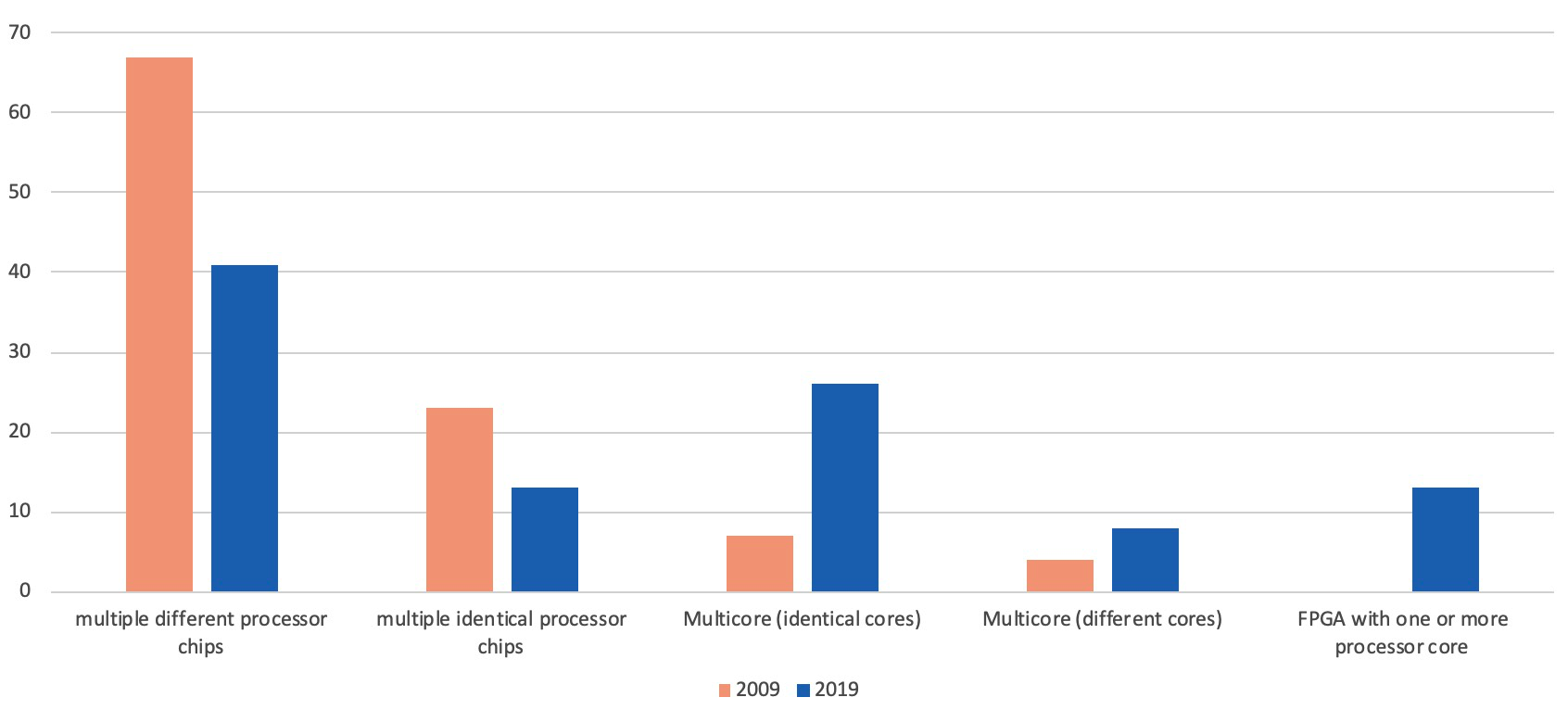
Figure 4: Individual processor chips versus multicore processors (% respondents).
Processor decision drivers
Tool availability remains the top driver for processor selection, a constant over two decades. Familiarity with the architecture has diminished in importance, while cost and I/O/peripheral capability have steadily declined in relative influence (Figure 5).
click for larger image
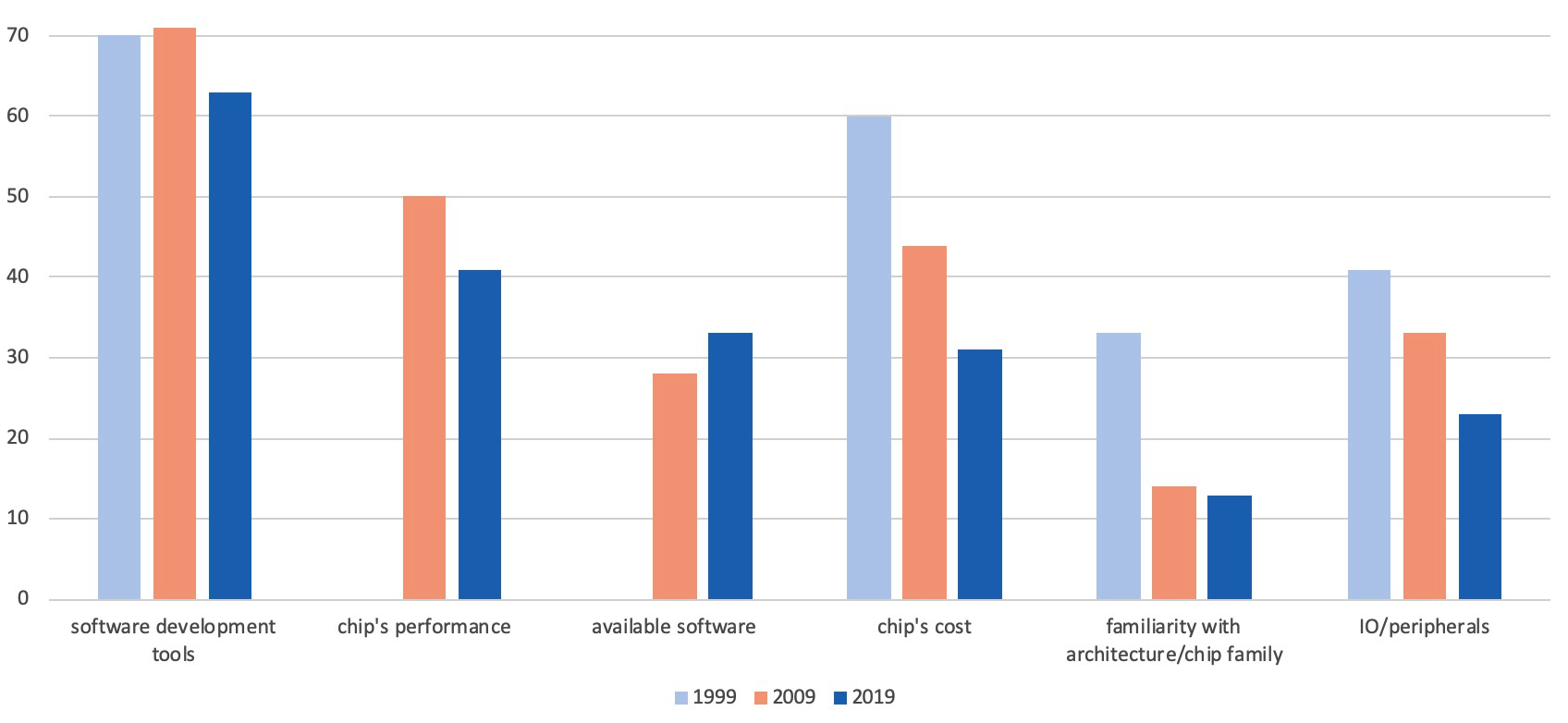
Figure 5: Processor choice factors (% respondents).
Technology challenges
Top challenges in 2009 and 2019 consistently included integration, code complexity and software tools. However, concerns about low power and security rose sharply in 2019—security moving from a 3% concern in 2009 to a prominent issue in 2019, reflecting the growing threat landscape.
click for larger image
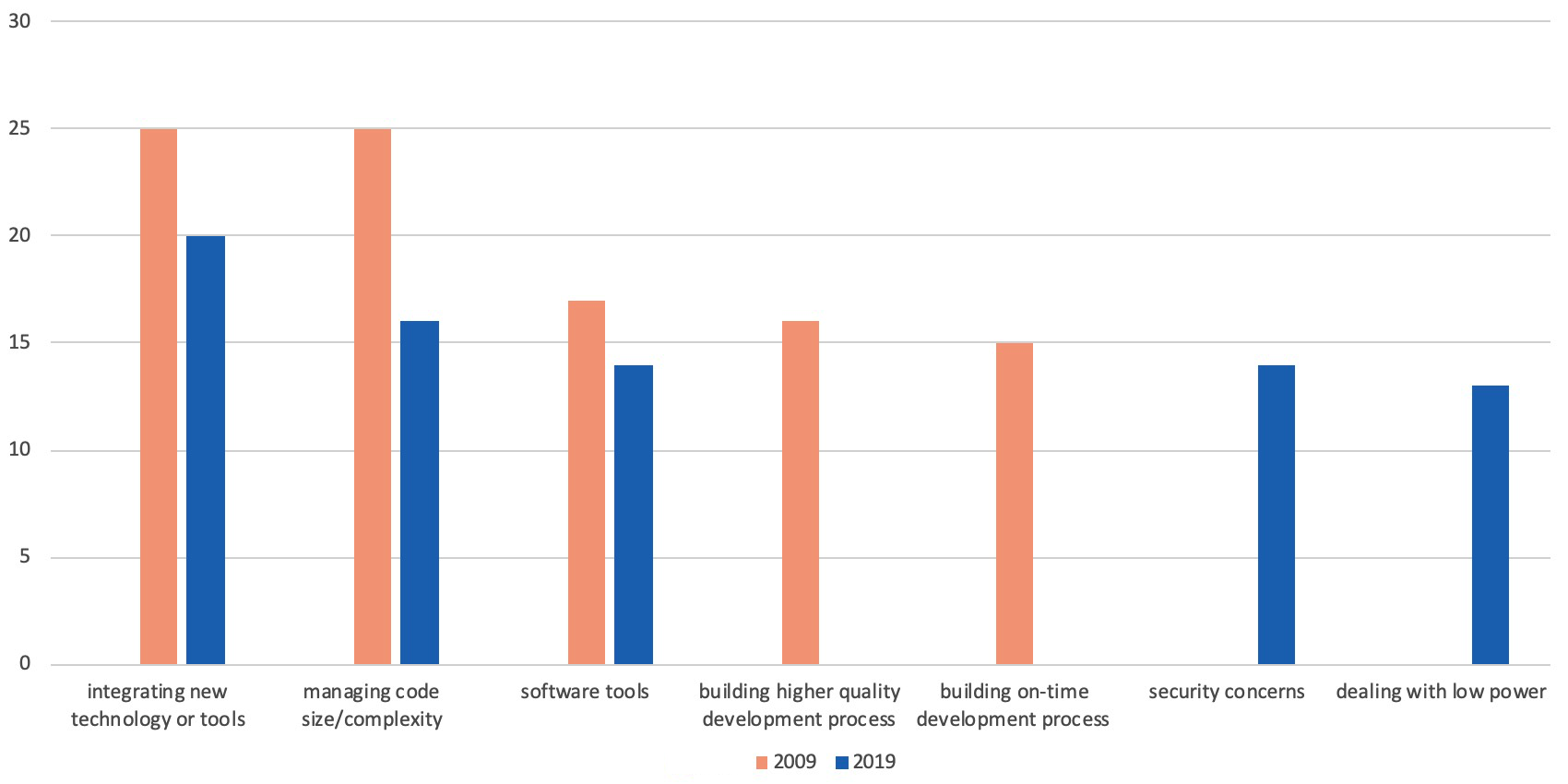
Figure 6: Top technology challenges (% respondents).
What does this mean for the 2020s?
We can anticipate that software development tools and code‑size management will remain critical, while processor characteristics like raw performance and peripheral options will gradually shift to a secondary role. Emerging paradigms—no‑code platforms, quantum computing, AI cores for on‑device neural networks—could alter the design landscape, but the core goals stay the same: efficient data interfaces, low‑latency execution, robust security, and ultra‑low power consumption.
Embedded designers will increasingly confront heterogeneous, multi‑core architectures that still require streamlined development environments. The industry’s trajectory suggests that while approaches evolve, the fundamental challenge of marrying complex software with the physical world persists.
We invite you to review the 1999, 2009 and 2019 surveys and share your insights or predictions in the comments below.
Embedded
- Tungsten: The Backbone of Modern Aerospace Innovation
- The Pandemic’s Impact on 3D Printing: From Decline to Resurgence
- Integrating UN SDGs: Fiix’s 5‑Year Journey to Sustainable Impact
- Six Proven Steps to Secure Embedded IoT Systems
- Decade-Long Digital Transformation: How SMEs Are Thriving in Manufacturing
- Amazon's Journey Through COVID-19: Challenges, Adaptations, and Growth
- How CAD‑CAM Is Transforming CNC Machining: Boosting Precision and Efficiency
- How Automation Revolutionizes Delivery: Boosting Speed, Accuracy, and Cost Savings
- The Evolution of Compressed Air Systems Over the Past Two Decades
- Accelerometer vs Gyroscope: Key Differences & How to Choose the Right Sensor