



Open‑Source Engineers Design Low‑Cost Ventilators to Bolster COVID‑19 Response
Ventilators maintain oxygen in the lungs and expel carbon dioxide, making them indispensable for severe COVID‑19 cases. The virus damages lung cilia, causing mucus build‑up and secondary infections that hinder oxygen absorption. As hospitals worldwide struggle with ventilator shortages, a global surge in manufacturing—masks, respirators, swabs, medicines, and ventilators—has been launched. Ventilators enable breathing; the central COVID‑19 challenge is lung blockage.
In response, a community of engineers, clinicians, and researchers launched a collaborative open‑source initiative to design and produce ventilators. Using 3D printing and other rapid‑manufacturing techniques, the project creates spare parts and equipment on demand.
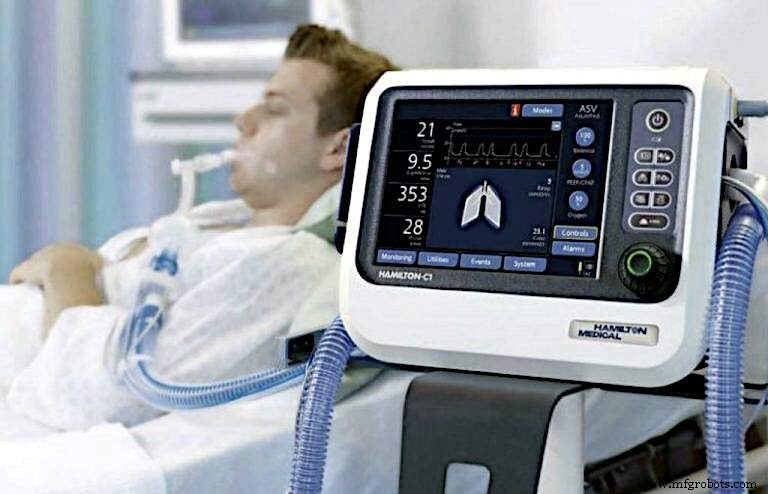 Figure 1: A professional ventilator (Image: Hamilton Medical)
How do ventilators work?
These machines deliver oxygen and remove carbon dioxide by pumping air through a tube inserted into the patient’s mouth or nose. Modern ventilators are electronically controlled by embedded computers and are classified as life‑critical systems, demanding the highest reliability standards.
The projects
Numerous low‑cost ventilator designs—many hosted on GitHub—fill gaps when hospital supplies are insufficient. While they can support acute lung crises, they directly affect medical conditions, so professional medical oversight is mandatory. Improper use, especially at high pressures, carries significant risks.
Low‑cost open‑source ventilator device (PAPR)
This GitHub project (Figure 2) offers a modest, affordable ventilator that can save lives if used correctly. It delivers a programmable respiratory rate of 10–16 breaths per minute and can reach peak airway pressures up to 45 cmH₂O; however, pressures above 20 cmH₂O are dangerous. The device uses ambient air (21% O₂); higher oxygen concentrations require dedicated medical equipment. The project remains open for improvement and the creator seeks partnerships for mass production. Component availability may be limited, and the design is intentionally minimal. Future iterations could incorporate viral‑spread mitigation. The device operates only in already‑infected environments, where droplet containment is essential. Control is managed via an Arduino; safeguards against power outages should be integrated.
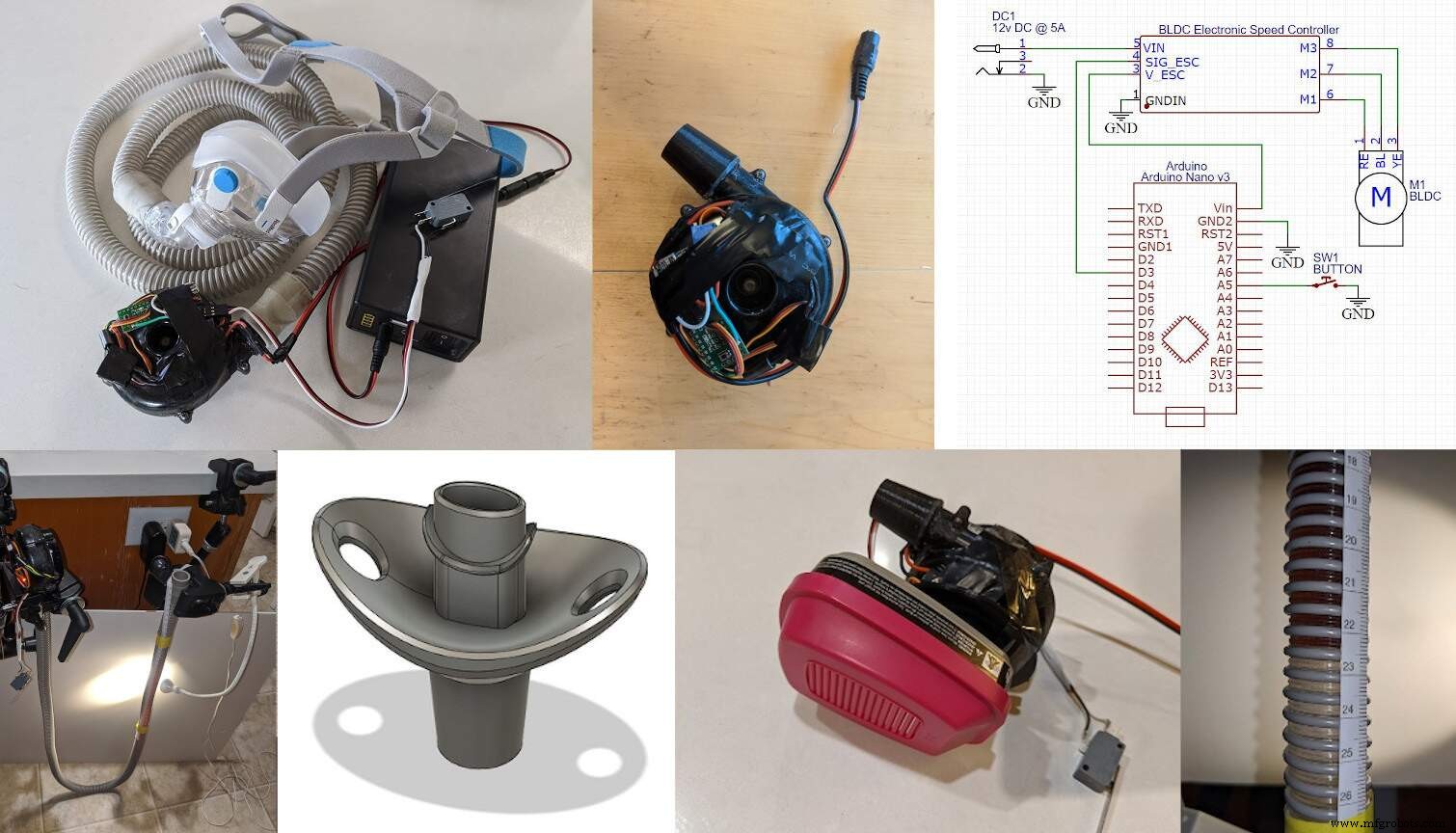 Figure 2: A ventilator project (Image: GitHub)
The Pandemic Ventilator
Available on Instructables, this DIY ventilator uses readily available components (Figure 3). It is intended as an emergency life‑support solution. With hospitals unable to procure enough ventilators, demand will likely exceed supply. The design is straightforward yet incorporates modern electronic control. It employs wood, tape, plastic bags, threaded tubes, solenoid valves, magnetic switches, and a PLC. The project is continuously refined in both hardware and software. It clearly states that the prototype is experimental and has not undergone safety testing; only certified clinicians should use it. The device consists of a wooden bellows unit, valves, pipes, a PLC, wires, switches, and a power supply, all mounted on an 18 × 21 × 0.5‑inch plywood board. Direct‑acting solenoid valves and threaded fittings with Teflon tape are required. The bellows is constructed from a large freezer bag, reinforced with plywood and hinges (see Figure 4). The PLC used is a Direct Logic 06 DO‑06DR by Automation Direct—a low‑cost, flexible unit with free programming software. Other PLCs may be substituted. A 24‑V power supply and an on/off switch start the system. The ladder‑logic program operates as follows:
- Open Valve 1 and close Valve 2 until the bellows is full (top magnetic switch closes).
- Close Valve 1, open Valve 2, and close Valve 3 to exhale air to the patient.
- When the lower magnetic switch closes, close Valve 2 and reopen Valve 1 to refill the bellows.
- A timer allows the patient’s lungs to deflate with Valve 3 open; after the timer expires, Valve 2 opens and Valve 3 closes to begin the next cycle.
Here is the wiring chart:
- Inputs
- X0 top bellows magnetic switch
- X1 bottom bellows magnetic switch
- X2 on/off switch
- C0 24 V
- All returns to ground
- Outputs
- Y0 unused
- Y1 inhale valve (V2)
- Y2 exhale valve (V3)
- Y3 bellows fill valve (V1)
- C0 120‑VAC line
- All returns to line neutral
 Figure 4: Some details of the construction of the Pandemic Ventilator (Image: TEMPO.CO)
>>> Continue reading about additional ventilator design efforts described in the complete article originally published on our sister site, EEWeb.
Embedded
- 7 Cutting‑Edge 3D‑Printed Designs That Redefined Engineering
- Synopsys Unveils Complete HBM3 IP Suite for Multi‑Die Systems, Boosting Bandwidth to 921 GB/s
- Raspberry Pi Unveils RP2040 MCU and $4 Pico Board
- ST Microelectronics Launches STM8L050: Low‑Cost 8‑bit MCU with Rich Analog, DMA, and EEPROM in SO‑8 Package
- Sensirion Launches Patient‑Side Flow Sensor for Precise Ventilator Monitoring
- Microchip Launches First Commercial eSPI‑to‑LPC Bridge for Seamless Legacy Integration
- Securing IoT Embedded Designs with Advanced Security ICs
- Elevate Continuous Improvement with Industrial IoT: A Guide to Smarter, Safer Manufacturing
- Open-Source COVID-19 Pulmonary Ventilator – Arduino-Based DIY Respiratory Support System
- Low‑Cost Automation: RHEWUM® Enhances Welding with Collaborative Robots