



Biometric Wearable Payments: The Next Leap in Contactless Tech
Chipmakers are now supplying the core IoT components that enable wearable designers to create contact‑less payment solutions powered by biometric data.
Introducing the “get” Bracelet by Deed
Italian startup Deed has launched the screenless wristband get, a device that interprets human gestures and uses biometric authentication to pick up calls or make contact‑less payments. CEO Edoardo Parini calls it "the perfect bridge between ‘you’ and ‘your’ digital‑self.”
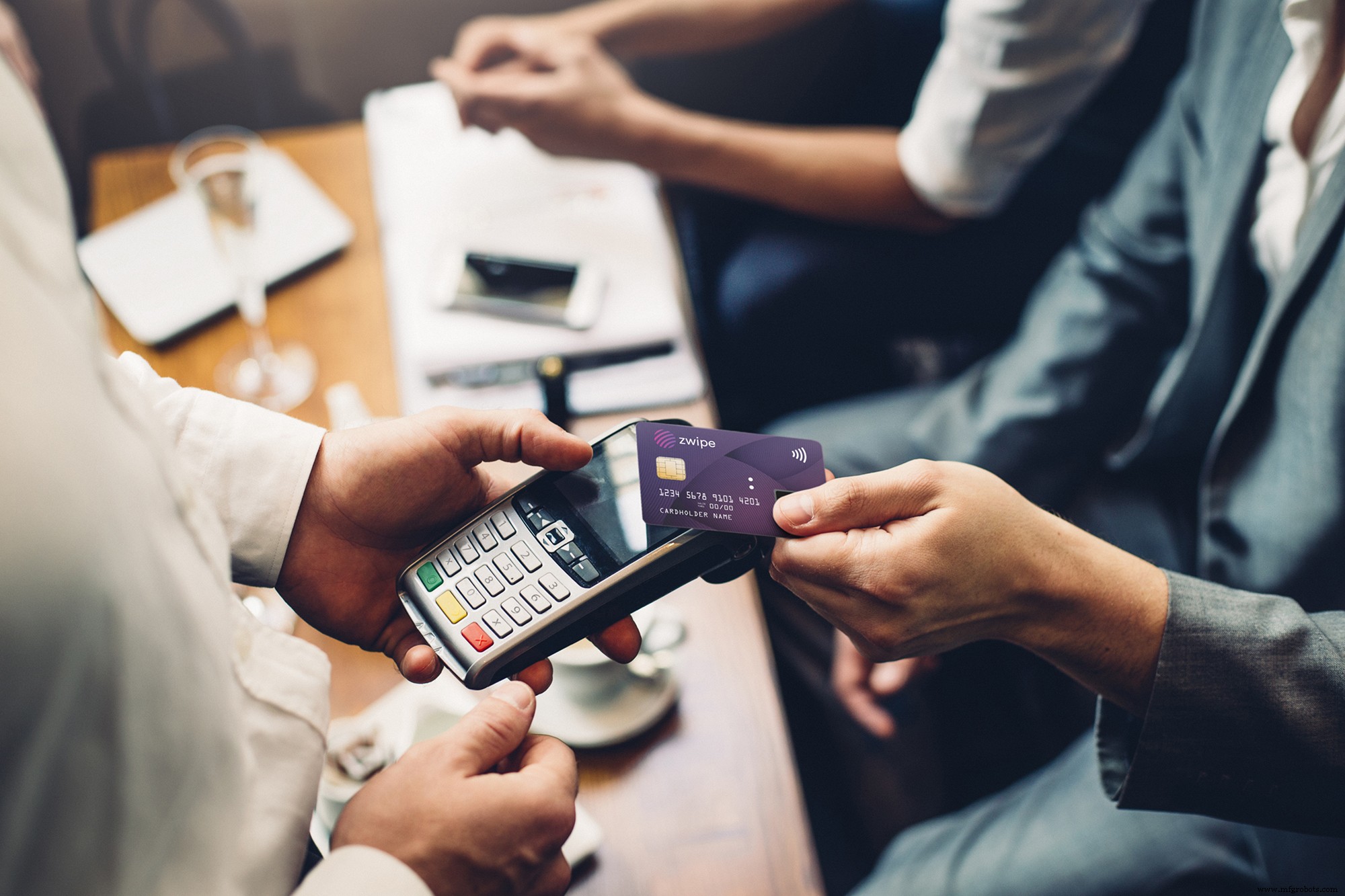
Secure Payment Engine: Infineon SECORA Connect NFC
The bracelet’s payment capability relies on Infineon Technologies AG’s SECORA Connect NFC platform, which securely provisions, stores, and selects multiple credentials—including payment cards—without requiring specialized antenna or security expertise.
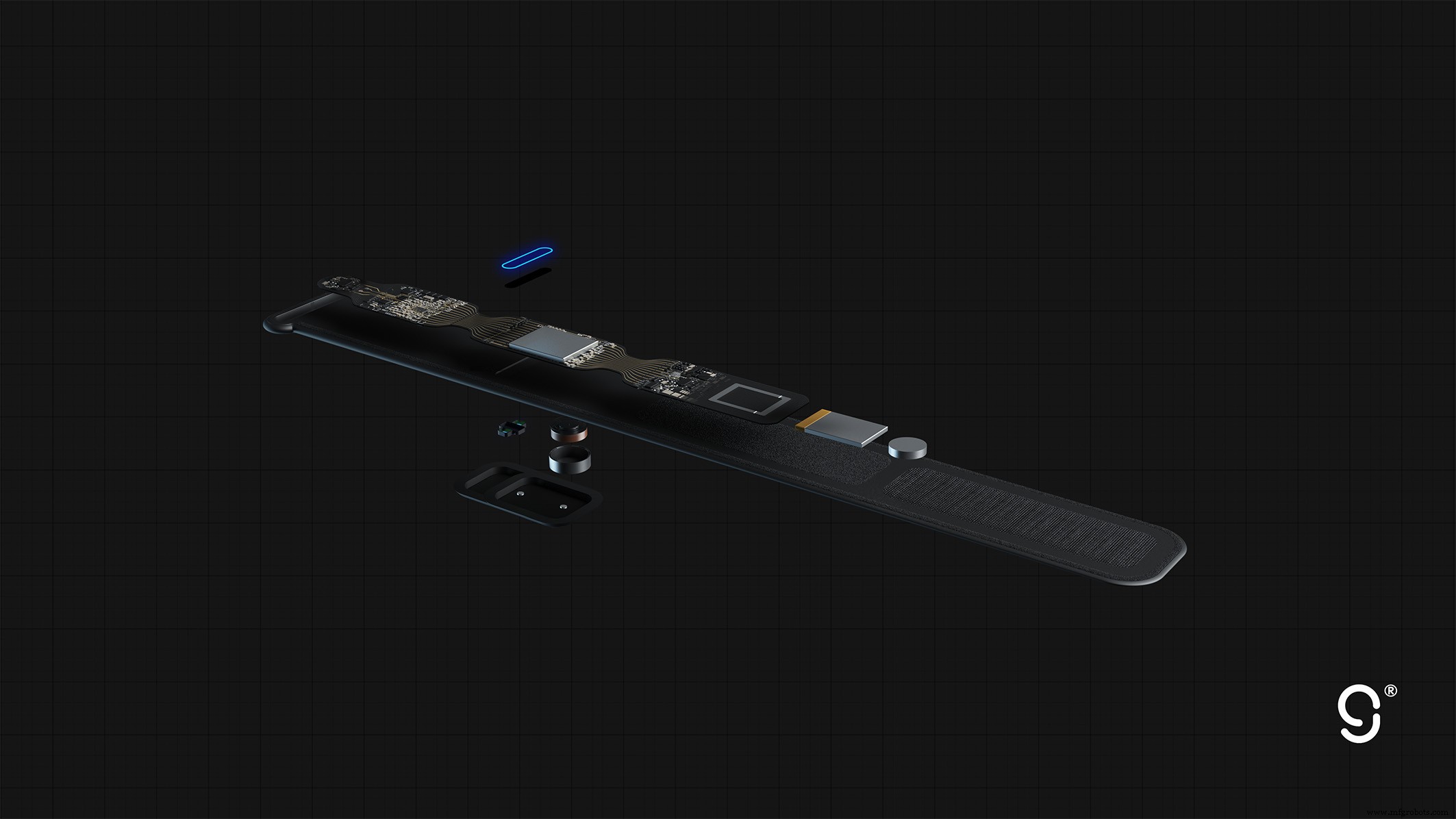
High‑Fidelity Voice and Wireless Connectivity
Embedded XENSIV MEMS microphones deliver low‑self‑noise, wide dynamic range, and high acoustic overload tolerance, ensuring clear voice recording during calls.
Wireless communication is handled by the AIROC Wi‑Fi & Bluetooth Combo chip, which integrates IEEE 802.11a/b/g/n/ac/ax Wi‑Fi and Bluetooth 5.2. The system is powered by a PSoC 6 microcontroller, renowned for its ultra‑low‑power operation and extended battery life.
Biometrics as the New Second Factor
Biometric authentication is poised to replace traditional PINs and IDs. By embedding a fingerprint sensor on a card or wearable, users can authenticate quickly and securely, improving convenience and reducing fraud.
Infineon has partnered with Norwegian biometric specialists Zwipe to co‑design SoCs for mass deployment of smart biometric wearables and cards. It has also collaborated with NEXT Biometrics to create a reference design for biometric payment cards, featuring a biometric module, secure element, dedicated OS with biometric and payment applets, and a recommended lamination process.
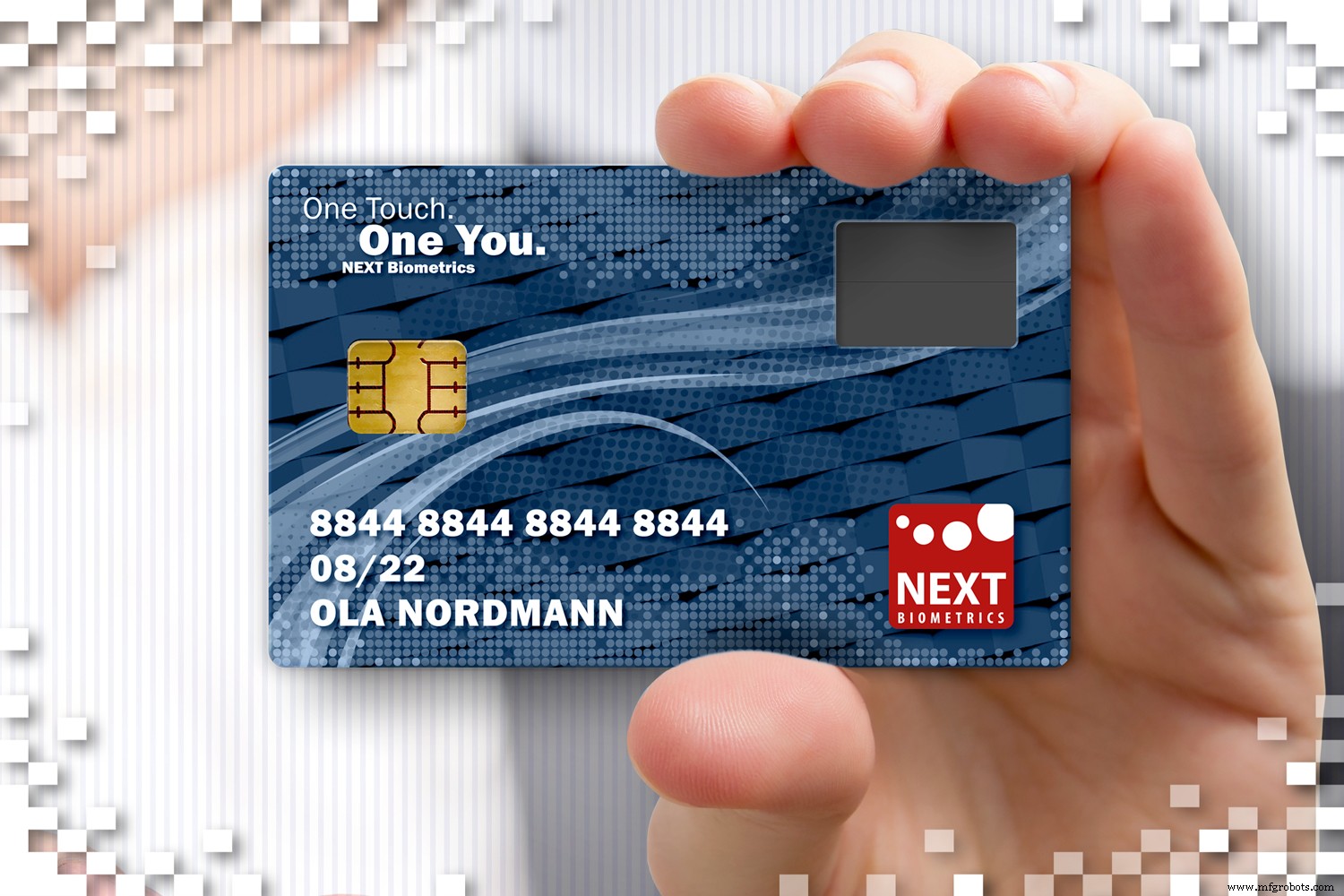
These hardware and software building blocks are now ready and available, allowing innovators like Deed to focus on product design and rapid market entry.
→ This article was originally published on our sister site, EDN.
Related Contents:
- When accuracy matters: Assessing technologies for a social distancing wearable
- The next challenges of low power design
- Employing energy harvesting in wearable medical device designs
- Optimizing wearable display power consumption
- How to build better UX for IoT devices
For more Embedded, subscribe to Embedded’s weekly email newsletter.
Embedded
- Control Unit Explained: Components & Design in CPUs
- Chatbots 101: Design Process, Architecture, and Practical Insights
- Renesas Launches Ultra‑Compact 8.2‑mm Creepage Photocouplers to Shrink Industrial Automation and Solar Inverter Designs
- ADI Launches ADM2867E: Integrated Isolated RS‑485 Transceiver with DC/DC Converter for Space‑Saving Applications
- MAXM86146: The Thinnest Dual‑Photodetector Sensor Accelerating Wearable Health Design
- Mastering PCB Design: Overcoming Common Challenges
- AEROTEC Unveils Advanced Hybrid CFRP-AM Design for Lightweight Aircraft Structures
- Thermwood Introduces Innovative 3D-Printed Mold Technology for Large Vessels
- New Design Method Cuts Carbon Fiber Weight, Boosting Lighter Aircraft & Vehicles
- Enhancing Contactless Current Sensing in EVs: Practical Design Solutions