



Why VPNs Fall Short for Cloud Apps – The Rise of Application‑Specific Networking

At the recent NetEvents18 conference in Albufeira, Portugal, Scott Raynovich of Futuriom unveiled research that points to a paradigm shift in how enterprises secure and manage cloud‑based applications. His findings suggest that traditional Virtual Private Networks (VPNs) are increasingly inadequate for modern cloud workloads, and that Application‑Specific Networking (ASN) is emerging as a compelling alternative.
Key Takeaways from Futuriom’s Survey
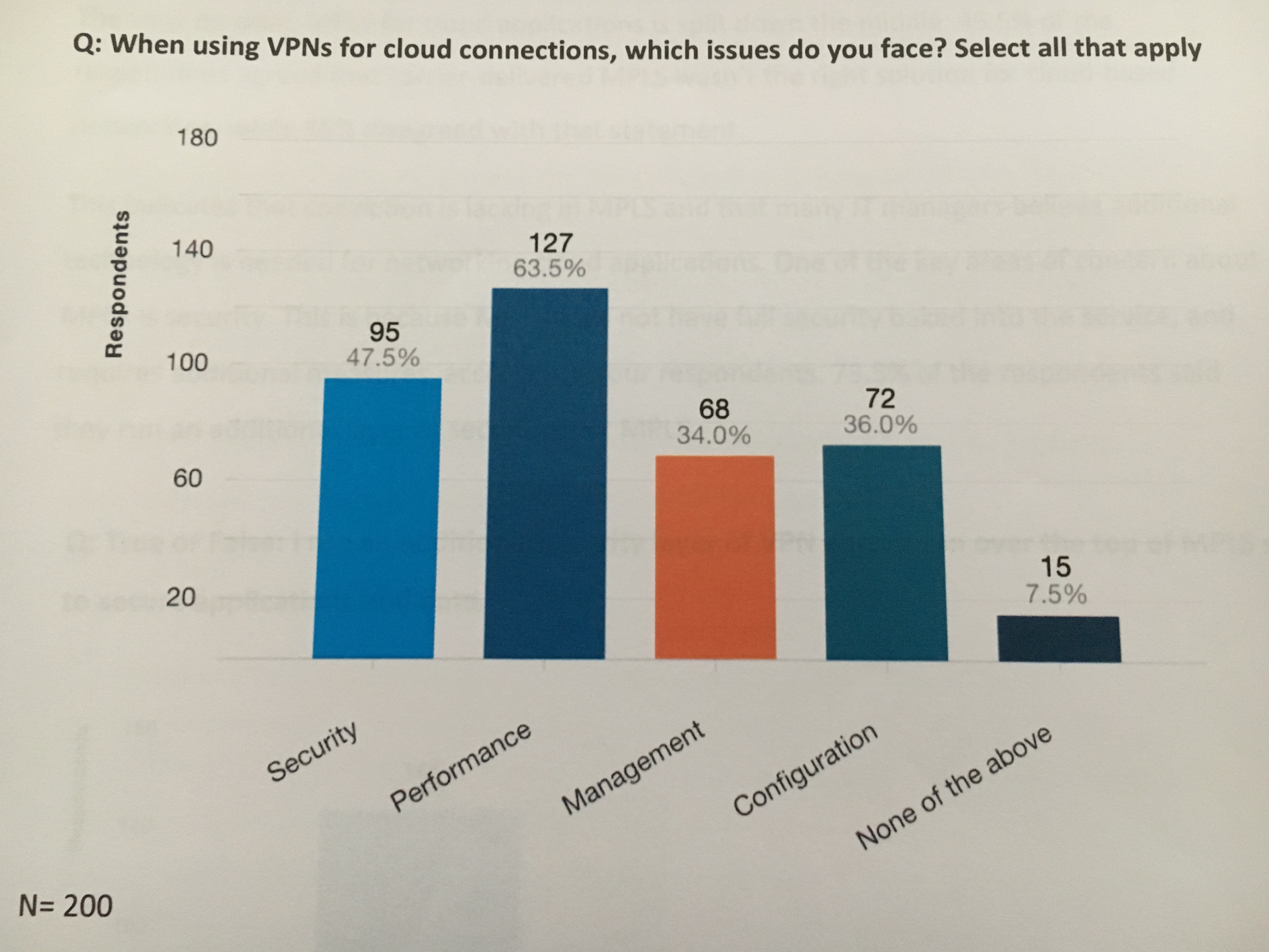
Raynovich led a survey of 200 IT leaders across application development, networking, security, and DevOps, seeking to understand the networking features most critical for cloud applications. The results were striking:
- 63.5% of respondents identified VPN performance as a major pain point.
- 47.5% cited security concerns with VPNs.
- 75% of VPN users are actively looking for a better solution.
These insights underscore a growing demand for flexible, software‑driven networking that can keep pace with rapid cloud adoption.
What Is an Application‑Specific Network?
An ASN is a purely software‑defined network that connects applications directly, without the need for managing physical hardware, operating systems, or servers. Unlike VPNs, ASNs can be provisioned automatically by the applications themselves, offering:
- Device‑agnostic security tied to the application layer.
- Rapid, automated set‑up and tear‑down.
- No need for “box” management.
- Features tailored for DevOps and software developers rather than traditional networking teams.
- Native Zero‑Trust architecture and optional hardware root‑of‑trust for high performance.
- Transparency for end users.
Raynovich describes ASNs as the backbone of AppWANs—logical networks that stitch together distributed application components across SaaS, IaaS, and PaaS environments, whether in a single cloud, hybrid, or multi‑cloud setup.
Security and Performance Gains
Futuriom’s research also highlighted a shift toward hardware root‑of‑trust and Zero‑Trust models. The survey revealed that 74.5% of respondents view hardware root‑of‑trust as a crucial security feature. In contrast, many organizations still rely on VPNs for extranets, B2B links, and supply‑chain connectivity, yet these setups often introduce significant latency, processing overhead, and management complexity.
Limitations for Industrial IoT
While Software‑Defined WANs (SD‑WANs) excel at connecting branch offices, they fall short when it comes to industrial Internet of Things (IIoT) devices. In the survey, 43.5% of respondents identified SD‑WAN as an unsuitable solution for IIoT, with 33.5% disagreeing and 23% unsure.

Industry Adoption: NetFoundry & Microsoft Collaboration
NetFoundry, a key player in the ASN space, has partnered with Microsoft to integrate its AppWANs with Azure Virtual WAN. According to Philip Griffiths, Head of EMEA Partnerships at NetFoundry, this integration delivers “enterprise‑grade security, improved performance, and simplified network management.” NetFoundry positions its AppWANs as a seamless on‑ramp to Microsoft Azure, offering cloud‑native agility, instant connectivity, and scalable deployment for IoT, virtual WANs, and custom secure application links between organizations, partners, and end users.

Author: Jeremy Cowan, Editorial Director, IoT Now, IoT Global Network, and VanillaPlus.
Internet of Things Technology
- Driving Convergence and Interoperability in Industrial IoT and Industrie 4.0
- Balancing Trust and Value in Industrial IoT: A Cisco Security Journey
- Cisco Tops Industrial Networking Market Share for Second Consecutive Year
- Securing Industrial IoT: How OT, IT, and SOC Collaborate for Robust Protection
- Cisco 1G Bidirectional Transceivers: Boosting Service Provider and IoT Network Efficiency
- Kickstart Your IoT/OT Security Project: A Step‑by‑Step Blueprint
- SRAM PUF: The Ultimate Root of Trust for Secure IoT Devices
- How Connected Sensors and Smart Processors Power Industry 4.0
- Smart Manufacturing and IoT: Driving the Next Industrial Revolution
- Industrial IoT: Key Building Blocks Driving Industry 4.0