



Identifying Plastics with a Burn Test: A Practical Guide
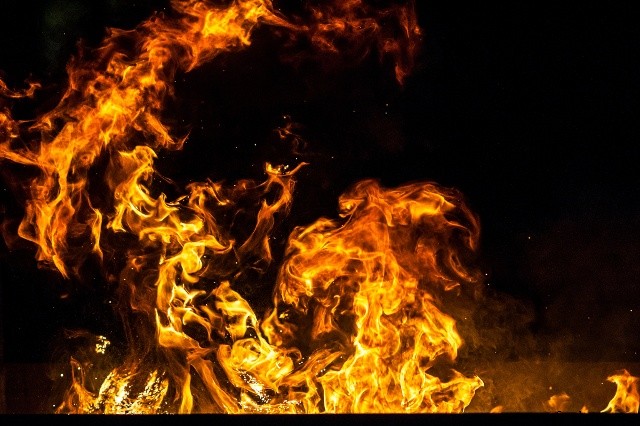
When you encounter a plastic part and its composition is unclear, a burn test can offer decisive clues. This method is strictly for controlled, industrial environments—never at home. Burning plastic releases toxic fumes and hot drips that pose significant health and fire risks. Always work in a well‑ventilated area, use proper protective gear, and follow your organization’s safety protocols.
Start by narrowing your options with these visual and tactile cues:
- Color and finish
- Texture and hardness
- Response to heat: does it melt or resist?
- Flame color and persistence after ignition is removed
- Odor emitted during heating
- Presence and color of molten drips
- Smoke characteristics (color, soot)
- Floatation in water
- Color change at a crease line
Step 1: Distinguish Thermoplastic from Thermoset
Heat a metal or glass rod to approximately 260 °C (500 °F). Press it against a small sample. If the material melts, it’s a thermoplastic. If it remains rigid, it’s a thermoset.
Thermoplastics
ABS (Acrylonitrile‑Butadiene‑Styrene)
ABS emits an acrid odor when heated. The flame is yellow with blue edges and the material does not drip. The fire continues after the flame source is removed, producing black soot.
Nylon 6/6
Typically off‑white and hard, Nylon 6/6 smells like burnt wool or hair. The flame is blue with a yellow tip, and the material drips and burns slowly after ignition.
Polycarbonate (PC)
PC gives a faint, sweet ester scent. Its flame is orange, the material drips, and it emits black smoke with soot.
Polypropylene (PP)
PP smells acrid initially, then sweet after the flame is removed. The flame is yellow, then turns blue with a yellow tip. It drips, burns slowly, and when bent the crease line turns white. PP is also water‑floatable.
PTFE (Polytetrafluoroethylene)
PTFE is very white, waxy, and soft. It has a faint burned‑hair odor even without flame. When heated, it does not drip and the flame is weak. PTFE is noted for its low friction and excellent wear resistance.
Thermosets
Polyesters
Polyesters smell like hydrochloric acid. The flame is yellow, and the material does not drip. It continues to burn slowly after ignition, often cracking or breaking.
Phenolics
Phenolics emit a formaldehyde‑phenol scent. With flame, the odor shifts to phenols and paper/wood. The flame is yellow, and the material does not drip. Heat may cause cracking.
These are just a few of the many plastics out there. If the burn test does not provide a clear answer, or you need confirmation, our experts can assist. Contact us today for professional plastic identification.
Questions or comments? Drop them below.
Want to dive deeper into plastic material science? Download our free guide!
Resin
- Choosing the Ideal Material for Your Handwheel: A Practical Guide
- Plastic Wear: Causes, Mechanisms, and How to Design for Durability
- How Engineers Assess Plastic Material Strength: Key Mechanical Properties Explained
- The Definitive Checklist for Purchasing Plastic Fasteners
- Choosing the Right Plastic Manufacturing Supplier: A Practical Guide
- How IoT is Revolutionizing Everyday Life
- When and How to Manufacture Plastic Prototypes for Optimal Product Success
- 6 Simple Techniques to Verify Capacitor Functionality
- Avoiding the Pitfalls of Non‑Standard Material Sizes
- Maintaining Biocompatibility During Material Processing for Medical Applications