



10 Cutting‑Edge 3D‑Printing Innovations That Shaped 2023

In the past year, the 3D‑printing landscape has expanded at an unprecedented pace. From metal to polymer and beyond, 12 breakthrough technologies promise to transform manufacturing, reduce costs, and accelerate time‑to‑market.
Metal 3D Printing
1. Aurora Labs’ Multilevel Concurrent Printing (MCP®)
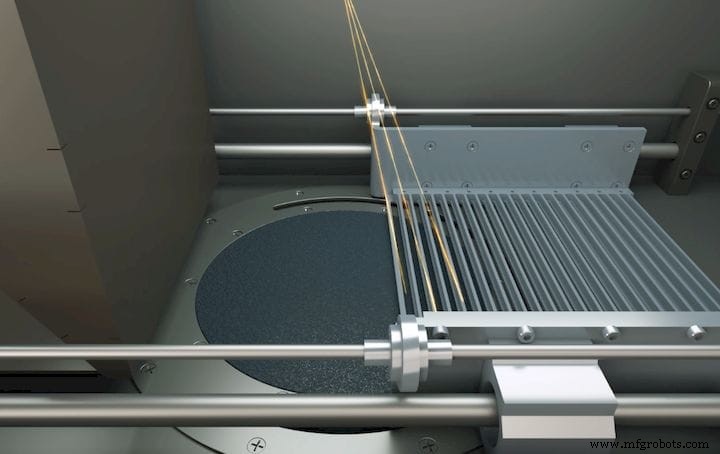
Aurora Labs, an Australian pioneer in metal additive manufacturing, has pushed the limits of powder‑bed fusion with its Multilevel Concurrent Printing (MCP®) system. While conventional machines layer one slice at a time, MCP deposits and fuses dozens of layers in a single pass, dramatically cutting build time.
How it works: A grid‑style recoater feeds powder into multiple hoppers, each laying a different layer. Simultaneously, a bank of laser beams selectively fuses each layer as the recoater moves across the build platform.
In February 2023, Aurora Labs achieved a daily output of 113 kg and printed 10 mm‑high titanium hexagons in just 20 minutes—proof of its potential to scale toward a tonne per day.
2. MELD Manufacturing’s Solid‑State MELD Technology
MELD Manufacturing has introduced a groundbreaking solid‑state process that eliminates the need for high‑temperature melting. The B8 machine, unveiled last year, employs a rotating tool that applies pressure and friction to metal powders or wires, forging dense parts in an open‑air environment.
Benefits: Fully dense, no post‑heat treatment; scalable to large parts; enables on‑site repair and custom alloy creation. The B8’s price point is $800,000, but MELD offers a service model for those hesitant to invest in hardware.
3. VELO® 3D’s Intelligent Fusion
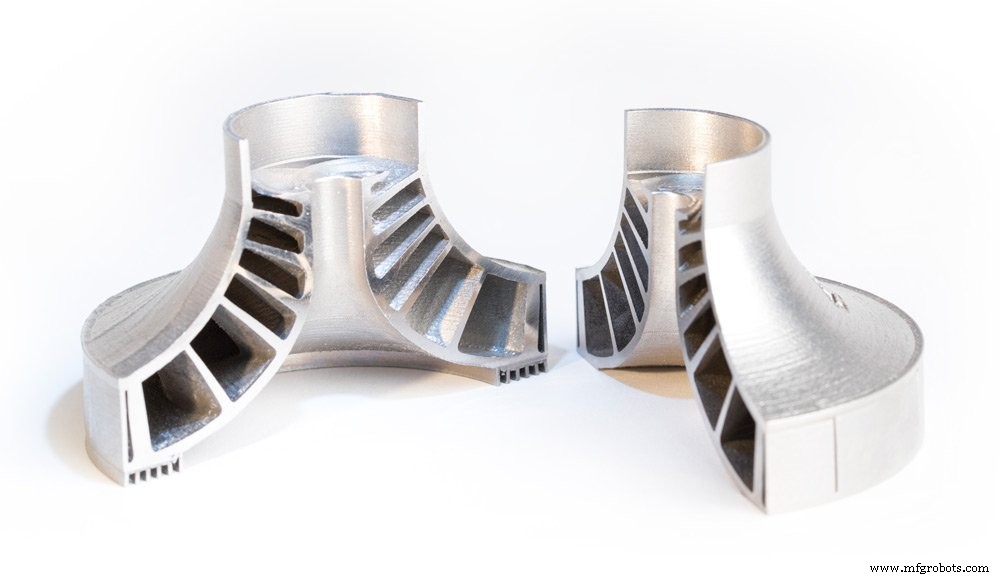
VELO® 3D’s Sapphire 3D printer combines a laser‑based powder‑bed system with the Flow™ software suite, creating a tightly integrated closed‑loop process. The technology supports CAD files directly, bypassing bulky STL files and improving geometric accuracy.
Key results include a 90% first‑print success rate and a reduction of support structures by 3‑5×, making high‑complexity metal parts more reliable and cost‑effective.
4. HP’s Metal Jet
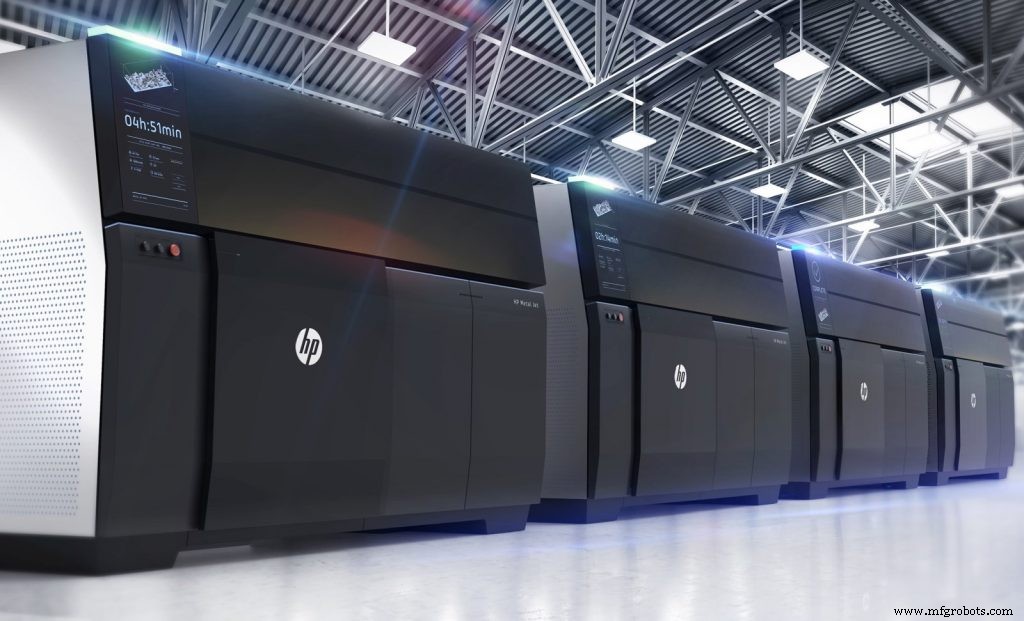
HP’s Binder‑Jetting Metal Jet leverages a dense network of printheads to deposit a binder onto powdered metal. With less than 1% binder by weight, the sintering step is faster and cheaper than traditional metal injection moulding.
HP claims the system can be up to 50× more productive than existing binder‑jetting or laser‑sintering machines, positioning it as a serious contender for serial production of metal components.
Polymer 3D Printing
5. EOS’s LaserProFusion
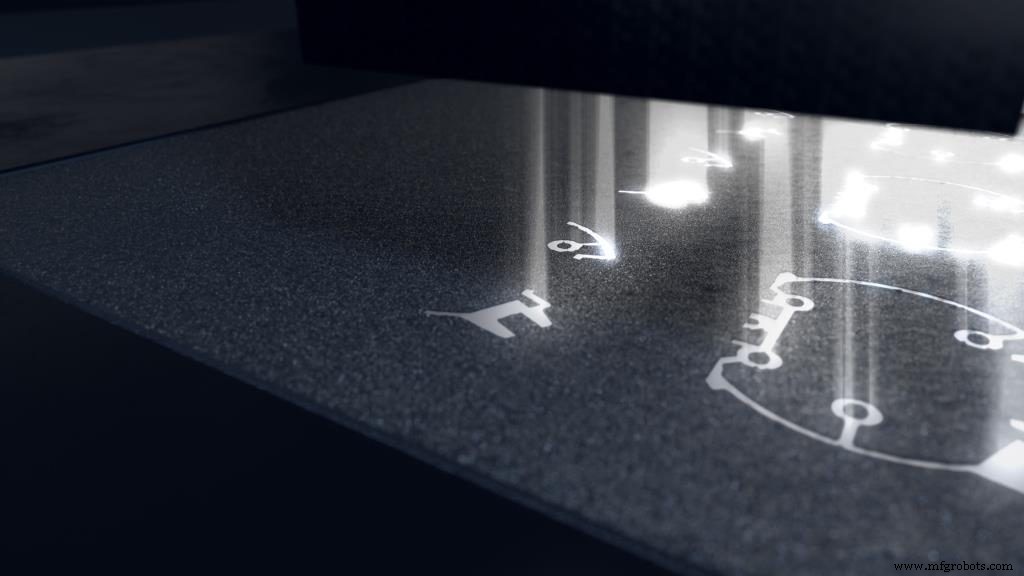
EOS’s upcoming LaserProFusion system promises a tenfold increase in speed over current SLS machines by employing up to one million diode lasers. The design, refined over eight years, aims to compete directly with injection moulding on throughput and precision.
6. Farsoon’s Flight Technology
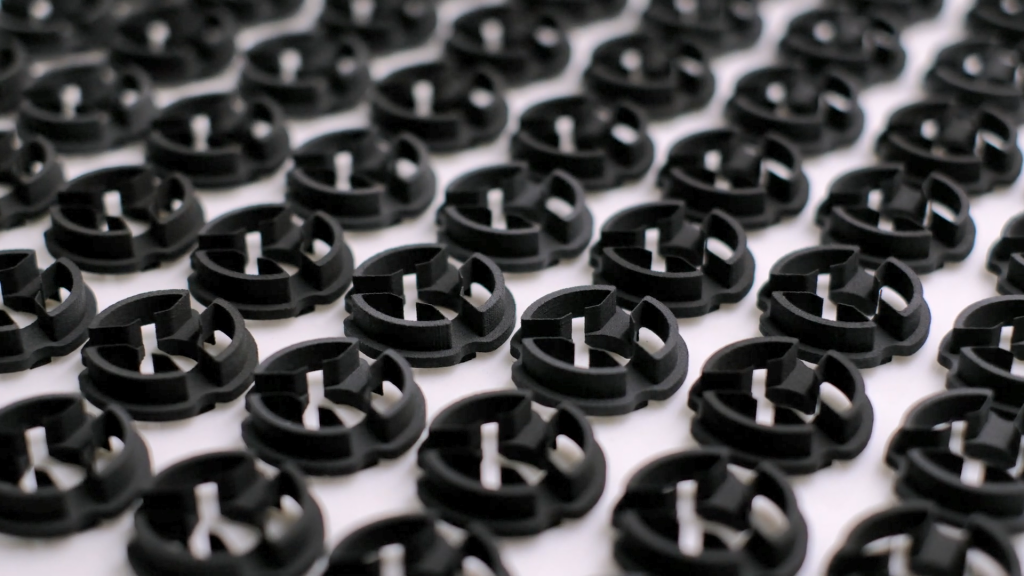
Farsoon’s Flight technology replaces the standard CO₂ laser with a fibre laser, delivering higher power density and a smaller spot size. This allows scanning speeds of over 20 m/s—four times faster than comparable systems—and enables sub‑0.3 mm feature resolution.
7. Essentium’s High‑Speed Extrusion (HSE)
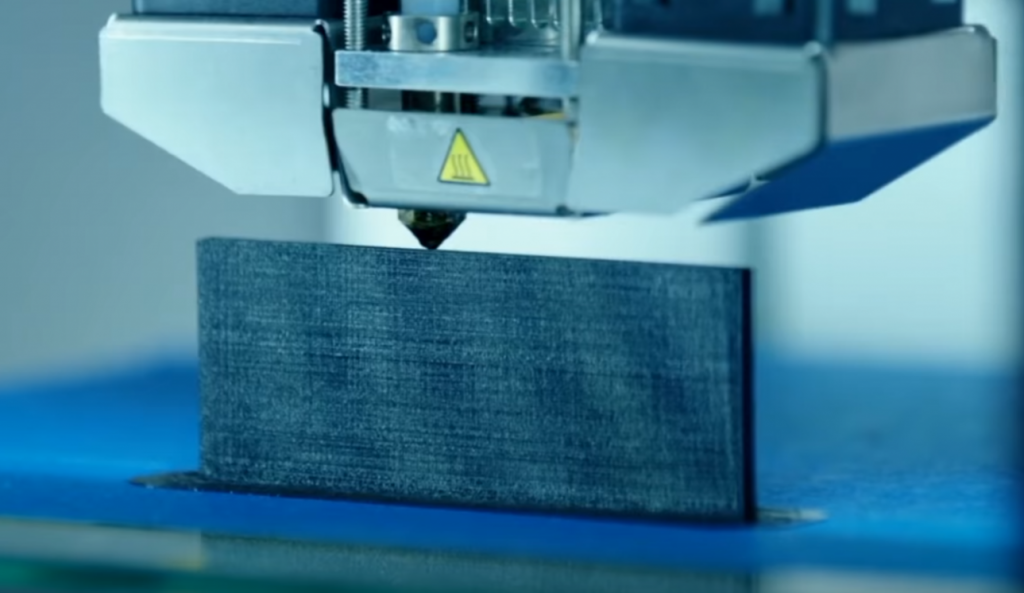
Essentium’s HSE platform pushes Fused Filament Fabrication to new heights by employing all‑linear motors and powerful servos, achieving print speeds of 1 m/s with 30‑µm accuracy. Its proprietary HSE Hozzle™ can heat from 20 °C to 500 °C in just 3 seconds.
The complementary FlashFuse technology applies an electric current to the printed part, heating and bonding layers to eliminate the typical Z‑axis weakness in FFF prints.
8. Evolve Additive Solutions’ STEP
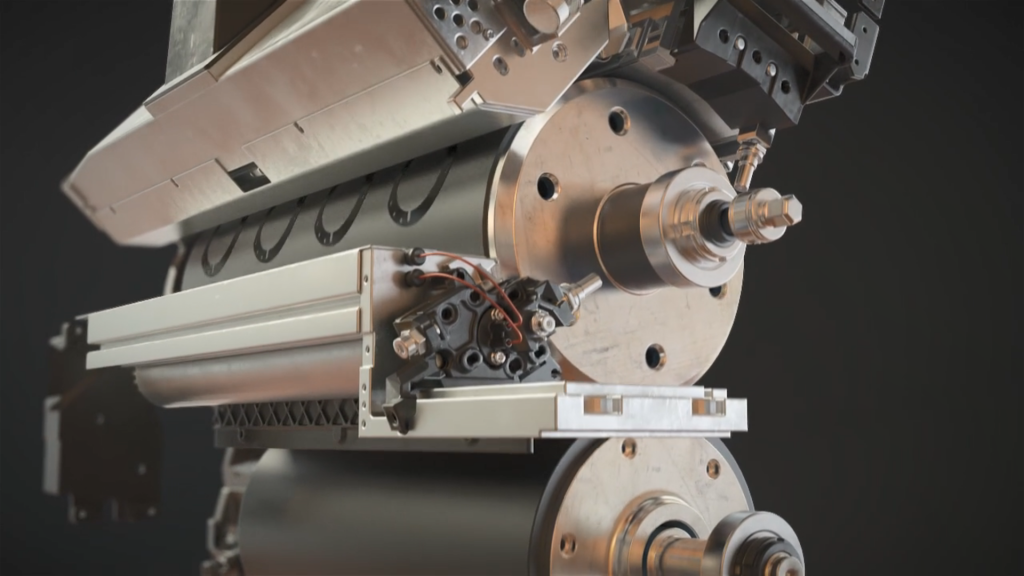
Evolve’s Selective Toner Electrophotographic Process (STEP) departs from lasers and filaments, instead using an electrophotographic roller to deposit and fuse toner layers. The result is a high‑throughput, isotropic part with superior layer bonding.
9. Fortify’s Fluxprint
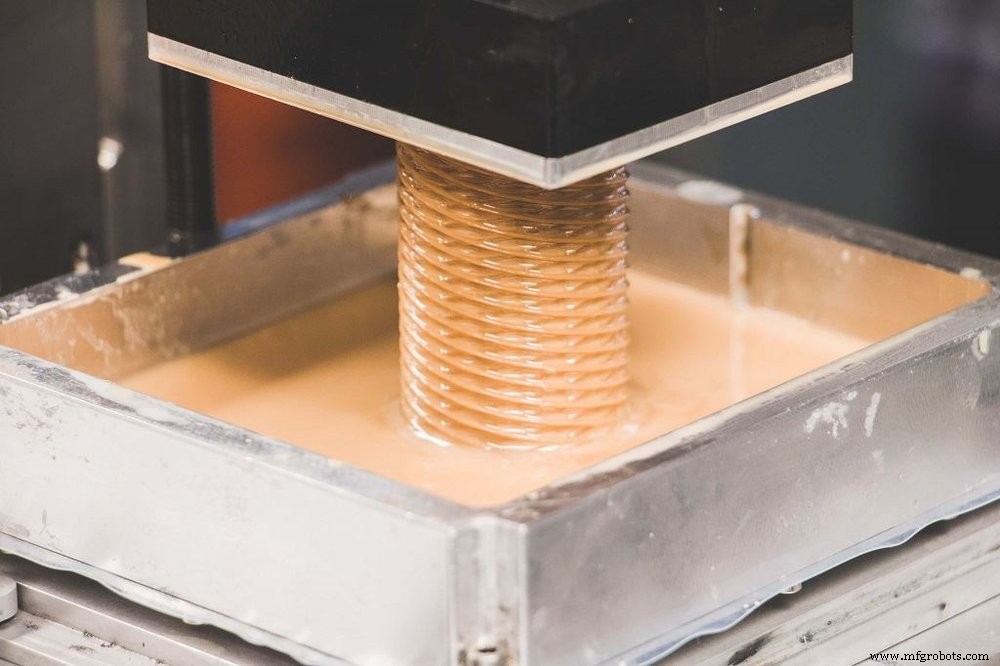
Fortify’s Fluxprint technology harnesses magnetic fields to orient chopped fibers within a polymer matrix during Digital Light Processing. By controlling fiber orientation layer‑by‑layer, the resulting parts exhibit unprecedented stiffness—ideal for injection moulds and automotive tooling.
10. Origin’s Programmable Photopolymerisation (P3)
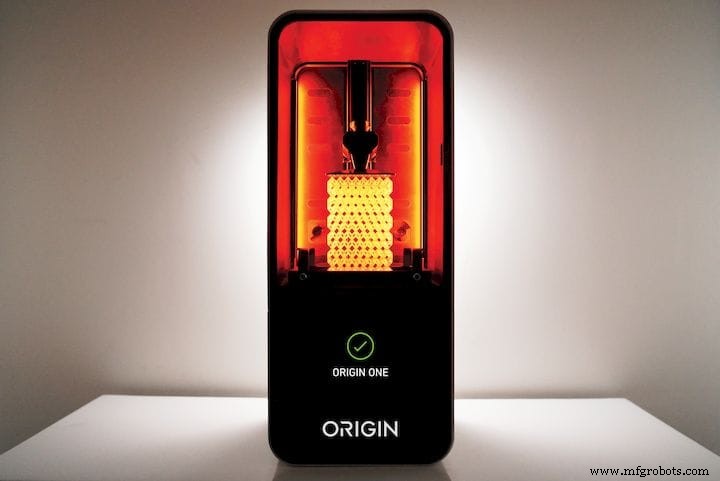
Origin’s P3 technology operates in an oxygen‑free, inert‑gas environment, allowing the build plate to retract with minimal force. Integrated in‑print curing yields 99 % of final part properties, followed by a rapid microwave‑fusion UV step that finishes the part in under five minutes.
With a library of 50+ optimized materials and strategic partnerships (e.g., ECCO), Origin is poised to deliver high‑volume, low‑post‑processing resin manufacturing.
Looking Ahead
While the full impact of these technologies will unfold over time, their shared goal is clear: transform 3D printing from rapid prototyping to mainstream industrial production. By dramatically boosting speed, accuracy, and reliability, they lay the groundwork for a manufacturing ecosystem where additive processes compete head‑to‑head with traditional methods.
3D printing
- Scalmalloy: A High‑Strength Aluminium‑Magnesium‑Scandium Alloy for Aerospace‑Grade Metal 3D Printing
- 10 Cutting‑Edge 3D Printing Innovations Revolutionizing Automotive Production in 2021
- Assessing the Maturity of Metal 3D Printing Technologies
- 2020 3D Printing Hardware Market: Trends, Key Players, and Evolution
- HP’s 3D Printing Journey: From Polymer Innovation to Metal Additive Manufacturing
- Top Metal 3D Printing Materials: Unlocking Additive Manufacturing’s Potential
- Top 5 Metal 3D Printing Applications Revolutionizing Manufacturing
- Understanding the Metal FFF 3D Printing Process: From Printing to Sintering
- A Comprehensive Guide to Metal 3D Printing Technologies
- Desktop Metal Launches Continuous‑Fiber Desktop 3D Printer for Engineers