



Composite 3D Printing: A Growing Technology Poised for Industry Impact
Composite 3D printing, while emerging, holds immense untapped potential.
According to a SmarTech Analysis report, the composite 3D printing market is projected to reach nearly $10 billion within the next decade—a substantial growth opportunity.
This article examines the benefits, market‑ready technologies, and real‑world applications that are propelling composite 3D printing forward.
What is a composite?
Composites combine a core polymer matrix with a reinforcing material such as chopped or continuous fibre. The resulting material offers superior strength and stiffness compared to unreinforced polymers, and in many cases can replace metals like aluminium.
These enhanced properties make composites highly sought after for tooling and end‑use parts across aerospace, automotive, industrial goods, and oil & gas sectors.
Benefits of Composite 3D Printing
Traditional composite manufacturing often requires manual lay‑up, expensive curing equipment, and mould tooling—making the process labor‑intensive, capital‑heavy, and difficult to scale. 3D printing automates the entire workflow, driven by software, with minimal manual intervention needed only during post‑processing.
Key advantages include reduced material waste, faster turnaround, and the ability to create complex geometries that would be impossible with conventional methods.
Continuous vs. Chopped Fibres
In 3D printing, two fibre reinforcement types are used: chopped fibres—small strands under one millimetre—mixed into the polymer, and continuous fibres—long strands integrated with thermoplastics such as PLA, ABS, Nylon, PETG, and PEEK. Continuous‑fibre parts are lightweight yet rival metal strength.
Carbon fibre is the most popular reinforcement, followed by glass and Kevlar.
Composite 3D Printing Technologies on the Market
By 2020, the market was still nascent, dominated by Fused Filament Fabrication (FFF) systems that extrude a thermoplastic filament. FFF handles chopped‑fibre filaments with a hardened steel nozzle, while continuous‑fibre printing requires a second nozzle to deposit an uninterrupted strand.
Markforged: A Pioneer in Continuous Fibre Printing
Markforged introduced continuous‑fibre 3D printing in 2014 with the Mark One. The printer uses dual nozzles—one for plastic filament and one for carbon fibre strands. Although newer models have succeeded the Mark One, the core technology remains unchanged.
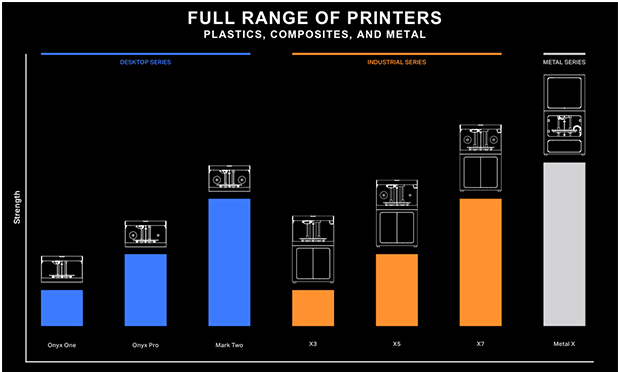
Today, Markforged offers a range of desktop and industrial printers that excel in functional prototyping and manufacturing of end‑use parts and tooling.
Desktop Metal’s Micro Automated Fibre Placement (μAFP) Technology
Desktop Metal expanded its FFF expertise into composites with the Fiber 3D printer launched in November 2019. By merging Automated Fibre Placement (AFP) with FFF, the Fiber system embeds continuous fibre into nylon, PEEK, PEKK, and fibreglass‑reinforced nylon.
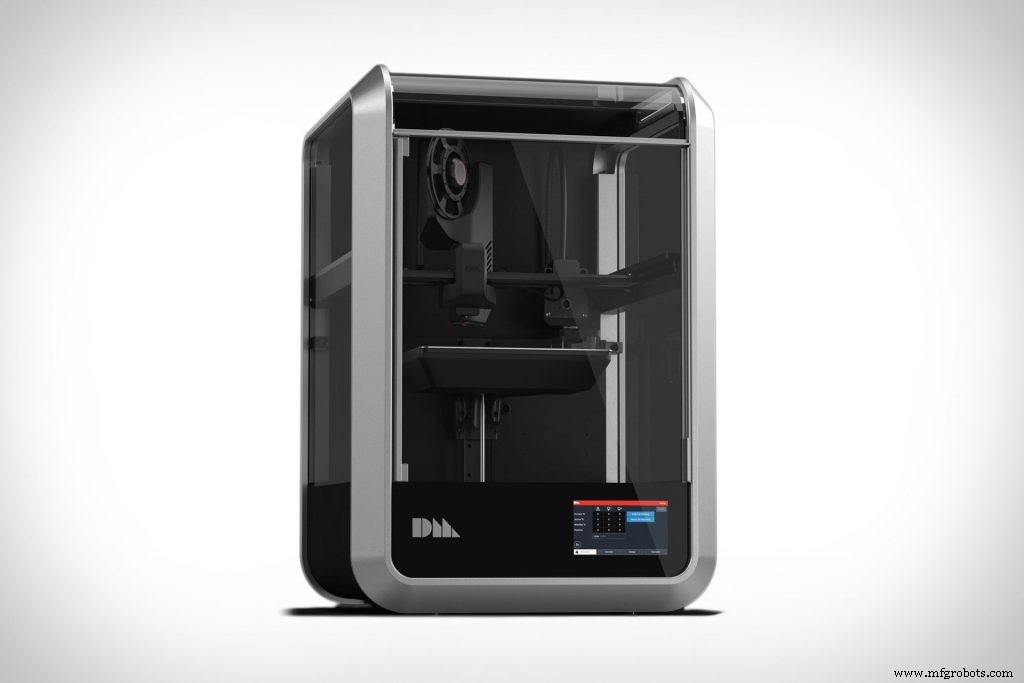
The μAFP approach reduces reliance on hand lay‑up, cutting labor costs and speeding production of small composite parts such as jigs, fixtures, and lightweight racing components.
Anisoprint’s Composite Fibre Coextrusion (CFC) Technology
Anisoprint, a Russian‑Luxembourg startup, introduced Composite Fibre Coextrusion (CFC)—an extrusion‑based process that reinforces plastic with continuous fibres directly during printing, without pre‑lamination. Users can select from PETG, ABS, PC, PLA, Nylon, and adjust composite infill density.
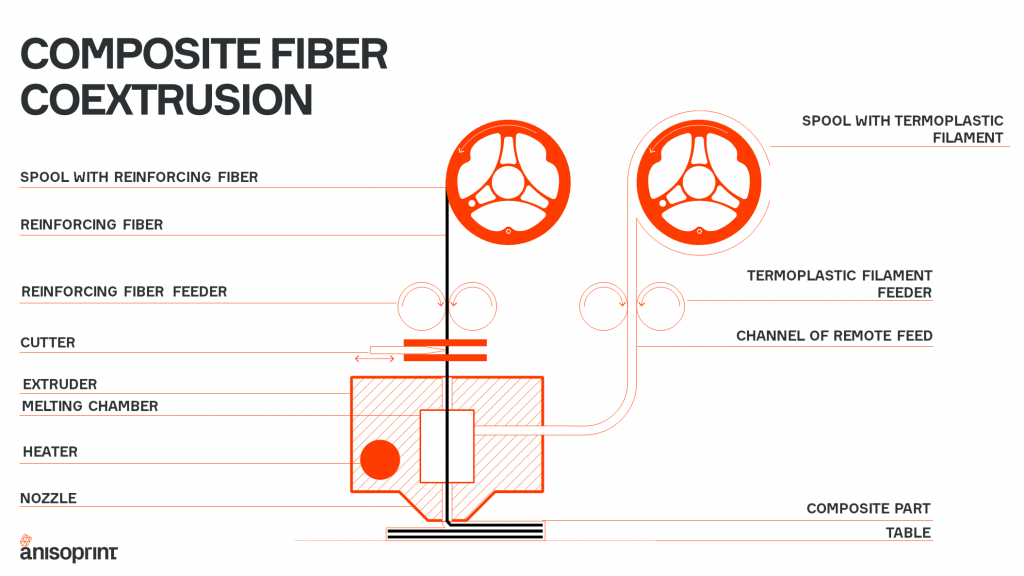
Anisoprint’s desktop Composer 3D printer was followed by the industrial ProM IS 500, capable of four changeable print heads for multi‑material and multi‑composite parts.
Composite 3D Printing Meets Robotics
Integrating robotics with composite printing enhances build envelope flexibility and geometry complexity. Arevo, for example, uses a laser‑based deposition of pre‑impregnated continuous carbon fibre, heated by a laser and compressed by a roller—mirroring Direct Energy Deposition used in metal printing.

The deposition head is mounted on a multi‑axis robotic arm, enabling layer deposition in any orientation and eliminating the typical Z‑direction weakness of conventional layer‑based printers.
Continuous Composites
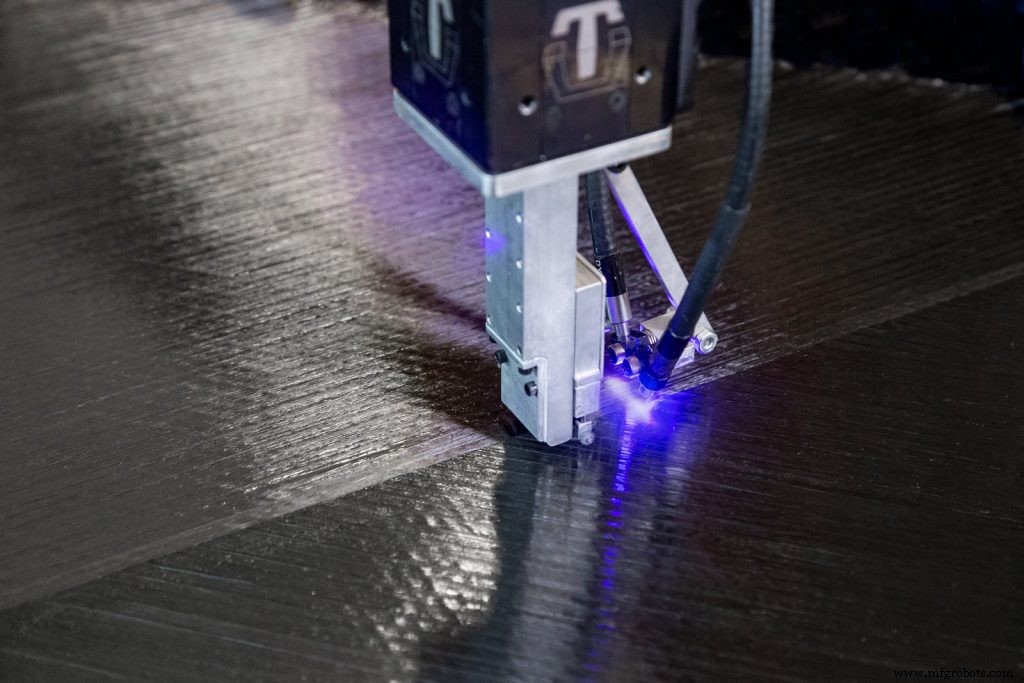
US‑based Continuous Composites uses a seven‑axis robot to feed dry carbon fibre into a printhead that impregnates it with a rapid‑curing photopolymer resin, curing mid‑air for support‑free builds.
Fortify: Digital Light Processing for Composites
Fortify’s Digital Composite Manufacturing (DCM) technology adapts Digital Light Processing (DLP) to composite parts. A magnetic field aligns chopped carbon fibre within a photosensitive resin, producing high‑resolution composites with controlled strength, stiffness, and thermal conductivity in three dimensions.
Fortify focuses on tooling, partnering with Royal DSM and Henkel after raising $10 million in Series A funding. Commercial rollout is slated for next year.
Impossible Objects and Composite‑Based Additive Manufacturing (CBAM)
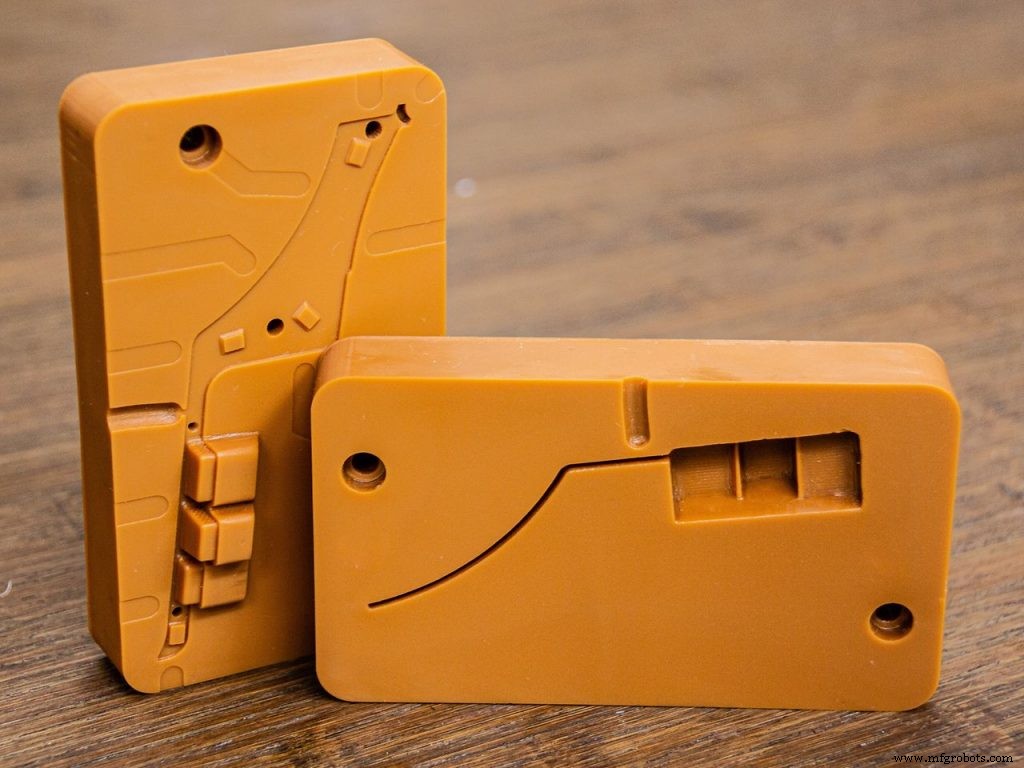
Impossible Objects introduced CBAM, where sheets of carbon fibre are inkjet‑printed with a liquid binder, then covered with polymer powder that adheres only to printed areas. After repeated layering, the stack is compressed and heated to fuse the powder into a reinforced composite.

The CBAM‑2 printer, launched in 2019, can process 12 in × 12 in sheets (≈30 cm × 30 cm) and currently supports PEEK, Nylon 12, and long‑fibre carbon or glass. Additional materials are in development.
Applications of Composite 3D Printing
Composite 3D printing spans prototyping, tooling, and end‑use parts across multiple sectors.
Large Blade Tooling for Aerospace
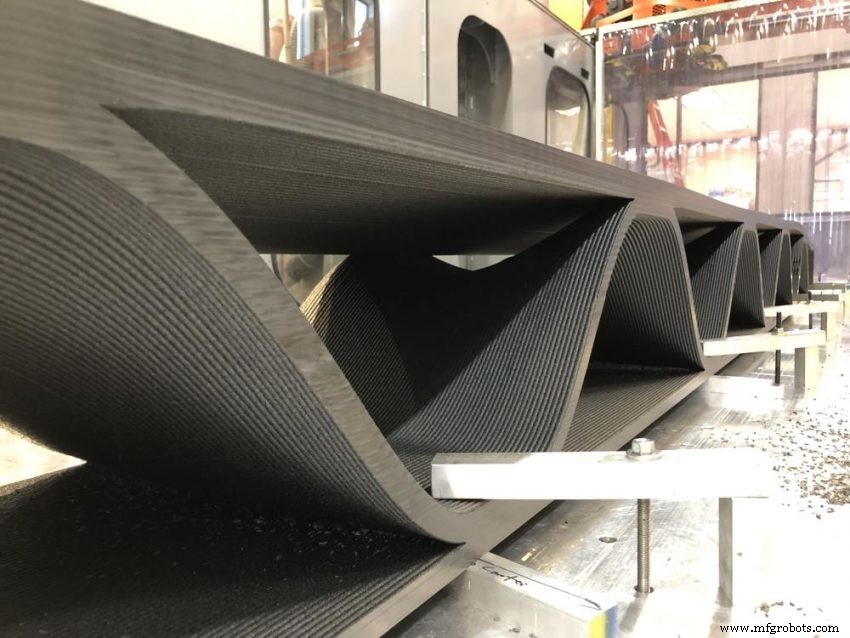
Bell Helicopters collaborated with Thermwood’s Large Scale Additive Manufacturing (LSAM) system to produce a 6 m composite tool for helicopter blade moulding. LSAM’s hybrid additive–subtractive approach enabled rapid production with tight tolerances and autoclave‑ready performance, cutting tool manufacturing time from months to days.
Composite Lifting Tools
Wärtsilä replaced heavy steel lifting tools with a 75 % lighter, carbon‑reinforced polymer tool printed on a Markforged X7. The tool lifts 960 kg, and the switch saved €100 000 in tooling costs.
Carbon Fibre Bike Frames
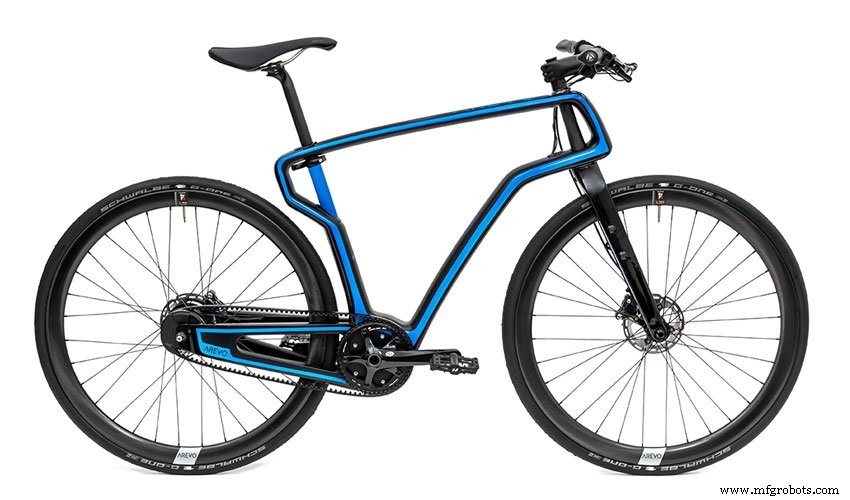
Arevo’s robotic printing process creates bike frames that are uniformly strong in all three dimensions, addressing the anisotropy of traditional filament printing. Their frames cost around $300—substantially lower than conventional carbon frames that range from $1 000 to $2 000.
Composite 3D Printing: Pushing the Limits of Manufacturing
Although still young, composite 3D printing is gaining traction in manufacturing, offering faster, more automated production of complex composite parts. It enables designers to replace metal with high‑performance, cost‑effective composites, reducing material and labor costs while maintaining strength and durability.
These advantages position composite 3D printing to become a standard tool in the modern composite manufacturer’s arsenal.
3D printing
- Choosing the Right Plastic for 3D Printing: A Comprehensive Guide
- ACEO® Unveils Breakthrough Silicone 3D Printing Technology
- A Practical Guide to Ceramic 3D Printing: Techniques, Materials, and Design Tips
- High‑Strength 3D Printing with Carbon‑Fiber Nylon Composite
- Cut Labor & Waste: 5‑Axis CNC 3‑D Printing of Composite Molds
- Impossible Objects & BASF Launch High-Performance Carbon Fiber PA6 3D Printing Solution
- Master 3D Printing with Wood Filament: Techniques & Benefits
- Understanding FDM 3D Printing: A Complete Guide
- Exploring 3D Printing Technologies: SLA, SLS, FDM, DLP, MJF, PolyJet, DMLS & More
- Enhancing 3D Printing: Mastering Support Structures for Complex Builds