



How NMBU’s 3D Printing Lab Rapidly Produced Medical Supplies During COVID‑19: An Interview with Senior Engineer Kristian Omberg
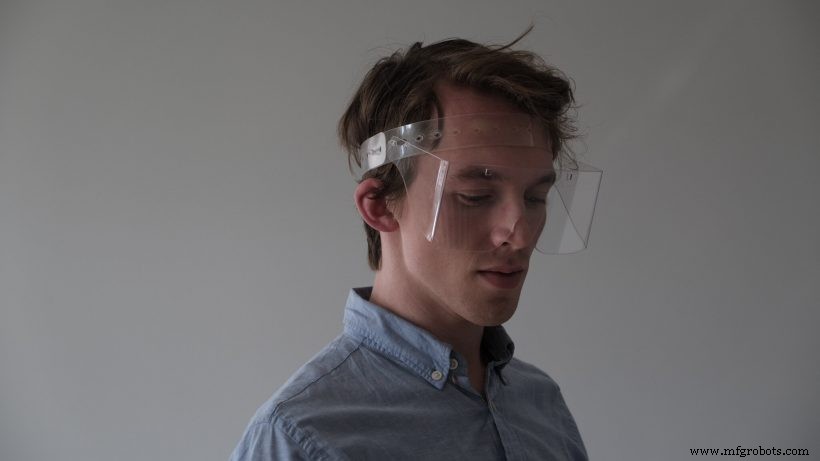
The outbreak of the coronavirus pandemic caused medical‑supply shortages worldwide. In response, the 3D‑printing community mobilised to support hospitals and clinics in dire need of equipment. One notable effort comes from the Norwegian University of Life Sciences (NMBU), based in Oslo.
Using the university’s 3D‑printing lab, NMBU students design and produce protective medical devices to help mitigate Norway’s escalating supply crisis.
We spoke with NMBU’s Senior Engineer Kristian Omberg to learn how the university is manufacturing medical supplies, why 3D printing is pivotal, and how AMFG’s MES software supports these critical initiatives.
Could you tell me a bit about yourself and the work NMBU is currently doing with regard to the coronavirus pandemic?
I’m a lecturer at NMBU, teaching around 250 students annually across five courses in digital production, design technology, and industrial cooperation. Our current focus is on innovation, industry partnership, and, most urgently, healthcare—a sector in dire need of medical supplies during the pandemic.
In recent weeks, we’ve been developing and producing new medical supplies and collaborating with government organisations to deliver them.
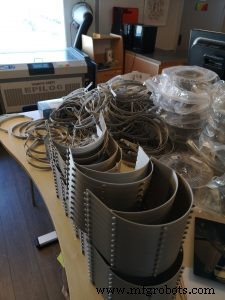
3D printing is integral to our curriculum, encouraging students to experiment and prototype. We also conduct research projects—including microfluidics—demonstrating additive manufacturing to industry partners and helping them build competence in the field.
How did NMBU get involved in the response efforts to the current coronavirus crisis?Our involvement began once Norwegian universities were shut down. A clear shortage of medical supplies emerged, prompting the government to encourage collective action. After identifying the most critical products, we enlisted our students to design protective equipment such as shields, safety goggles, and protective clothing fasteners.
We used our 3D printers to create prototypes and presented them to government officials. Their enthusiasm led us to scale production using 3D printing and laser cutting.
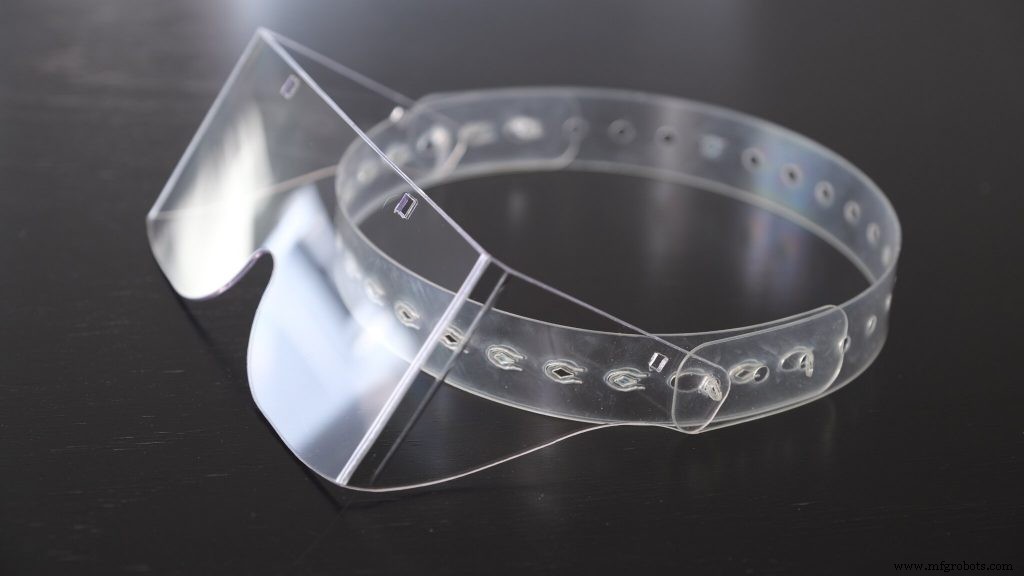
3D printing enables rapid product development, while laser cutting handles production. Multiple design iterations are crucial for manufacturability, and 3D printing offers the flexibility to iterate quickly. For instance, we moved from concept to a fully developed product in roughly 24 hours—a speed unmatched by traditional methods.
How are you using software in this process?We employ AMFG’s MES software to streamline ordering and production. Administrators oversee the entire workflow, allowing students to submit designs directly for 3D printing. The production manager and quality assurance teams then monitor each step, ensuring consistency. Once printed, parts return to the students.
Previously, without a dedicated platform, communication devolved into a chaotic email chain. AMFG’s software has simplified operations, nearly 20‑fold increasing our 3D‑printing capacity and supporting up to 30 design iterations in 24 hours.
For students working remotely, the platform provides an efficient R&D workflow. We are grateful for this tool, which has enabled us to support our country during the pandemic and could serve as a model for other European institutions.
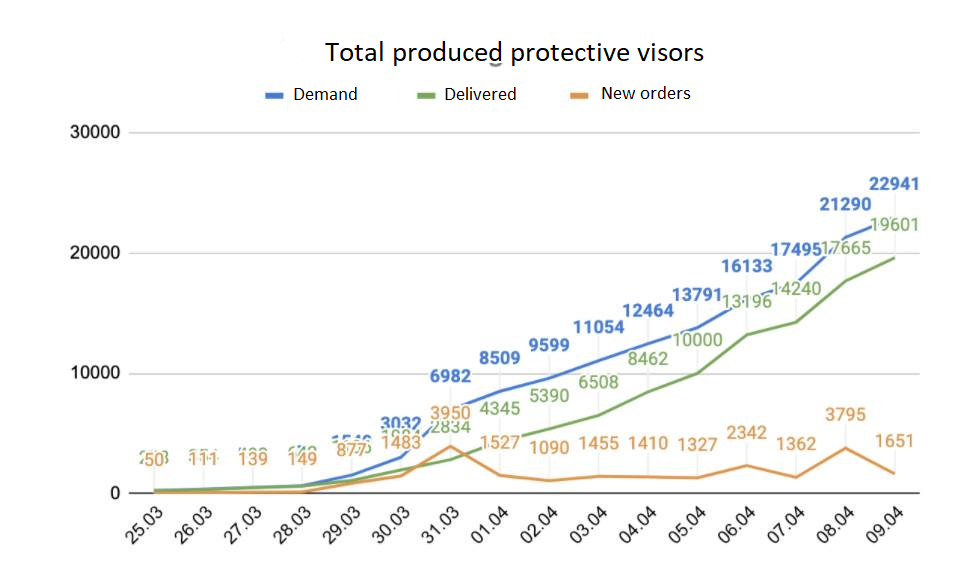
The Norwegian response has been remarkable—around 7,000 individuals, including NMBU volunteers, are now producing medical equipment for the government, all on a nonprofit basis. This scale demonstrates a paradigm shift in public contribution during crises.
How do you see your use of 3D printing evolving?With over 5,000 students at NMBU, we aim to make 3D printing accessible to every student. Our new MES system will help us realise that goal.
To learn more about NMBU, visit: https://www.nmbu.no/en
3D printing
- Ford Drives 3D Printing Innovation: Insights from Additive Manufacturing Leader Harold Sears
- Jabil’s Rush LaSelle Explains How Additive Manufacturing is Revolutionizing Global Production
- Interview with Xometry’s Greg Paulsen: How Manufacturing‑as‑a‑Service Is Revolutionizing Production
- John Barnes, Founder of The Barnes Group Advisors, Discusses Additive Manufacturing’s Future and Workforce Development
- 3D Hubs’ Agata Lovrecich on the Rise of MaaS: 3D Printing, CNC, and the Future of Digital Manufacturing
- COVID‑19’s Impact on Manufacturing: Insights from 10,000+ Global 3D Printers
- Boosting PPE Production: How Manufacturers Can Support COVID-19 Efforts
- Rapid Manufacturing: A Key Weapon in Combating COVID-19
- How COVID-19 Continues to Shape Modern Workplaces: Insights for Small Manufacturers
- The Crucial Role of Precision Machining in Medical Device Manufacturing