


Industrial manufacturing
Industrial Technology


Mechanical power transmission involves using different types of systems to transfer energy from one component to another without changing its nature. When motion coming from a driving mechanical component is transferred to another without being changed, there is power trans
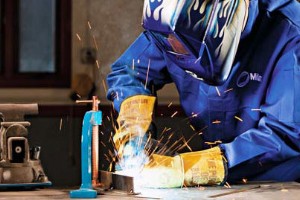
Can you think of many objects that aren’t made with welded parts or welded themselves? It’s a hard task. We know welding is an integral part of the manufacturing process, but with so many different methods, it can be hard to understand the difference or determine which method is b
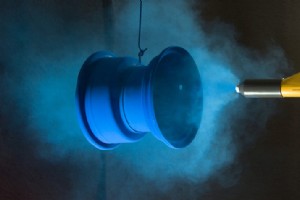
Let’s take a look at why powder coating is often the preferred metal coating for industrial equipment and beyond. Powder Coating vs. Paint Applications Both paint and powder coat require similar surface prep and utilize a spray “gun” to apply the specific material, but that’s where
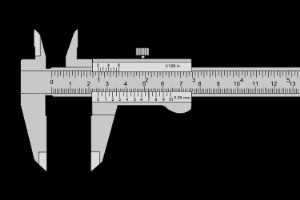
So you finally found the right solenoid valve to replace your broken one. You call to check stock on the item and the sales rep asks you what thread type you need. You ask, “How do I find out what thread type I need?” Fortunately, we’ve got you covered. Below you’ll find a detaile
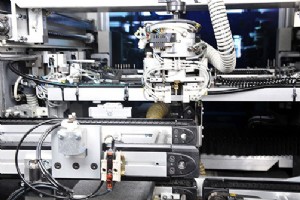
Are you excited that the future of American manufacturing is looking brighter due to reshoring? We think it’s great too, but have you noticed something different? Manufacturing has changed. There are new technologies and jargon, such as talk of Industry 4.0, robots, co-robots, and t
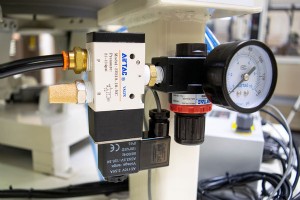
Industrial pneumatic systems and their components might sound like complex concepts to understand. Yet, their function and components are simple to grasp once you breakdown each device type. Many industries favor pneumatic equipment and integrate it into their machines because it is
Are you currently using a variable frequency drive (VFD) with your motor system? If so, then you might not be aware of the damages VFD drives and other types of motor control devices have on your running motor. These include electrical currents and harmonics. So, what is the solutio
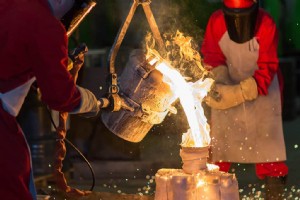
Lost wax, one-time molds create precision products with finer surfaces What is investment casting? Investment casting, often referred to as “lost-wax” casting, uses an expendable-mold process to create complex products with exceptionally fine surfaces. It’s a precision technique
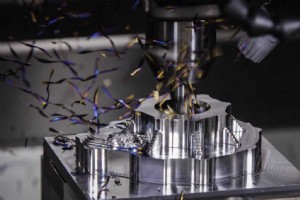
Precision forming of metal products Making objects out of metal involves many manufacturing processes. One of these is machining, a necessary requirement of mass manufacture in the modern age. Machine tools cut, bore, grind, or otherwise shape metal by removing some of it with a cut
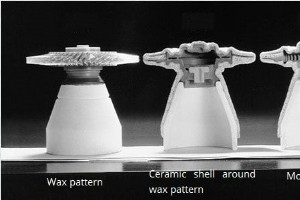
Investment casting is one of the centuries-old metal manufacturing processes, which can date back 5,000 years. In its earliest forms, beeswax was used to form patterns necessary for the casting process. Today, more advanced waxes, refractory materials, and specialist alloys are typical
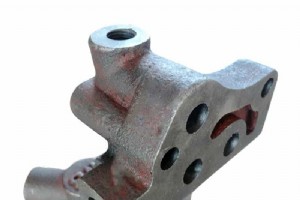
Classification of Casting Process Sand CastingShell Mold CastingInvestment CastingDie CastingLow Pressure CastingCentrifugal CastingGravity CastingVacuum CastingSqueezing CastingLost Foam CastingContinual Casting Sand Casting Casting method for manufacturing castings in the sa
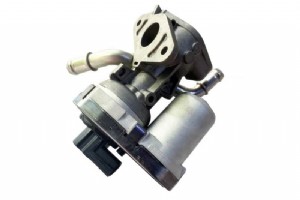
The stainless steel investment casting industry is different from the traditional casting industry. Although China is already the country with the largest casting volume in the world, investment casting is still in the development stage, and there is still a big gap with developed countrie
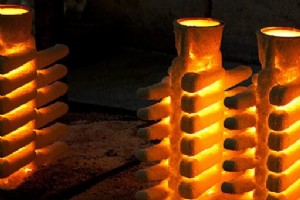
What is Investment Casting Process? The investment casting process refers to making a model with wax, wrapping a layer of refractory materials such as clay on the surface, heating the wax to melt and flow out, so as to obtain an empty shell formed by the refractory material. Pour the
In the manufacturing industry, especially in key industries such as aviation, aerospace, national defense, and automobile, the basic core components are generally metal parts, and a considerable number of metal parts are asymmetric, irregular curved surfaces or parts with complex structure
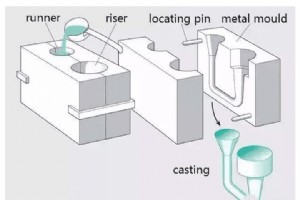
Casting Metal liquid forming, or casting usually refers to the machining way that pouring liquid metal into a casting cavity suitable for the shape and size of the part, and then cooled and solidified to obtain the blank or part. Technological Process Liquid metal-mold filling-sol
Why should we choose investment casting for stainless steel parts? Some stainless steel products with complex structures are not able to be manufactured by bending and other processings, while we can choose the investment casting, from wax mould to sand mould, and then liquid stainless
1.What’s the difference between forging and casting? (1)Conceptual Distinction Casting is a to transfer the shapeless liquid metal into a shaped solid. Forging is to changes one shaped solid into another different shape.Forging is like the wax-shaping process. When you melt
Sodium silicate casting is a common processing of precision casting used in the most precision foundries. We’ll make brief introduction about the it’s principle and detailed processings. Firstly, we need to melt and mold the glass. Generally, after the mold is made, the l
1.Overview (1) Sodium silicate, also known as silicate of soda, it is a dispersion system of sodium silicate, potassium silicate, lithium silicate and quaternary ammonium silicate in water with the coexistence of ions, molecules and colloidal particles of silicate. (2)
There are two temperature indicators which will affect the die casting production. One is the pouring temperature and the second is the mold temperature. 1. Pouring temperature Pouring temperature refers to the temperature at which the liquid metal enters the mould cavity
Industrial Technology
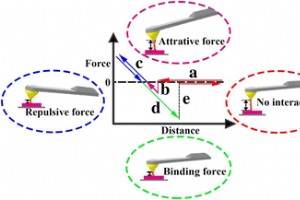
Atomic Force Microscopy of Glass Transition and Adhesion in Thin Polystyrene Films

API Automation vs. iPaaS: Are They Competitive or Complementary?
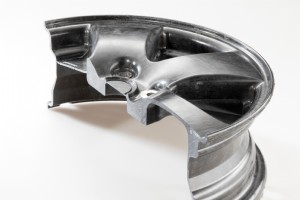
Evonik's VESTALITE S: Advanced Epoxy Hardener for High-Performance SMCs in E-Mobility

3 Proven Strategies to Eliminate Repetitive Tasks in Additive Manufacturing
