



Personal Healthcare Assistant (PHA) – Smart IoT Solution for Community Health
Components and supplies
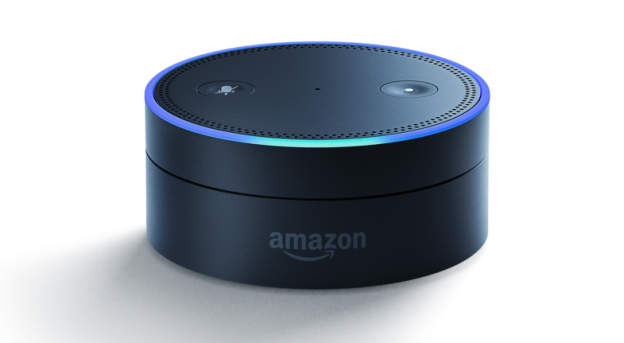 |
| × | 1 | |||
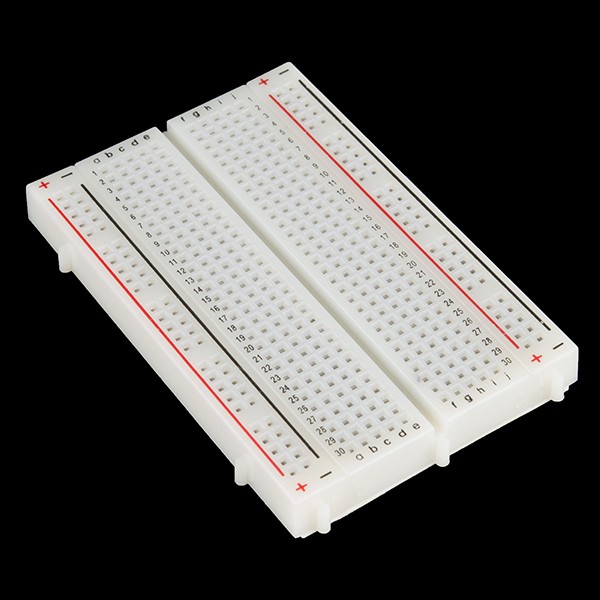 |
| × | 1 | |||
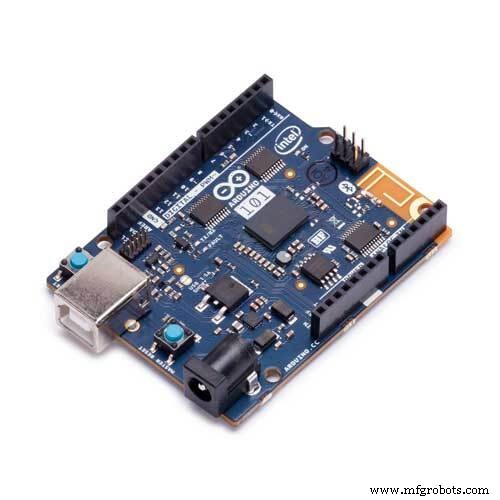 |
| × | 1 | |||
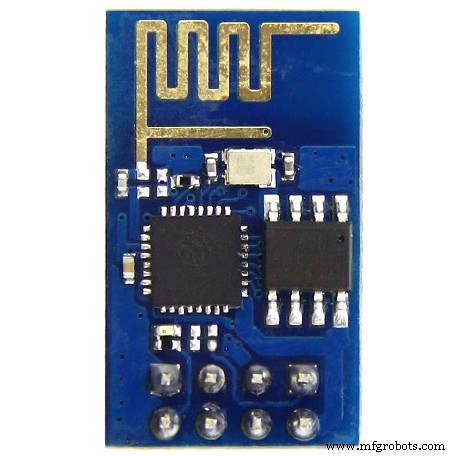 |
| × | 1 |
Necessary tools and machines
 |
| |||
|
Apps and online services
 |
| |||
 |
| |||
 |
| |||
|
About this project
Our solution — Personal Healthcare Assistant (PHA)PHA will help the city of Las Vegas to meet its Community Risk Reduction goal and increase survival from sudden cardiac arrest.
- Increase the percentage of people suffering from sudden cardiac arrest who are discharged from the hospital by 10% by 2021 using the Utstein survival rate.
Current survival rate 23.57%
Target survival rate 31.43%
Each year, approximately 300,000 people in the United States experience an out-of-hospital cardiac arrest (OHCA). An OHCA is defined as cessation of cardiac mechanical activity that occurs outside of the hospital setting and is confirmed by the absence of signs of circulation.
Whereas an OHCA can occur from non-cardiac causes, the majority (70%--85%) of such events have a cardiac cause. Cardiac Arrest Registry to Enhance Survival (CARES) data confirm that patients who receive CPR from bystanders have a greater chance of surviving OHCA than those who do not.
The mean age at cardiac arrest is 64.0 years. On average:
- 66.4% of arrests occurred at a home or residence
- 13.5% occurred at a nursing home or assisted living facility
- 5.9% occur in a public building
Although 36.7% of OHCA events were witnessed by a bystander, only 43.8% of these arrests involved persons who received bystander CPR, and only 3.7% of those persons were treated with an AED before the arrival of 911.
Factors positively associated with short-term survival after OHCA are:
- Witnessed OHCA
- Early start of cardiopulmonary resuscitation (CPR)
- Short time until arrival of ambulance
More than 65% unwitnessed arrest occur at home and probably without any person close by to help (bystander witness).
- The unwitnessed cardiac arrest survival rate is less then 4% vs 15% and 18.5% of bystanders witnessed and witnessed by 9-1-1 responder respectively.
This personal assistant could stay close to potential cardiac arrest patients and provide guidance and/or execute the critical actions to improve chances of survival (chain of survival):
- Rapid recognition and activation of Emergency Medical Services (EMS) via 9-1-1
- CPR started quickly
- Rapid delivery of advanced life support
- Early post-resuscitation care

PHA is a wearable that can detect when people faint or fall (potentially due to a cardiac problem), record messages, and automatically call for 9-1-1 services providing the address, and send alerts to neighbors previously trained in CPR technique and or they can be guided through it with Alexa's assistance.
Alexa can also be activated using voice commands such as “Alexa, I need help, please call 911,” and a voice with a pre-recorded message will be made to both medical services and emergency contacts (neighbors and relatives).
Technical ArchitecturePHA is a wearable based in Curie Intel processor that collaborates with the Amazon Echo Alexa to monitor people´s health.
Using a 6-axis accelerometer, PHA can detect when a person faints or falls, and automatically sends an alarm request to medical services and previously registered emergency contacts. The person can also request help using an Alexa skill which is activated with the command "Alexa, help. Call emergency."
In case that the person is not injured when they fall, the emergency call could be cancelled within the first minute, using the command "Alexa, I am OK."
Executive PresentationSlideshow Presentation via Google Drive
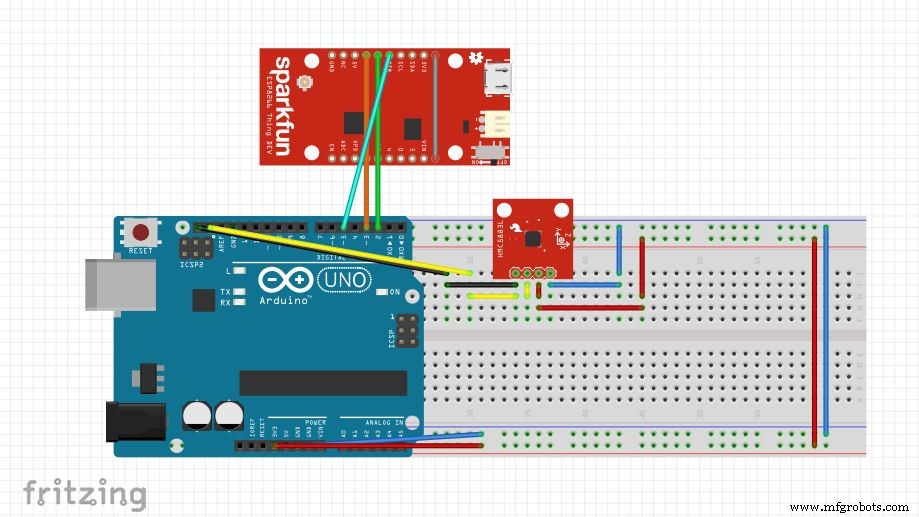
Code
Personal Health Assistant (PHA)
https://github.com/technomadic-interactive/HackathonLV2017Schematics
Manufacturing process
- 3D RGB Arduclock – Bluetooth LED Timepiece with Real‑Time Clock
- River Health Monitor: Arduino-Based Water Quality System
- Interactive Joystick Game with Arduino and LED Feedback
- Find Me: Smart Item Locator with Arduino and Bluetooth
- Arduino-Powered Little Rover: Build Your Own Autonomous Robot
- Build a Custom Arduino Joystick Steering Wheel for Gaming
- PhoneLocator: Securely Locate Your Phone Anywhere
- Smart Alzheimer’s Companion: Arduino-Based Alert System
- Health Band: Reliable Smart Wearable Assistant for Seniors
- Smart Garage Parking Assistant with RGB LED Feedback