



Trophies: From Ancient Glory to Modern Manufacture – A Comprehensive Guide
Background
Trophies serve as tangible symbols of achievement across academia, business, and sports. Crafted to showcase excellence, they frequently feature sculptural figures, sport equipment, or animals tied to the specific competition—particularly in agricultural fairs. For winners, a trophy is more than decoration; it embodies recognition and is proudly displayed in homes, offices, and educational institutions.
Trophies range from inexpensive to almost priceless. They can be unique, like the one‑of‑a‑kind Stanley Cup awarded to each year’s National Hockey League champion, or mass‑produced, molded plastic figures costing less than a dollar. Each is considered a treasure regardless of its monetary value.
Once made of metal atop a wooden or metal base, many trophies are now molded in plastic and colored to resemble gold, silver, or brass. Parts are manufactured in factories and then assembled by award dealers who sell to the public. This modular approach allows retailers to combine silvertone, goldtone, or clear plastic figurines with marble‑like or wood‑like bases, producing a virtually endless array of trophies. Figures now come in hundreds of forms—suit‑attired saleswomen, Irish step dancers, bait casters, pistol marksmen, and women’s lacrosse players, to name a few.
History
Since ancient times, trophies have marked victories. The word "trophy" derives from the Greek tropaion, from trope meaning "to rout." In ancient Greece, trophies were erected on battlefields at the site of victory, displaying captured arms, standards, and sometimes a wooden figure of a warrior. They were inscribed with battle details and dedicated to gods. Naval trophies comprised entire ships or their remnants, laid out on shore to symbolize conquest. Destroying a trophy was considered sacrilege because it was offered as tribute to the divine.
The Romans adapted the concept for home display. Instead of battlefield relics, they commissioned elaborate trophies in Rome, often featuring columns and arches atop foundations. Massive stone memorials—now largely lost—were once crowned with sculpted stone trophies that commemorated triumphs.
Little is known about trophies from the Middle Ages. Chalices—two‑handled silver cups—were awarded to sporting victors as early as the late 1600s in the New World. An exquisite sterling cup in the Henry Ford Museum in Dearborn, Michigan, the Kyp Cup (made by silversmith Jesse Kyp), was presented to the winner of a 1699 horse race between two New England towns. Chalices became a common award for horse racing, boating, and early automobile racing. Modern sporting trophies often take the form of cups: the Davis Cup (first awarded 1900), the Stanley Cup (1894), and the World Cup for alpine skiing (since 1967).
Today, plastic trophies are affordable and widely awarded. They typically fall into three categories: a clear plastic action figure atop a base, a gold‑colored or silver‑colored action figure, or a rectangular plinth holographically decorated with event graphics, then placed on a plastic base.
Raw Materials
Plastic dominates trophy production, though a single trophy may incorporate multiple materials. Hot‑stamp metallic foils are pressed into figurines to give them a realistic gold or silver sheen, unless the design is clear. Gypsum is inserted into bases for weight, and metal studs are molded into components to reinforce structural integrity.
Design
A trophy is assembled from discrete components rather than sculpted as a single piece. The base—often a plastic imitation of marble or wood—forms the foundation and comes in crescent, sculpted, tiered, or specialty styles. Columns support the figurine or additional tiers and may be plain metal, faux marble, or holographic. A decorative riser sits between the base and columns, indicating the winner’s rank (first, second, or third). Finally, the figurine crowns the assembly, capturing the essence of the competition.
Design begins with customer consultation. A new‑products team gathers feedback through market research and focus groups, identifying desired components and unmet needs. Creative professionals—sculptors, graphic artists, conceptual designers, and engineers—translate these insights into sketches or prototypes. Once a concept receives committee approval, the tooling department creates steel dies for injection molding. Material selection follows durability and functional criteria. The design undergoes rigorous scrutiny for aesthetics, manufacturability, and durability; any issues prompt reassessment, which can take up to four weeks. Upon final approval, the part enters mass production.
The Manufacturing Process
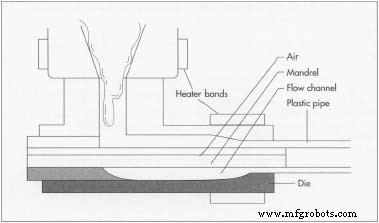
- Each trophy component is produced by either injection molding or extrusion. Most parts—including risers, bases, and figurines—are injection‑molded. A continuous feed of plastic pellets is melted and forced into steel dies under high pressure, a process known as extrusion. The result is a uniform, high‑quality part ready for assembly.
- The molding machine is equipped with specialized steel dies that shape up to twelve components per cycle, depending on size. An operator monitors the process, ensuring consistent temperature and pressure. The figure’s metal stud is inserted during molding to reinforce thin sections.
- Bases are filled with gypsum to provide heft without excessive brittleness, then sealed and trimmed.
- Figurines destined for metallized finishes are washed, then heated metal foil is pressed onto them using a hot‑stamp machine. Color and texture are added as needed before the parts are boxed for shipment.
- Columns are produced by extruding plastic through a die and cutting to length, then boxed.
- All components are automatically bagged and boxed, ready for distribution to assemblers.
Quality Control
Precision machinery—especially steel dies—is routinely inspected, maintained, and cleaned to guarantee accurate, high‑quality parts. Incoming materials, from metal foil rolls to plastic pellets, undergo approval testing. Once trophies leave the line, inspectors verify shape, color, and foil application, ensuring each piece meets strict standards.
Byproducts/Waste
Defective parts are sorted by plastic type and color, then recycled through grinding for use in other products. High‑value components, such as figurines and clear acrylic plinths, are fabricated from new material to preserve quality. Molding machines emit ambient plastic dust, captured by air scrubbers. Water discharged from the plant is reclaimed and treated to remove contaminants before release.
Manufacturing process
- What is VMC Machining? An Expert Overview of Vertical Machining Centers
- Expert Guide to Aluminum Laser Marking: Precision, Durability, and Industry Applications
- MIG vs. TIG Welding: Selecting the Right Arc Welding Technique for Your Project
- Comprehensive Guide to Laser Marking: Types, Benefits, and Applications
- Key Considerations for High‑Volume Swiss Machining
- CNC Prototyping Guide: Precision, Speed, and Cost‑Effective Production
- Expert Shaft Manufacturing: Precision Processes & Custom Solutions
- Trophies: From Ancient Glory to Modern Manufacture – A Comprehensive Guide
- COVID‑19 Accelerated Digital Transformation: Why Modern Businesses Must Embrace Technology
- Beginner CNC Programming: Interactive Drag‑and‑Drop Game