



Dental Crowns: Materials, Design, and Modern Fabrication Techniques
Background
A dental crown is a precision‑crafted cap that restores a damaged tooth, providing support, shape, and a natural appearance. Crowns can be made from metal, ceramic, plastic, or hybrid materials and are cemented into place with a durable adhesive. Historically, tooth replacements ranged from animal teeth and bone to ivory, porcelain, and even platinum. Today, high‑strength ceramics, advanced polymer composites, and lightweight metal alloys dominate the market, offering superior aesthetics and longevity.
Design Principles
Choosing the right material and shape is critical. Materials must meet the American Dental Association’s ANSI Specification #41 for biological safety—non‑allergenic, non‑carcinogenic, and capable of withstanding the moist, high‑pressure environment of the oral cavity. Strength, wear resistance, and visual match are balanced against the tooth’s location: front teeth favor translucent porcelain or acrylic for a natural look, while molars often use gold or titanium alloys for durability.
Every crown is custom‑fit. The dentist records the tooth’s exact morphology with a high‑resolution impression, then designs the restoration to replicate the original tooth’s occlusal profile, ensuring comfort and functional bite.
Raw Materials
Molding Plasters
Gypsum‑based plasters create the negative mold. Impression plaster records the tooth’s shape; model plaster builds a positive cast; investment plaster withstands the high temperatures needed for metal and ceramic casting.
Crown Construction Materials
- Metals: Gold, titanium, and other alloys offer unmatched strength and corrosion resistance. Alloys of mercury, silver, chromium, and titanium were used historically; modern alloys avoid mercury.
- Ceramics: Glass‑ceramics and potassium feldspar ceramics provide excellent aesthetics but are brittle; they are therefore often bonded to a metal substructure.
- Resins: Polymethyl methacrylate (PMMA) and other acrylic polymers give a tooth‑colored, flexible option, especially for partial coverage.
Adhesives
Two families: aqueous cements (zinc phosphate, polycarboxylate, glass ionomer, calcium phosphate) and non‑aqueous cements (zinc oxide‑eugenol, calcium chelates, PMMA). Choice depends on the material and clinical protocol.
Coatings
Porcelain veneers provide a natural gloss and stain resistance, while resin coatings are cost‑effective and easy to match to tooth shade, though they have lower abrasion resistance.
Manufacturing Process
Creating the Mold
- Prepare the tooth by removing 2–3 mm of enamel and dentin; take an impression with soft impression plaster.
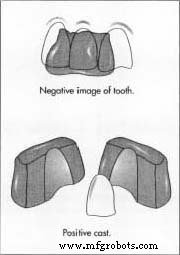
- Pour model plaster into the impression to create a positive cast.
- Cast an investment mold from a high‑temperature‑resistant gypsum blend.
Fabrication
- Fill the investment with the chosen material: molten metal, ceramic slurry, or polymer resin.
- Use a vertical vise and release agent to ensure clean removal once the material hardens.
- For acrylics, cure for up to eight hours to guarantee complete polymerization.
Installation
- Apply the selected cement to the crown interior.
- Seat the crown, then adjust any minor fit discrepancies with light grinding.
Finishing
- Apply a thin acrylic or porcelain coating to seal and enhance the natural look.
- Use UV light if required for polymer curing.
Quality Control
Because each crown is unique, meticulous hand‑finishing and fit checks are essential. Potential issues include caries, periodontal disease, mechanical fracture, poor cementation, and discoloration. Dedicated crown removal systems with precision channels allow safe extraction when replacement is necessary.
Byproducts & Waste
The handcrafted nature of crowns keeps waste minimal—primarily gypsum fragments and excess acrylic resin.
The Future
Advanced CAD/CAM workflows now produce dense‑sintered ceramic cores with porcelain overlays, achieving strength and aesthetics that can be used in any quadrant. The Procera process, developed in Switzerland in the 1990s, exemplifies this approach. Additionally, pre‑made stainless‑steel crowns offer a quick, standardized solution, though they lack the custom appearance of patient‑specific crowns. Ongoing research into high‑adhesion resins promises further improvements in moisture tolerance and long‑term durability.
Manufacturing process
- Titanium: Key Properties, Applications, and Industrial Uses
- Castanets: History, Craftsmanship, and Performance
- The History, Production, and Future of Glue: From Ancient Adhesives to Modern Innovations
- Thread: Types, History, Production, and Quality Control
- Acetylene: Production, Uses, and Handling – A Comprehensive Overview
- Comprehensive Overview of Asbestos: From Ancient Uses to Modern Health Risks
- The History, Design, and Manufacturing of Dice: From Ancient Tools to Modern Gaming
- Plywood: History, Production, and the Path Ahead
- Tin: From Bronze Age to Modern Industry – Uses, Production, and Future
- The Dental Drill: History, Design, and Future of Modern Dentistry