



Master Python Unit Testing with PyUnit: A Practical Guide & Example
What Is Unit Testing?
Unit testing in Python uncovers defects early, reducing the cost and effort of later fixes. A unit test is a small, isolated code snippet that verifies the behavior of a single component—typically a function or class—within a module.
Core Testing Techniques in Python
Effective unit tests focus on a single module while isolating external dependencies. Developers frequently use stubs and mocks to simulate parts of the system that the unit under test interacts with.
- Test‑Driven Development (TDD): Write the test first, then implement the code to satisfy it. This cycle ensures that the codebase remains test‑driven and maintainable.
- Stubs & Mocks: A stub provides a fixed response to a dependency, while a mock verifies that the code under test interacts with the dependency as expected.
Python Unit‑Testing Frameworks
Choosing a robust framework streamlines test creation, execution, and reporting. The most common options are:
- PyUnit (unittest): The standard library offering fixtures, test cases, suites, and a test runner. It’s a direct port of JUnit and integrates seamlessly with Python projects.
- Nose: Extends unittest with plugins for output capture, code coverage, and doctest integration. Its syntax is concise, lowering the barrier to writing tests.
- Doctest: Embeds test examples in docstrings, enabling quick verification of documentation examples. It’s ideal for simple usage checks but less suited for complex edge‑case testing.
Getting Started with PyUnit
PyUnit’s unittest module defines five key classes that structure the testing workflow:
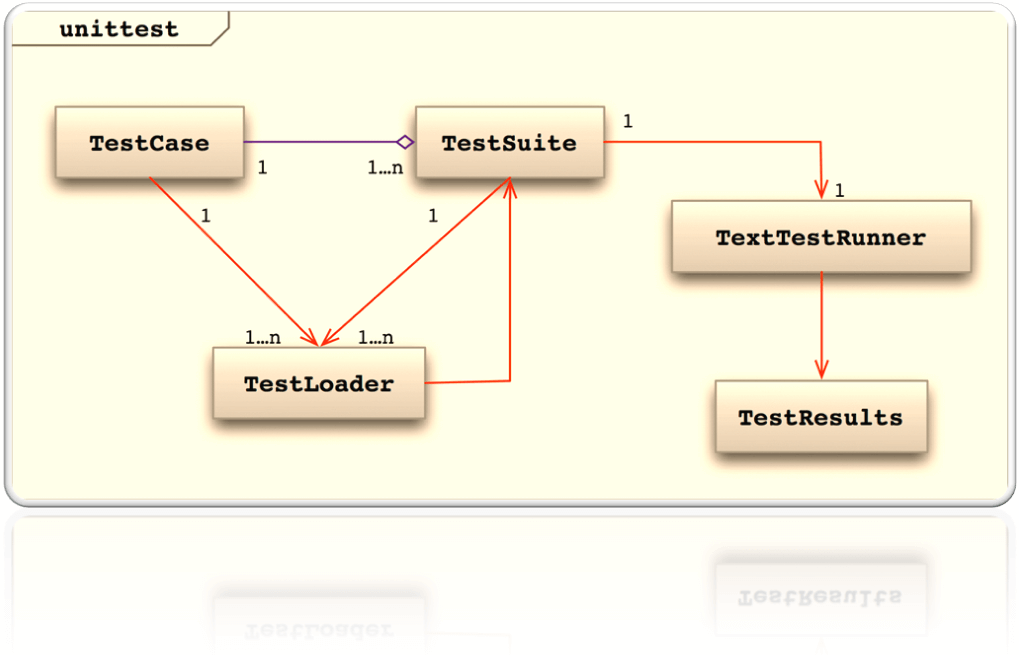
- TestCase: Encapsulates individual test methods and provides setup/teardown hooks.
- TestSuite: Groups multiple TestCase instances into a single executable suite.
- TestLoader: Discovers and loads tests from modules or files.
- TextTestRunner: Executes a TestSuite and prints a human‑readable report.
- TestResult: Collects the outcome of each test, including failures and errors.
Crafting a Test Case in PyUnit
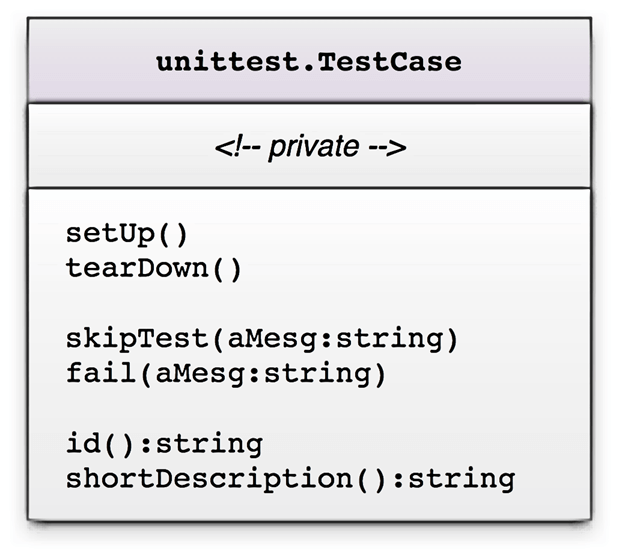
Every test case inherits from unittest.TestCase and typically implements the following methods:
class MyTest(unittest.TestCase):
    def setUp(self):
        # Prepare test fixtures
        pass

    def tearDown(self):
        # Clean up after tests
        pass

    def test_example(self):
        self.assertEqual(2 + 2, 4)
The setUp method runs before each test, while tearDown runs afterward. Additional control methods such as skipTest and fail allow early exit from a test under specific conditions. Utility methods like id and shortDescription help identify and document test cases.
Why Unit Testing Matters in Python Projects
- Detects bugs early, saving time and resources.
- Improves code quality and design clarity.
- Facilitates refactoring by ensuring existing functionality remains intact.
- Enables continuous integration and automated deployment pipelines.
- Builds confidence in the reliability of production code.
Python
- Coded UI Test Automation Framework: A Comprehensive Beginner’s Guide
- Mastering Python’s strip() Method: Comprehensive Guide & Practical Examples
- Mastering Python’s Yield: Generator vs Return – A Practical Guide
- Python Counter in collections – Efficient Counting, Updating, and Arithmetic Operations
- Creating ZIP Archives in Python: From Full Directory to Custom File Selection
- Python List index() – How to Find Element Positions with Practical Examples
- Master Python Regular Expressions: re.match(), re.search(), re.findall() – Practical Examples
- Python Calendar Module: Expert Guide with Code Examples
- Master Python Multithreading: GIL Explained with Practical Examples
- Hardness Testing Techniques: Rockwell & Brinell Methods