



Defeating Graffiti: Expert Strategies for Industrial Facility Owners
Graffiti can appear anywhere, but with the right paint skills and industrial coatings, facility managers can effectively counter this vandalism.
Understanding Graffiti: Cause & Impact
Graffiti—derived from Latin “graffito”—refers to any illicit drawing on public surfaces. While the practice has long existed, the hip‑hop era of the 1980s turned it into a cultural phenomenon. Today, taggers target not only city walls but also the exteriors of manufacturing plants, creating costly, unsightly damage that can deter customers and erode community pride.
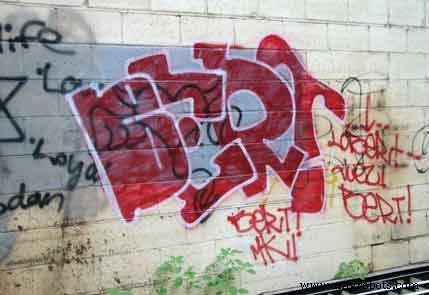
Exterior walls of manufacturing plants can become billboard targets for graffiti artists.
Municipalities now run anti‑graffiti programs, yet plant owners remain the front line of defense. Fortunately, a few time‑tested methods can help you maintain a clean, professional appearance.
Speed Is Essential
Removing fresh graffiti is far simpler than tackling cured paint. A quick response—ideally within hours—shows that the building is not a canvas and discourages repeat offenses. Depending on the substrate, you may start with a simple detergent and water rinse. For older, set‑in stains, pressure washing or sandblasting may be required, but these techniques must be carefully matched to the surface to avoid damage.
When chemical removal is necessary, consult your paint supplier for the safest and most effective products.
Barrier Coatings: The Best Prevention
Barrier coatings separate the substrate from graffiti, making clean‑up a breeze. They come in two families: sacrificial and non‑sacrificial.
Sacrificial Barrier Coatings
These clear, water‑based, VOC‑compliant products cover roughly 500 sq ft per gallon on painted walls. When graffiti is washed off, a portion of the coating is removed, after which a fresh coat restores the barrier. This approach is cost‑effective and safe for most surfaces—though a patch test is advisable.
Non‑Sacrificial Barrier Coatings
Three main types exist:
- Aliphatic urethane compounds – two‑part systems that seal the surface completely. They are durable but can impede breathability, so avoid them on substrates that must “breathe”.
- Rubber silicone‑based products – single‑component coatings ideal for wood and porous masonry. Brands like Dumond Anti‑Graffitiant offer high permeability, allowing moisture to escape while keeping graffiti away. Coverage can exceed 100 sq ft per gallon.
- Waterborne polyurethanes – increasingly popular, VOC‑compliant formulas that resist weathering and extend surface life. They work on a wide range of materials—brick, concrete, stucco, wood, plastic, copper, brass—and provide about 400 sq ft per gallon of coverage. Clear or tinted variants are available.
By applying an appropriate barrier coating, you protect your facility’s exterior, reduce maintenance costs, and preserve the property’s value.
For detailed guidance, consult an applications professional. Jim Ralston of Sherwin‑Williams can help you choose the right solution.
Visit www.sherwin.com to learn more.
Equipment Maintenance and Repair
- Optimal Frequency for Equipment Inspections: A Practical Guide
- How Much Does Your Equipment Really Cost to Operate?
- How to Convince Your Boss (and Their Boss) to Invest in a CMMS
- Effective Strategies to Prevent Chip Thinning in High Efficiency Milling
- Preventing Filiform Corrosion: Expert Strategies for Under-Coating Protection
- Step-by-Step Guide to Repairing Your Hydro Pump
- How to Adjust Hydraulic Speed for Peak Performance
- How to Effectively Test a Hydraulic Pump for Optimal Performance
- Step-by-Step Guide to Cleaning a Hydraulic Pump for Optimal Performance
- Essential Guide to Maintaining Your Hydraulic Pump: Tips, Troubleshooting & Longevity