Industrial manufacturing
Equipment Maintenance and Repair


Maintenance is a proven driver of equipment longevity, reduced downtime, and lower operating costs—yet many facilities delay it until a crisis hits. Common reasons include limited staff, tight schedules, disorganization, and a lack of understanding about the real value of proactive upkeep. When thes

Maintenance metrics, particularly failure metrics, are the most direct indicators of how well your maintenance strategy is delivering ROI. By accurately measuring these metrics, you gain actionable insights into equipment quality and the effectiveness of your upkeep plans. Two of the most critical
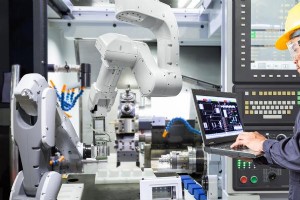
2020 Manufacturing Skills Gap: 10 Essential Technical Skills Employers Seek Manufacturing leaders know the skills gap is real. With almost 2.4 million positions expected to open by 2028, companies struggle to fill roles that demand new technical expertise. Key industry shifts include: Internet of T
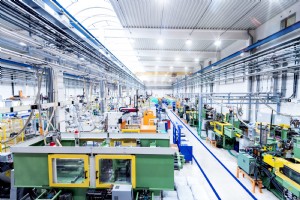
Operational performance and efficiency are top priorities for every manufacturer, yet day‑to‑day challenges often eclipse the broader strategic actions needed to achieve real gains. Investing time and resources in unlocking the full potential of your equipment, workforce, and processes delivers meas

COVID‑19, the disease caused by a novel coronavirus, has disrupted everyday life and the global economy. The manufacturing sector has felt these tremors deeply, with ripple effects across production schedules, demand curves, and supply‑chain logistics. In this article we examine the pandemic’s curr

Root Cause Failure Analysis (RCFA) is a strategic, data‑driven methodology that pinpoints the underlying causes of production issues. By addressing the root of a problem rather than its symptoms, manufacturers can implement lasting solutions, reduce downtime, and safeguard product quality. Understa
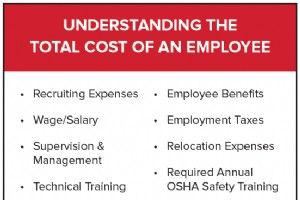
If you are having difficulties finding, training, and retaining maintenance talent, you are not alone. Manufacturers are facing regular shortages of skilled technical personnel. Many companies are turning to partners for technical talent, but some remain hesitant due to economic misperceptions. Whi

The COVID‑19 pandemic proved that a robust contingency plan is indispensable for every industry—and manufacturing is no exception. In this sector, machinery and assets are the lifeblood of production, making maintenance contingency planning a cornerstone of risk management. Below we explain why a m

Manufacturing calibration is the systematic comparison of measuring tools against NIST‑traceable reference equipment, followed by adjustments to ensure each device remains within its specified tolerance. By doing so, manufacturers maintain the accuracy, consistency, and repeatability that underpin e

Industrial maintenance is essential for keeping your production floor running smoothly. Skipping scheduled upkeep inevitably leads to costly unplanned downtime, compromising product quality and asset longevity. Yet many manufacturers view maintenance as a secondary task. The perception stems from co

As 2019 ended, we celebrated a decade of transformative tech. From the dawn of smartphones to today’s ubiquitous smart assistants, the pace of change has been relentless. Manufacturing is no exception. While the end products—cars, electronics, appliances—remain familiar, the way they’re built is ra
In the evolving landscape of Industry 4.0, “smart factory” is a buzzword that often hides a specific set of technologies and practices. This guide demystifies the term and walks you through a proven roadmap for turning your plant into a connected, data‑driven operation that delivers measurable gains
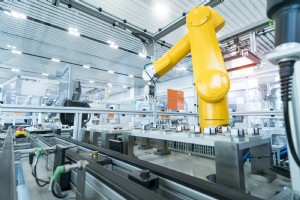
Improving productivity, efficiency, and effectiveness is a shared goal across manufacturing firms. Measuring success accurately is essential to achieving measurable gains. Overall Equipment Effectiveness (OEE) is a proven metric that captures uptime, output, and quality in a single number. In this a
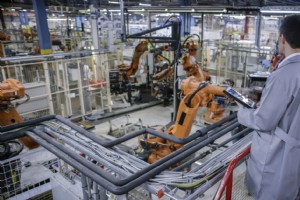
With the dawn of a new year—and the start of a new decade—its the ideal moment to set a course for 2020 to become your most productive production year yet. By concentrating on productivity, quality, and profitability, the following best‑practice strategies can elevate your operations to new heights

Implementing a predictive maintenance program can transform your facility operations. It delivers higher maintenance efficiency, fewer planned and unplanned outages, better equipment performance, and data‑driven decision making—all of which contribute to a measurable return on investment. Adopting
Outsourced Maintenance Services: A Modern Manufacturing Advantage Today’s manufacturing landscape is driven by relentless customer expectations, fierce global competition, rapid technology cycles, and a dearth of highly skilled technicians. Outsourced maintenance offers a strategic solution that let
ICML Unveils the Machinery Lubrication Engineer (MLE) Certification ICML now offers a management‑level credential that equips professionals with the skills to design, implement, and oversee world‑class lubrication programs. The MLE is built around ISO 55000 and refined through the input of 45 globa
The manufacturing skills gap is a longstanding challenge in the U.S., generating macro‑level economic concerns. Yet, the shortage of technically proficient talent also threatens businesses on a granular, day‑to‑day basis. Below are four critical ways an insufficient skill base can erode your operat
Standard Operating Processes: The Foundation of Manufacturing Excellence Implementing well‑defined standard operating procedures (SOPs) is essential for any manufacturing operation that seeks consistent quality, safety, and efficiency. By documenting each step, you create a repeatable framework that
Why Data‑Driven Manufacturing Matters Modern plants that harness real‑time data can outpace competitors by turning raw sensor readings into actionable insights. Ignoring this wealth of information means missing opportunities to improve margins, reduce downtime, and boost overall efficiency. Data‑dr
Equipment Maintenance and Repair