



Understanding Slag: Its Role, Uses, and Benefits in Industry
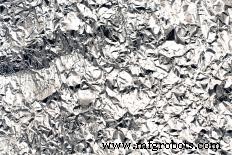
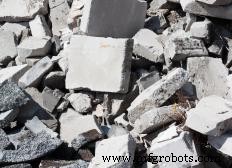
Slag is a byproduct of metal smelting, and hundreds of tons of it are produced every year all over the world in the process of refining metals and making alloys. Like other industrial byproducts, slag actually has many uses, and rarely goes to waste. It appears in concrete, aggregate road materials, as ballast, and is sometimes used as a component of phosphate fertilizer. In appearance, slag looks like a loose collection of aggregate, with lumps of varying sizes. It is also sometimes referred to as cinder, in a reference to its sometimes dark and crumbly appearance.
This substance is produced during the smelting process in several ways. Firstly, slag represents undesired impurities in the metals, which float to the top during the smelting process. Secondly, metals start to oxidize as they are smelted, and slag forms a protective crust of oxides on the top of the metal being smelted, protecting the liquid metal underneath. When the metal is smelted to satisfaction, the slag is skimmed from the top and disposed of in a slag heap to age. Aging material is an important part of the process, as it needs to be exposed to the weather and allowed to break down slightly before it can be used.
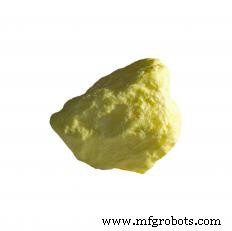
Common components of slag include the oxides of silicon, aluminum, and magnesium, as well as sulfur, which is always present. It also contains phosphorous, calcium, ash, remnants of flux materials such as limestone, and remainders of chemical reactions between the metal and the furnace lining. Other compounds found in this material depend on the type of smelting. Non-ferrous smelting, used to refine copper, lead, and similar metals, produces highly ferrous slag, as iron is an undesired element. Ferrous smelting, such as that used to produce steel, creates non ferrous slag, as all the iron is used in the smelting process.
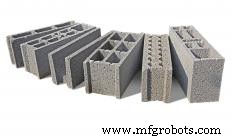
After slag is allowed to age, it can be sold for use in other industrial processes. One of the most common is as a constituent of concrete and cement. Slag works very well as a loose aggregate and can be ground to produce a more even grain. It is also mixed with materials for making roadways, used as ballast on trains and large trucks, and is also applied as phosphate fertilizer. When used as fertilizer, the slag is ground very fine before being spread, and it slowly time releases nutrients because it takes a long time to break down.
Industrial equipment
- Diamond Turning: Precision Machining for Advanced Optics and Beyond
- Ultrasonic Machining Explained: Process, Benefits, and Limitations
- Rotational Molding: The Complete Guide to Creating Hollow Plastic Parts
- Understanding the Oxygen (O2) Sensor: Role, Placement, and Failure Signs
- Understanding AS9100: The Aerospace Quality Management Standard
- What Is A2 Steel? A Versatile, Cost‑Effective Tool‑Steel Grade for Industrial and Woodworking Applications
- Understanding Metal Casting: Process, Benefits, and Applications
- Demystifying 3D Printing: A Clear Guide for Innovators
- Understanding Slag: Its Role, Uses, and Benefits in Industry
- Decoding 'N' in Pump Calculations: Its Role and Significance