



What You Need to Know About Flexible Magnets – A Practical Guide
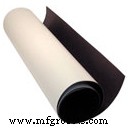
When most people think of magnets, they picture rigid bars or metal plates. Flexible magnets, however, break that stereotype by combining magnetic power with bendability. They still generate an invisible magnetic field, but their construction allows them to bend, roll, and adapt to irregular surfaces without cracking.
What Is a Flexible Magnet?
A flexible magnet is any magnetic material engineered to flex without breaking. Unlike conventional ferromagnetic rods, these magnets can bend and even roll up. They’re typically made from a flexible substrate—often vinyl or polyester—coated with ferromagnetic powder such as iron, cobalt, or neodymium. The powder is bound to the substrate with a resin or adhesive, creating a thin, pliable magnetic layer that retains full magnetic strength.
Types of Flexible Magnets
Flexible magnets come in several formats to suit different applications:
- Sheets: Large, flat pieces used on vehicles, metal cabinets, doors, and building facades. They may feature an adhesive backing or be laminated with PVC for durability.
- Strips: Long, narrow ribbons that can be sold in rolls. These tape‑like magnets are ideal for wrapping around cylindrical or irregularly shaped components.
Benefits of Using Flexible Magnets
Flexibility opens up a range of practical advantages:
- Versatility: Easily wrap around non‑flat surfaces, making them ideal for machinery, tooling, and industrial fixtures.
- Customizable Size: Cut to length or shape with scissors, a utility knife, or a cutting machine—no need to buy a custom order.
- Drill‑Ready: You can drill holes into a flexible magnet without causing cracks, allowing for mounting hardware or sensor integration.
- Reusability: Many flexible magnets are recyclable, aligning with sustainability goals.
Industrial equipment
- Spring‑Energized Seals: A Practical Guide for Reliable High‑Pressure Applications
- Compression Springs Explained: A Beginner’s Guide to Mechanics and Applications
- A Beginner’s Guide to Double‑Ended Screws: Design, Use, and Installation
- What Flexible Magnets Are Made Of – Composition and Construction
- Yoke Ends 101: How to Select, Secure, and Use Them Safely
- Spring Plungers Explained: Function, Materials, and Installation
- A Complete Guide to Self‑Closing Hinges: How They Work & Where to Use Them
- Eye Bolts Explained: A Comprehensive Guide for Beginners
- Extension Springs 101: A Practical Guide for Beginners
- Piano Hinges Explained: Types, Applications, and Benefits for Professionals