



Hex Cap Screws: Definition, Applications, and Advantages
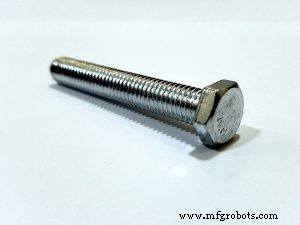
Not every fastener relies on a recessed drive. Hex cap screws, featuring a solid, six‑sided head, are a staple in manufacturing and construction where reliable torque and durability are essential. This guide explains their structure, how they compare to bolts, and the key benefits that make them a preferred choice for professionals.
The Basics of Hex Cap Screws
A hex cap screw is a threaded fastener whose head is a true hexagon, rather than the common circular head with a recess. The six evenly spaced sides allow a socket or ratchet to grip the entire surface, providing a firm, uniform contact point for torque transfer.
Hex Cap Screws vs. Hex Cap Bolts
Although the terms "hex cap screw" and "hex cap bolt" are frequently used interchangeably, they denote subtle differences. Bolts are typically paired with nuts and rely on pre‑existing threading in the material they secure. Screws, on the other hand, are often self‑tapping or inserted into drilled holes, creating their own thread as they are driven in. In practice, however, many field professionals use the two terms without distinction, focusing on the hexagonal head as the primary identifier.
Benefits of Hex Cap Screws
Higher Torque Capacity
Because the socket wrench engages all six sides of the head, you can apply more torque than with a standard screwdriver. This is particularly valuable when fastening to hard or high‑strength materials.
Reduced Stripping Risk
Traditional screw heads can strip when a driver bit engages a shallow recess. The even distribution of force across the hex sides of a hex cap screw significantly lowers the likelihood of head damage during installation or removal.
Precision and Consistency
Hex cap screws offer a predictable engagement surface that enhances repeatability in automated or manual assembly processes, improving overall quality control.
Conclusion
Hex cap screws are defined by their solid, six‑sided head and lack of a recessed drive. They deliver superior torque, lower stripping risk, and consistent performance in demanding applications.
See Monroe’s Hex Head Screws
Industrial equipment
- Structural Screws: The Heavy‑Duty Fasteners Every Builder Trusts
- Hex Lag Screws Explained: Design, Uses, and Benefits for Construction & Woodworking
- What Are Machine Screws? A Comprehensive Guide
- Sheet Metal Screws Explained: Types, Features, and Proper Use
- Understanding Countersunk Screws: Design, Applications, and Benefits
- What Is a Hammer‑Head Screw? Function, Features, and Key Applications
- Cap Screws Explained: Types, Applications, and How to Choose the Right One
- Understanding Screw Jacks: Types, Uses, and How They Lift Vehicles
- Understanding Screw Joints: Definition, Uses, and Advantages
- Understanding Thread Angle: Key to Optimal Screw Performance