



OmniVision Unveils Ultra‑Miniature 400 × 400‑Pixel CMOS Sensor for Advanced Endoscopy
OmniVision today introduced its most compact medical CMOS image sensor, paired with a wafer‑level camera module, to extend the reach of endoscopic procedures into the tiniest anatomical structures.
The OH0TA OVMed sensor packs into a 0.55 mm × 0.55 mm envelope, boasts 1.0‑µm pixels on a 1/31″ format, and delivers 400 × 400 RGB resolution—four times that of its predecessor—at 30 fps. It also cuts power use by 20 %, operating at just 20 mW.
Designers can now embed ultra‑compact imaging into single‑use and reusable endoscopes, catheters, and guidewires, achieving outer diameters of only 1–2 mm. The sensor’s diminutive footprint also enables OEMs to build larger‑diameter scopes with expanded working channels.
Speaking to embedded.com, Tehzeeb Gunja, director of medical marketing at OmniVision, said, “Existing small endoscopes use fiber, and we’re using CMOS instead of fiber, which enables lower cost and higher resolution. We already had a small sensor, but customers were looking for that 400×400 resolution in a smaller size and lower cost.” He added, “CMOS at the tip of the endoscope is becoming more of a paradigm.”
Previously, procedures in the body’s smallest anatomical regions were either performed blindly or with subpar images from fiber‑optic scopes, because conventional cameras were too large and reusable endoscopes proved cost‑ineffective.
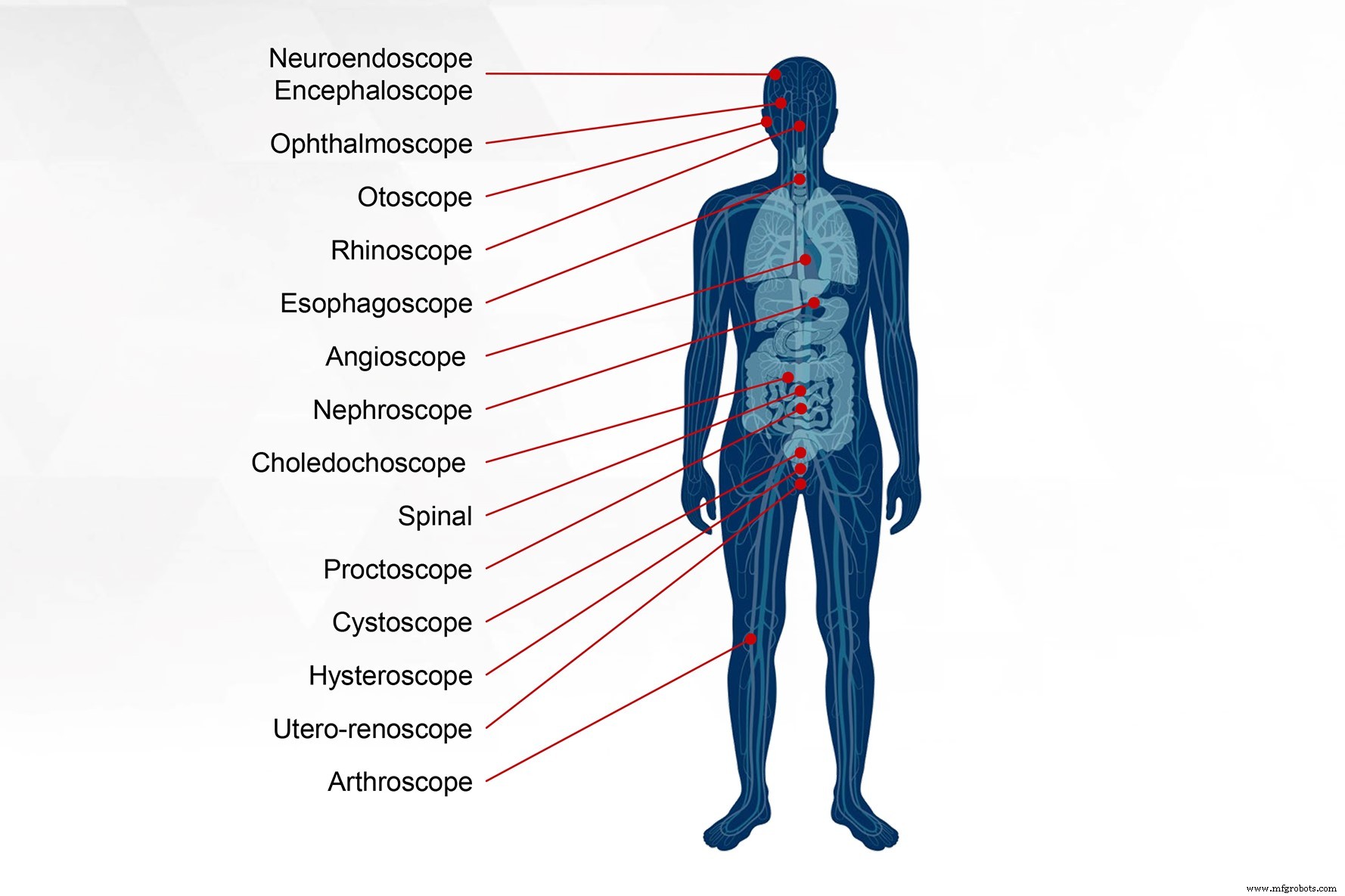
With its higher resolution, the OH0TA captures vivid color images from the body’s most confined spaces, expanding the reach of procedures in neurology, ophthalmology, ENT, cardiology, orthopedics, urology, gynecology, arthroscopy, dentistry, and veterinary medicine. The lower power draw also diminishes tip‑camera heat, improving patient comfort and prolonging procedure times, while delivering cleaner, sharper images.
The OH0TA leverages OmniVision’s PureCel Plus‑S stacked‑die process, a cutting‑edge pixel architecture that delivers superior color fidelity and low‑light sensitivity of 3,600 mV / lux‑sec. Its high signal‑to‑noise ratio of 37.5 dB produces crisper imagery, while the technology enhances full‑well capacity, eliminates blooming, and reduces power consumption.
Additional highlights are a 15.5° chief‑ray angle—allowing high‑field‑of‑view, short‑focus lenses—and support for a 4‑wire interface plus raw analog output, both capable of clean signal transmission over cables up to 4 m. The sensor maintains backward compatibility by integrating with OmniVision’s OV426 A/D bridge chip, and it is autoclavable for reusable endoscope sterilization.
Minimally invasive surgery is expanding as it offers higher success rates and faster recovery. Yet, in the narrowest anatomical corridors—especially in neurology and cardiac interventions—existing sensors lacked the blend of ultra‑small size and high resolution. The OH0TA addresses this gap, becoming the first sensor to deliver both, thereby elevating endoscope performance beyond fiber‑optic alternatives that suffer limited resolution, poor image quality, and high cost.
Wafer‑level camera modules for single‑use endoscopy
In tandem with the sensors, OmniVision unveiled the OVMed OCHTA camera module built on its CameraCubeChip wafer‑level platform. The module measures 0.65 mm × 0.65 mm, matching the sensor’s compactness while housing the high‑resolution OH0TA, signal processing, and integrated optics—all in one streamlined package.
OCHTA modules empower OEMs to produce single‑use endoscopes, catheters, and guidewires featuring 1–2 mm optical diameters and superior resolution, mitigating risks of cross‑contamination and the high maintenance costs associated with reusable systems.
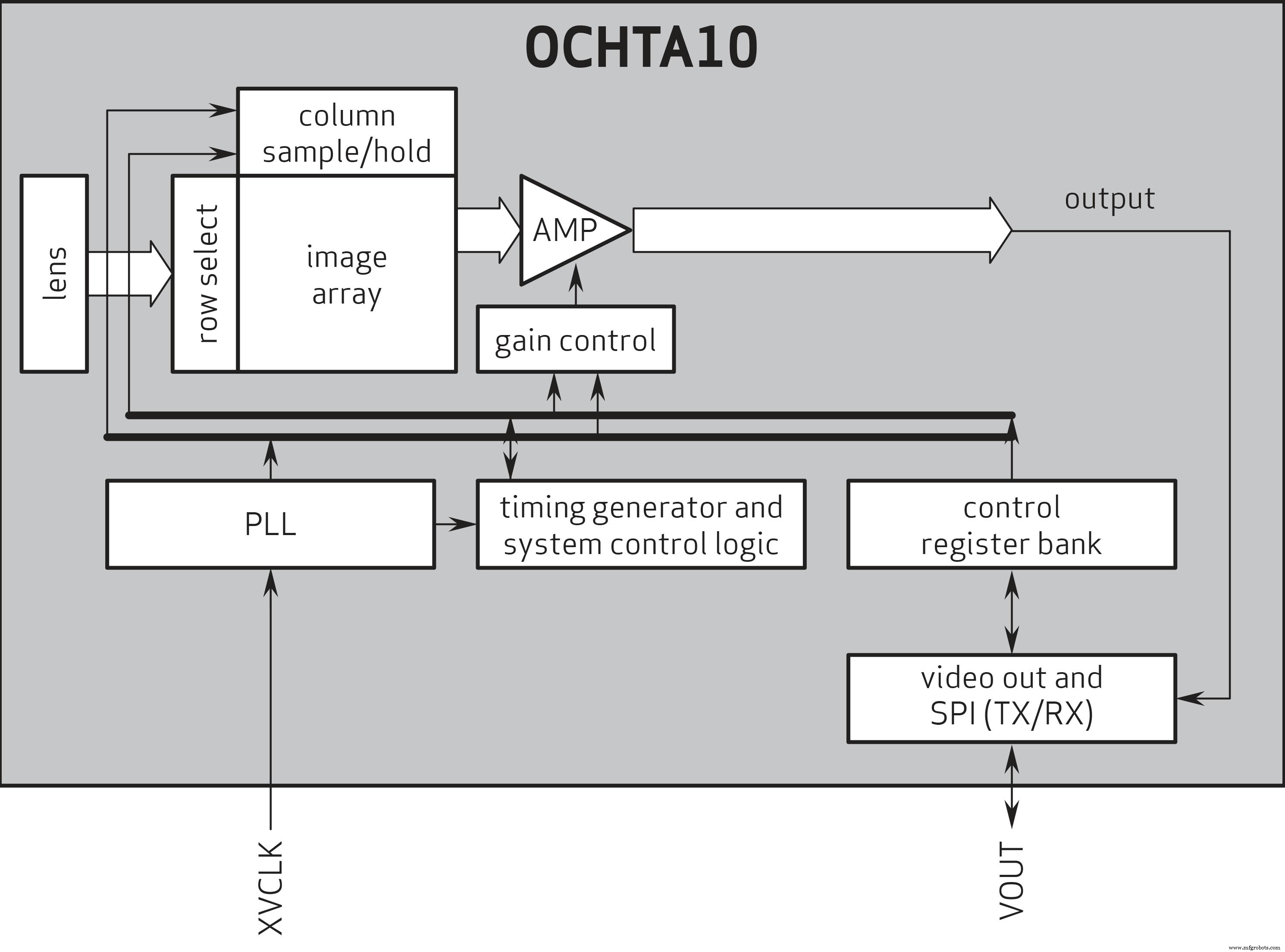
OmniVision remains the sole provider of ultra‑compact chip‑on‑tip cameras featuring backside illumination (BSI), delivering outstanding image quality and low‑light sensitivity that reduces LED heat and enhances overall performance. BSI also supports advanced lens technologies unavailable to front‑side illuminated competitors, boosting patient comfort and speeding recovery. Coupled with the cost‑effective CameraCubeChip wafer‑level packaging, the OCHTA enables mass production of high‑resolution, single‑use imaging devices.
The OCHTA’s integrated design—combining sensor, signal processor, and wafer‑level optics—simplifies supply chains, boosts reliability, and accelerates development. Unlike conventional cameras, every CameraCubeChip module is reflowable, enabling simultaneous soldering with other components on a PCB via automated surface‑mount assembly. This process elevates quality and cuts assembly costs.
The analyst’s view
Yole Développement’s research highlights how advanced CMOS node and stacked‑die technology now deliver the high resolution and compactness demanded by modern endoscopy. Analyst Chenmeijing Liang notes that these cutting‑edge CIS solutions empower physicians with sharper images, better contrast, and increased patient comfort—enabling minimally invasive diagnostics across neurology, ENT, and pediatric specialties without compromising resolution. Yole projects the market for single‑use CMOS camera modules to reach US$241 million by the end of 2025, a growth driven by post‑COVID‑19 infection‑control regulations that prioritize cross‑contamination avoidance in procedures such as bronchoscopies, ureteroscopies, and pediatric imaging. The key industry demands are extreme miniaturization, superior image quality, high contrast at low power, and minimal heat generation.
Embedded
- RFID‑Based Home Security: Low‑Cost, Battery‑Free Monitoring Solutions
- New AMS Image Sensors Deliver High-Resolution, High-Speed Industrial Vision
- ams Introduces AS7341: Compact, Multi‑Channel Spectral Sensor for Precise Color Analysis in Mobile Devices
- Sensirion Launches Patient‑Side Flow Sensor for Precise Ventilator Monitoring
- Tiny 3D Image Sensor Uses Time‑of‑Flight Technology
- EnSilica Unveils eSi‑MediSense: First Single‑Chip Medical Sensor with Integrated ML Accelerator
- OmniVision OH02A1S: One Sensor, Dual Imaging – Shrinking Endoscope Footprint
- Advanced TOMOPLEX Sensor Film for Real-Time Aerospace Monitoring
- Graphite‑Based Sensor Boosts Sensitivity & Flexibility for Wearable Medical Devices
- Choosing the Right Motor Sensor: A Guide to Accurate Feedback